Shrink film packaging looks simple: wrap the product, apply heat, and the film tightens. Yet two rolls that look identical can behave very differently in the tunnel. One gives a tight, glossy pack; the other sags, splits at a corner, or turns hazy. Performance comes from three layers working together: the resin, the way the film is oriented, and the line that applies the heat. Most buying guides only discuss the last two.
How Shrink Film Works and What to Measure
The film is stretched while warm and cooled quickly, which locks aligned molecules in place. When heat is applied later, those molecules relax and the film pulls back, as shrink wrap references describe. Two numbers decide the result: free shrink, meaning how far the film recovers, and shrink tension, meaning how hard it pulls while doing so.
Expectations matter too. Shrink-grade polyethylene typically offers a shrink rate of about 20% and lower clarity than polyolefin film, according to the complete guide to shrink film. PE rarely wins on optics; it wins on gauge range, load strength and cost.
Resin Properties behind the Film
Melt index is the first lever. In a LDPE shrink film patent, a lower melt index, below roughly 0.8 g/10 min, is linked to higher shrink tension, and long-chain branching supplies the melt strength that keeps the bubble stable. Density in the 0.923 to 0.935 g/cm³ range adds stiffness, and LDPE can be blended with LLDPE across a wide ratio to trade shrink and optics against toughness.
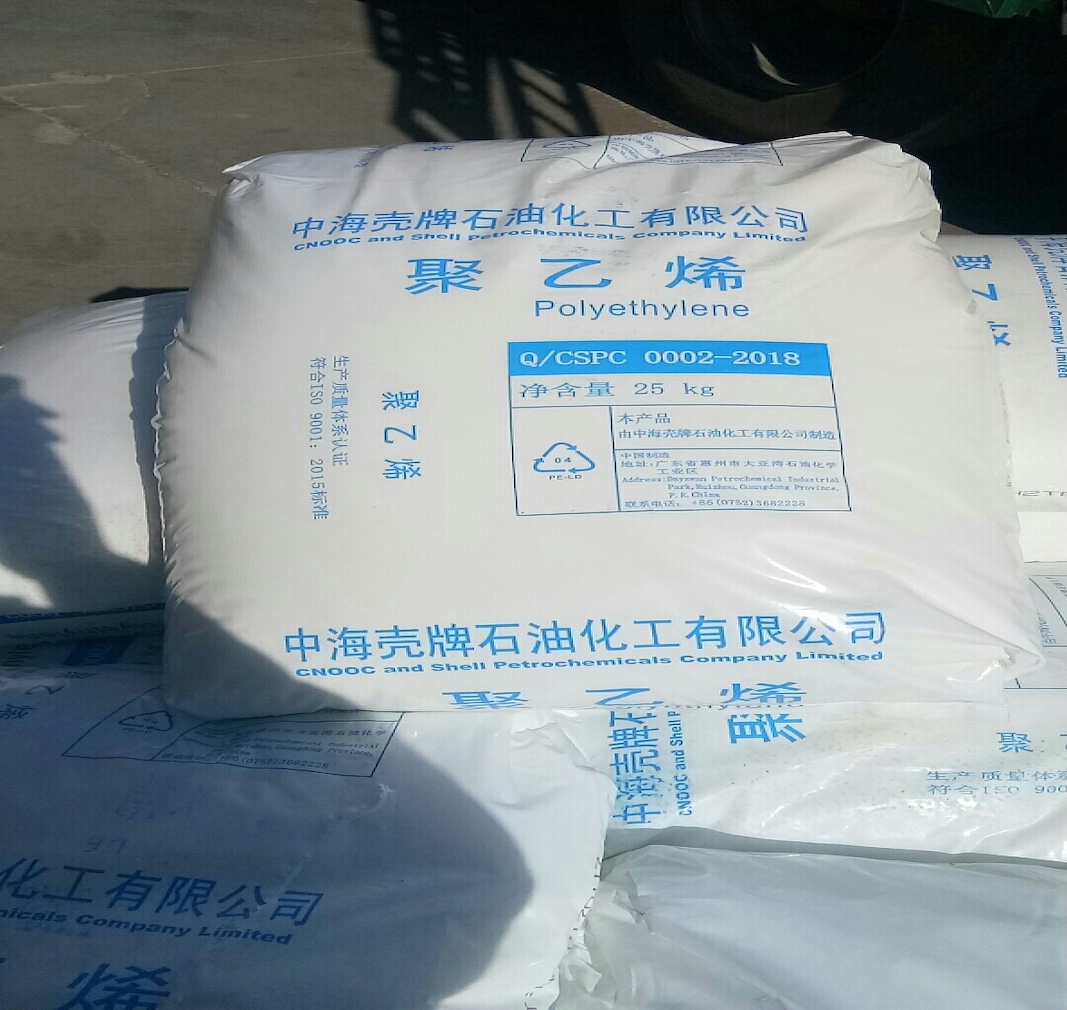
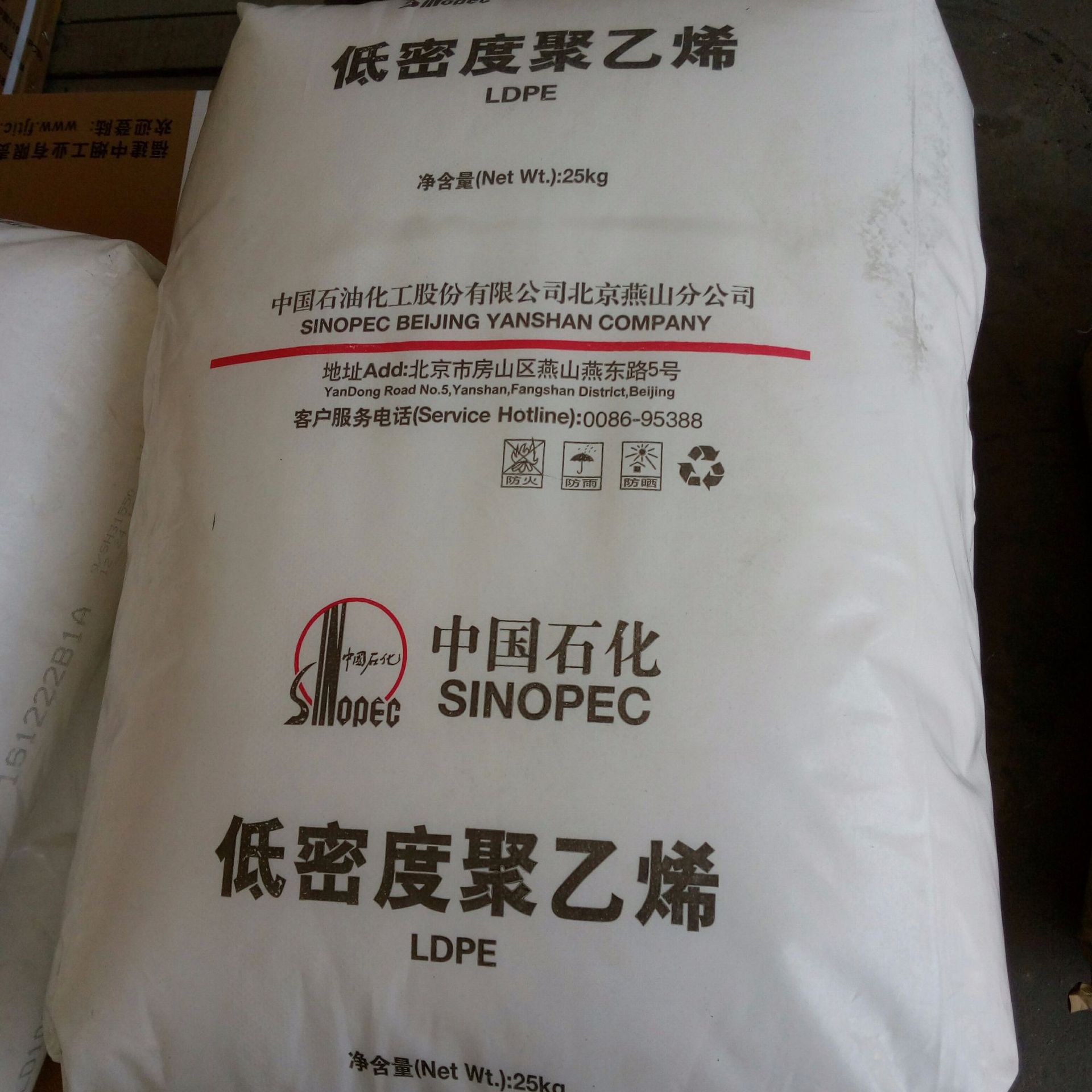
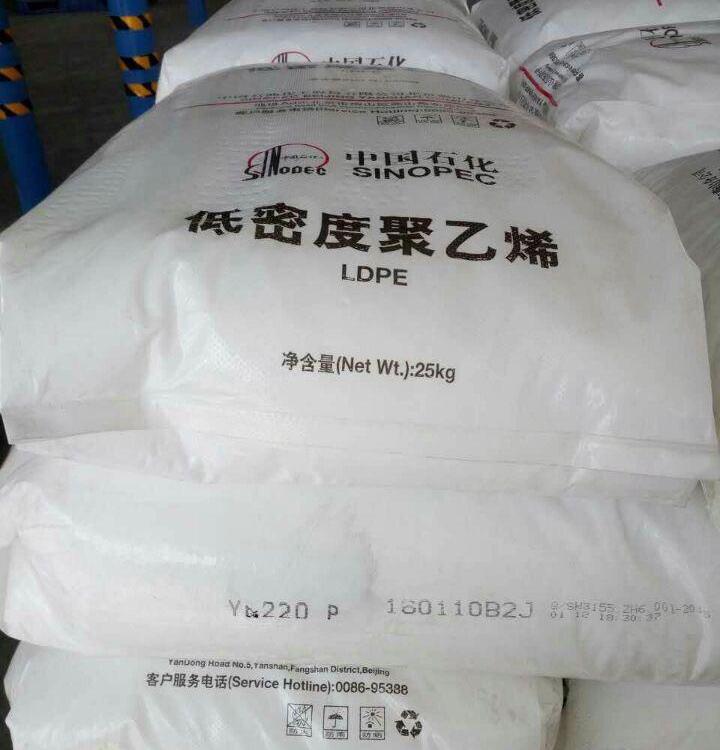
This is where a grade like Yanshan LD100AC needs honest positioning. Supplier data lists it at about 0.923 g/cm³ with a melt flow rate of 2.0 g/10 min, and names shrink wrap among its uses. A 2.0 melt flow rate means easy extrusion and good clarity, which suits lightweight shrink film and blends. For heavy bundles that need maximum pull, a lower-melt-index LDPE is usually the stronger base, with LD100AC used as the processing and optics component.
Processing Decides How Much Resin Potential You Keep
A good resin can still produce weak shrink. The blow-up ratio and draw-down ratio set how much orientation is built into each direction, so an unbalanced film shrinks unevenly and distorts the pack. Cooling is just as important: if the bubble stays hot too long, molecules relax before they freeze, and the film loses shrink force that the resin could have delivered.
At Chengnuo, when buyers ask us to shortlist an LDPE grade, we ask about the extrusion line and target pack before we talk melt index. A grade that runs beautifully on one line can underperform on another, so the question is how the film will be made and used, not just which datasheet number is highest.
A simple diagnosis helps when problems appear. Loose, sagging packs usually point to low shrink tension or too little tunnel heat. Hazy film often means excess heat or an overly hot melt during extrusion. Splits at sharp corners suggest the gauge is too thin or the blend needs more LLDPE for puncture resistance. Changing one variable at a time, and recording each trial, is faster than switching resins and hoping for a different result.
Storage belongs here as well. The same industrial guide warns that heat above about 100°F can cause premature shrinking, so rolls kept near dock doors or warm walls may arrive already compromised.
Line Variables and a Quick Reference
On the packaging line, tunnel temperature, dwell time and airflow decide the final fit. Film is most often used as an overwrap for cartons, pallet loads and cans, according to shrink film applications, and each shape needs its own settings. Too little heat leaves loose film; too much heat burns through or hazes it. Trapped air also needs a way out, which is why some films are pre-perforated. The table links each factor to a practical lever.
| Factor | What It Affects | Practical Lever |
|---|---|---|
| Melt index | Melt strength, shrink tension | Lower for heavy bundles; around 2.0 for light-duty film |
| Density and LLDPE blend | Stiffness, clarity, puncture resistance | Add LLDPE for toughness, keep LDPE for optics |
| Blow-up and draw-down ratio | Orientation balance in both directions | Match ratios to the pack shape |
| Cooling | Orientation frozen into the film | Stable melt temperature and consistent cooling |
| Tunnel temperature and dwell | Fit, haze, burn-through | Trial several settings per product |
| Storage | Premature shrinkage | Keep rolls cool and away from heat |
Material comparisons also depend on the film form. A short overview from shrink film packaging notes that LDPE and LLDPE are less clear than polyolefin film, so clarity targets should be agreed before a resin is chosen.
Conclusion
Shrink film packaging performance is a chain: resin melt index and density, orientation during blowing, cooling, storage and tunnel settings. A weak link anywhere shows up as sagging, haze or splits. For light-duty film and blends, Yanshan LD100AC is a practical LDPE option, while heavier bundles may call for a lower melt index. Define the pack, the line and the clarity target first, then choose the grade.
References
- Wikipedia – Shrink wrap
- Industrial Packaging – The Complete Guide to Shrink Film
- Google Patents – US9068032B2, LDPE for Use as a Blend Component in Shrinkage Film Applications
- Susheng Polymer – Yanshan PE LD100 AC
- LyondellBasell – Shrink Film
- Racklify – Shrink Film: What It Is and How It Works