PP Injection Molding Resin Supplier for Manufacturers: Evaluating Daqing Refining 500P
Compare suppliers on price alone, and a cheaper lot can arrive with a different flow behavior. Then molding stalls, scrap climbs, and the savings disappear.
Manufacturers should look for a PP injection molding resin supplier that confirms the official grade and producer, provides a technical data sheet and lot quality documents, states packaging and delivery terms, and answers technical questions quickly. Price comes after these checks.
Below, we use Daqing Refining 500P as a worked example, moving from supplier expectations to specifications and purchase checks, so you can judge any grade on evidence rather than listing headlines.
What Should Manufacturers Expect from a PP Injection Molding Resin Supplier?
A supplier who only quotes a price leaves every technical risk with you. The gap shows up in the mold, not on the invoice.
Expect confirmation of the official grade and manufacturer, a technical data sheet, certificate of analysis, a product that meets your purchasing requirements, clear packaging, minimum order and lead time, and timely answers to technical questions about processing and application fit.
Documents before discussion
In my sourcing work, the clearest signal of a reliable supplier is how fast it produces the original data sheet and a recent lot certificate. A supplier who hesitates on documents will hesitate on problems later. Ask for the producer's name, the exact designation, and the test method behind each figure before negotiating anything. Keep the answers in one file, because the same record helps when a later lot is questioned and you need to show what was agreed.
Questions that reveal reliability
Ask who tests each lot, how long retained samples are kept, and who answers a processing question when a trial misbehaves. Those answers describe the service you will actually receive, which a quote never does. A knowledgeable resin supplier page explains how MFR ranges map to part types and which food-contact certificates apply, so use that level of detail as your baseline.
How Can Buyers Evaluate Daqing Refining 500P for Injection Molding?
Grade codes travel between producers and traders, and a name that looks familiar may not describe the resin you expect.
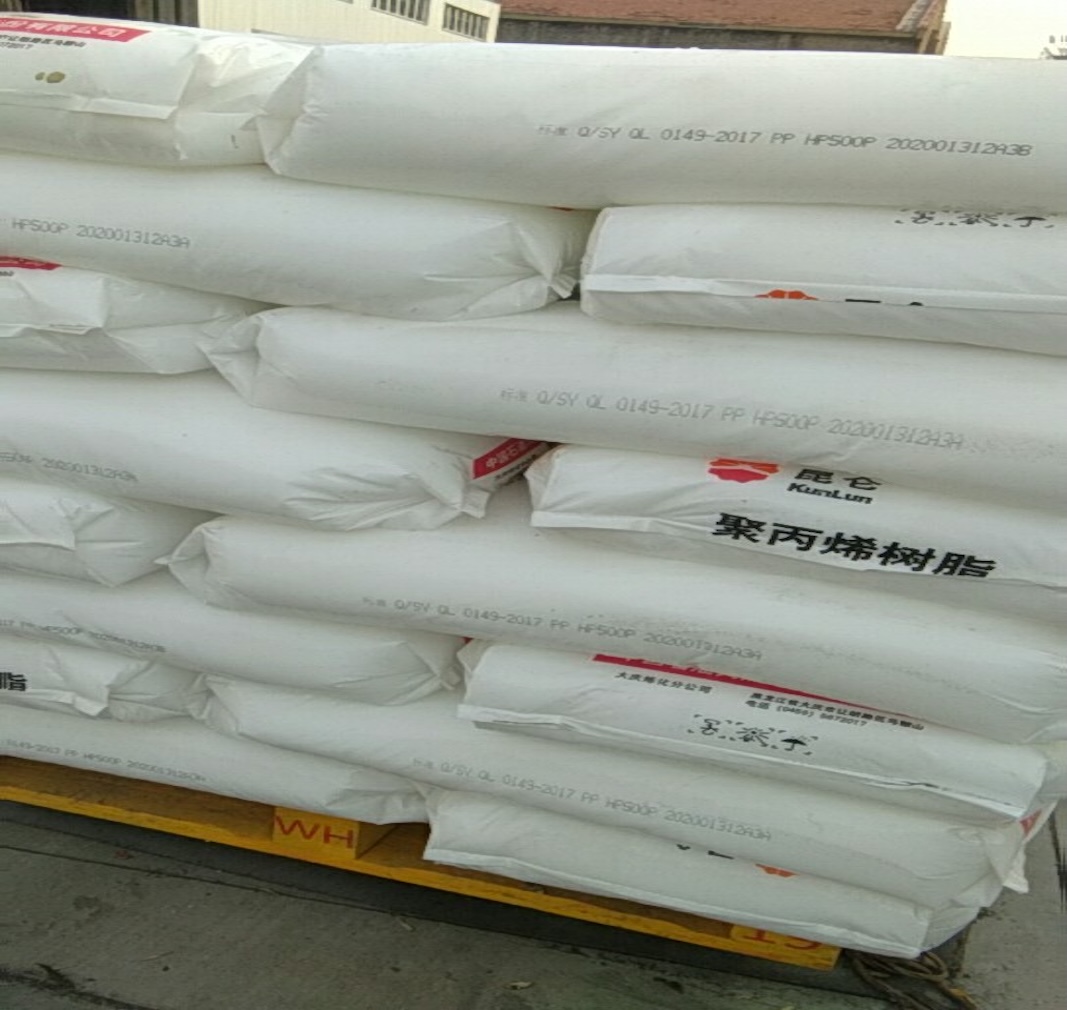
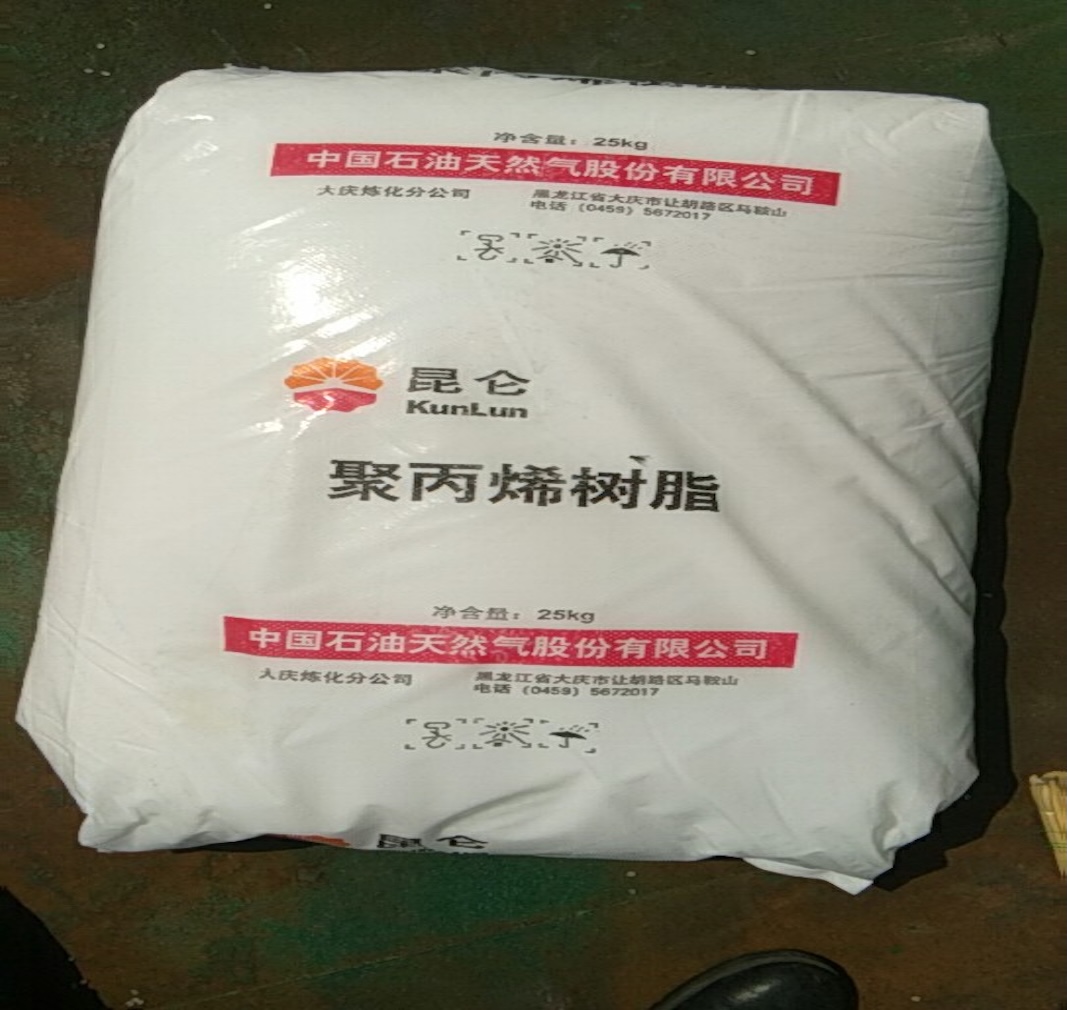
Start by confirming the manufacturer's official designation for 500P, since it is commonly listed as HP500P. Then collect the manufacturer's data on polymer type, melt flow rate, mechanical properties, and recommended processing before judging fit for any molded part.
One code, several sources
The code HP500P also appears on a Jampilen datasheet from a different producer, described as a homopolymer for thin-walled articles and closures. Similar labels do not guarantee identical resins, so tie every number to the named manufacturer. At Chengnuo, we match each listing to its source document before it enters a comparison.
Do not judge by MFR alone
Supplier listings for HP500P quote melt flow rates around 17 to 18 g/10 min, and a figure that varies between sources needs the official sheet to settle it. MFR also cannot tell you whether the grade suits your part, because stiffness, impact, and wall thickness decide that together. A medium-to-high flow homopolymer can fill thin walls easily, yet the same flow can trade away impact margin on parts that are dropped or stacked, so the part, not the number, sets the verdict.
Which PP Resin Specifications Matter Most in Production?
Specs look interchangeable until two lots behave differently on the same machine. The numbers only help if you read their conditions.
Focus on melt flow rate with its test conditions, tensile properties, flexural modulus, notched impact strength, and batch consistency. Check units and test versions, because a modulus quoted in different units or methods can mislead a comparison.
Reading the table in production terms
A polypropylene selection guide notes that raising MFR in homopolymers lifts stiffness but lowers impact resistance, and that high-speed, thin-wall parts need higher MFR. For PP, ASTM D1238 defines MFR measurement, so confirm the load and temperature behind each value.
| Specification | What manufacturers need to confirm |
|---|---|
| Melt flow rate (MFR) | Test conditions, filling behavior, and processing window |
| Tensile properties | Strength of the molded part under load |
| Flexural modulus | Stiffness and structural design needs, with correct units |
| Notched impact strength | Impact requirements and service environment |
| Batch consistency | Stability of specifications and quality across lots |
Batch consistency deserves the most attention in this table, because it is the row a single datasheet cannot prove. I ask suppliers for certificates from several recent lots, then compare the spread in MFR. A narrow spread suggests stable production; a wide one predicts shot-weight and cycle-time drift on your machines.
How Should Manufacturers Compare PP Resin Suppliers Before Bulk Orders?
Bulk orders magnify small mismatches. A sample that ran well does not protect a container-load that behaves differently.
Compare suppliers on technical specifications against your target part, sample testing feasibility, batch quality documents, quantity, packaging, shipping, and delivery terms, then weigh price against scrap risk, downtime, and supply continuity rather than the quote alone.
A simple supplier checklist
- Do the specifications match the target product requirements?
- Can the supplier provide samples and support trials?
- Are quality documents available for each batch?
- Are quantity, packaging, transport, and delivery terms explicit?
- What is the quality risk, downtime risk, and continuity risk behind the price?
Total cost, not unit price
A lower quote can cost more once drying issues, short shots, or color variation stop a line. Dry the resin properly before trials, because guidance on PP pellets for injection molding points to moisture below 0.05% and melt temperatures of roughly 220 to 270°C. Then test each supplier's lot at the same MFR conditions, so your own data, not the paperwork, decides. Record shot weight, fill pressure, and cycle time for each lot, and keep a retained sample so any later complaint can be traced.
Where Can Manufacturers Source Daqing Refining 500P PP Resin?
Finding a listing is easy. Finding one that confirms identity, documents, and supply terms is what protects your production.
Source 500P from suppliers who confirm the product identity, available technical documents, packaging, and supply terms before you order. Check these points in writing, and confirm availability directly instead of relying on listing claims.
Confirm before you commit
Before ordering, confirm the product identity, the technical data you can obtain, the packaging format, and the supply conditions that apply to your volume. Treat statements such as "in stock" as claims to verify with the supplier, not facts to plan around. To review 500P specifications or ask about supply and quotations, visit the Chengnuo Daqing Refining 500P product page, and bring your part requirements so the conversation starts from your application. A supplier who asks about wall thickness, tooling, and target volume before quoting is usually one worth keeping.
Conclusion
Choose a PP injection molding resin supplier on verified documents, matching specifications, and trial results. Treat Daqing Refining 500P as a grade to confirm with the manufacturer's data, not to assume.
References
UL Prospector – Jampilen HP500P Datasheet
Gys.cn – Daqing Petrochemical HP500P Supplier Listing
LyondellBasell – Tech Topic: Material Selection, Polypropylene
ASTM D1238 – Melt Flow Rates of Thermoplastics by Extrusion Plastometer
Europlas – Polypropylene Pellets for Injection Molding
Chemate Group – PP Injection Molding Resin