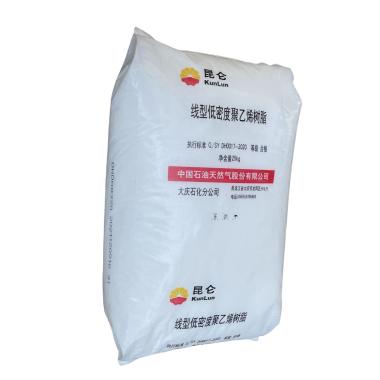
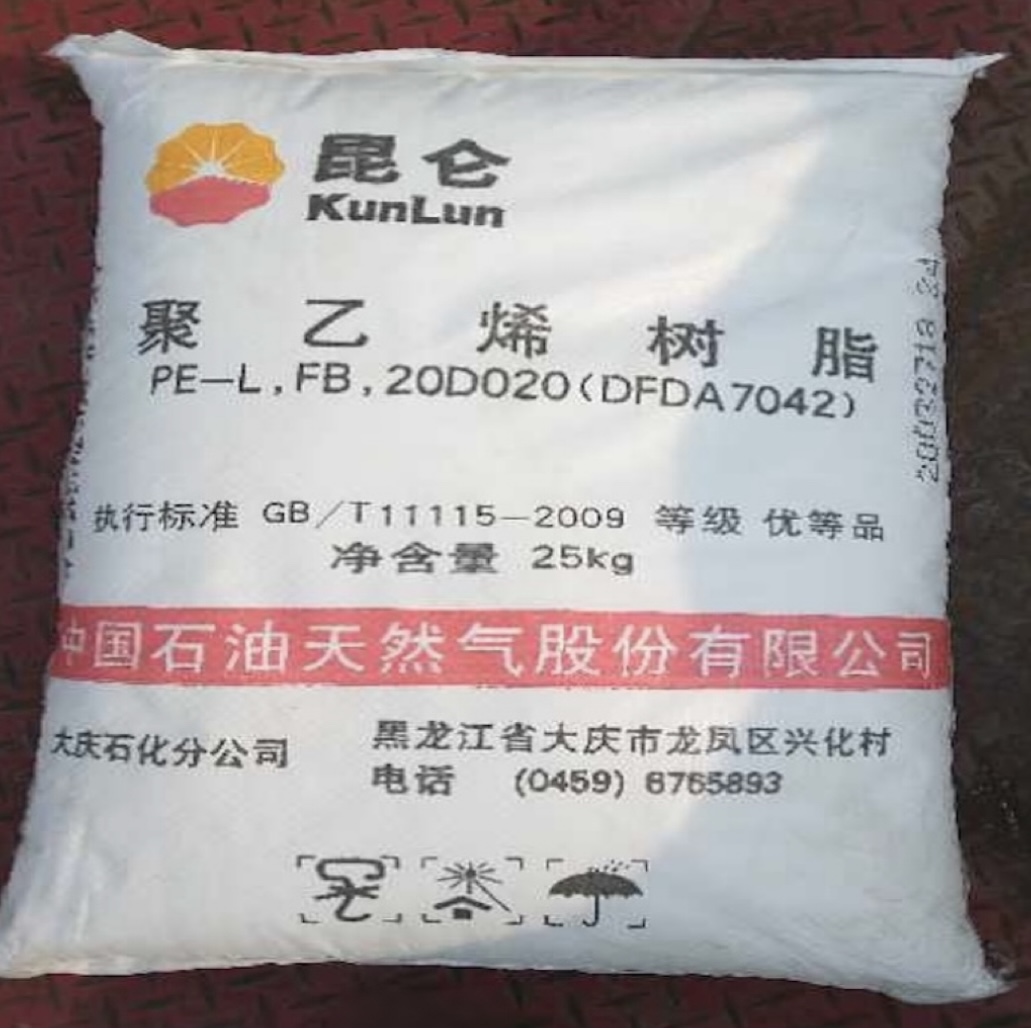
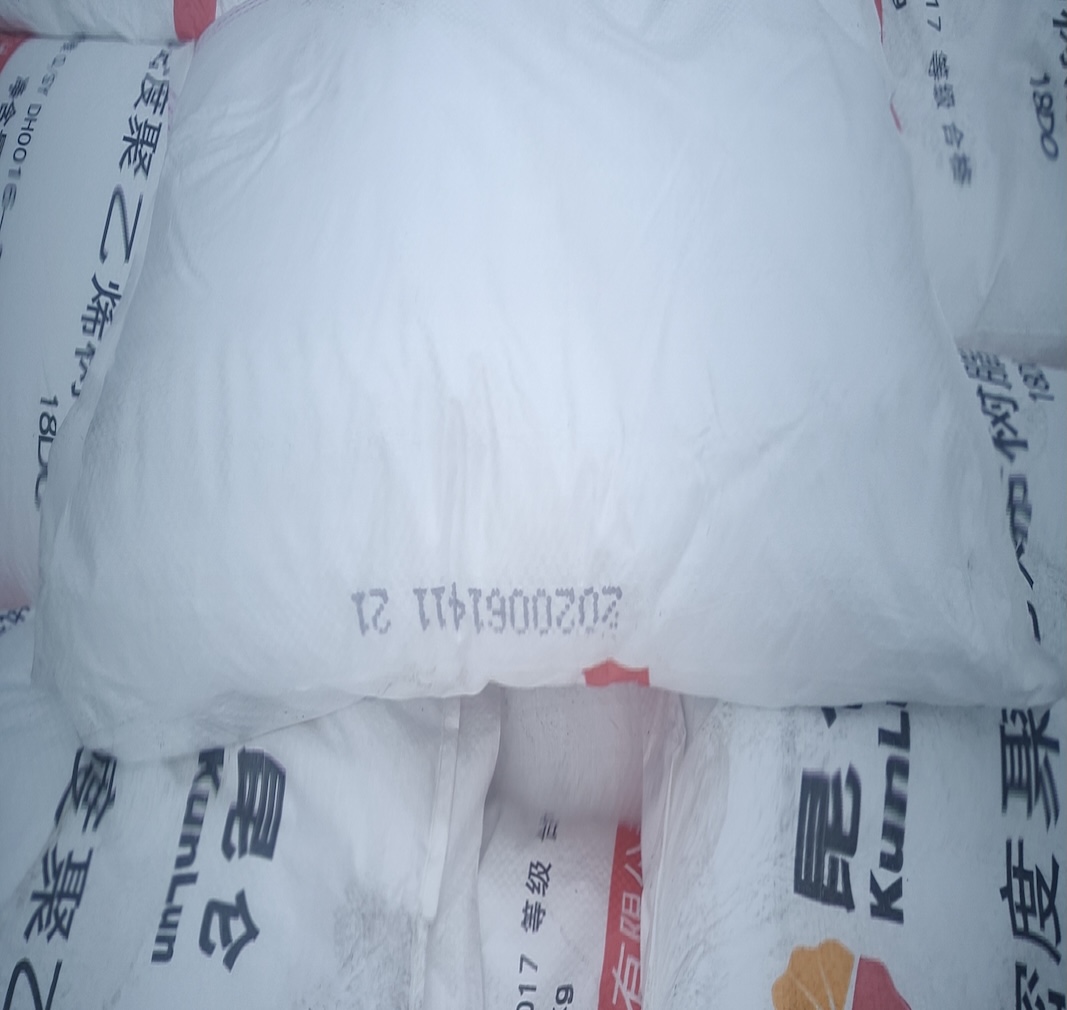
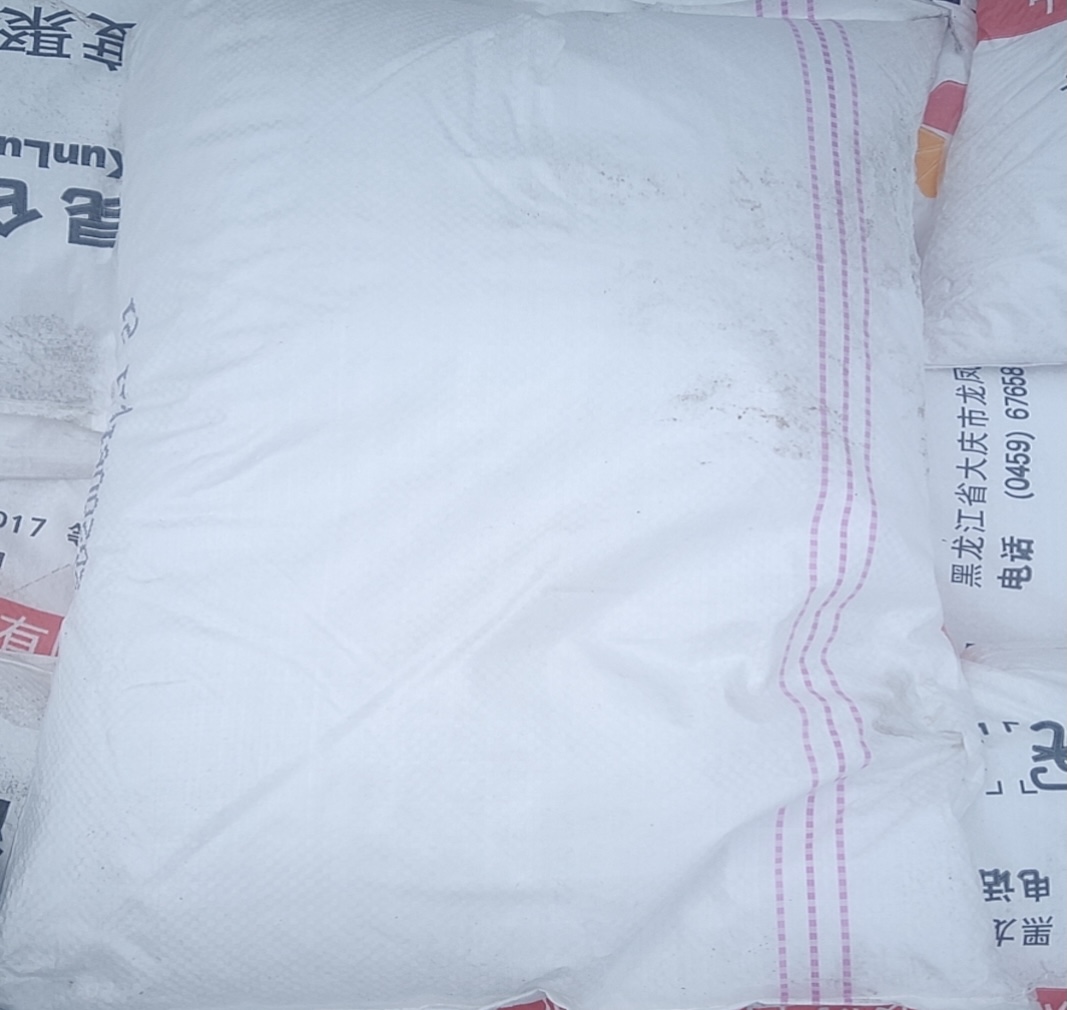
Heavy duty shrink film applications demand exceptional mechanical resilience, balanced shrinkage energy, and high melt strength to securely unitize heavy industrial goods, palletized construction materials, and large equipment. Utilizing specialized low-density polyethylene (LDPE) polymer structures with optimized molecular weight distributions allows film manufacturers to achieve superior dart impact resistance and high holding force without compromising bubble stability during blown film extrusion.
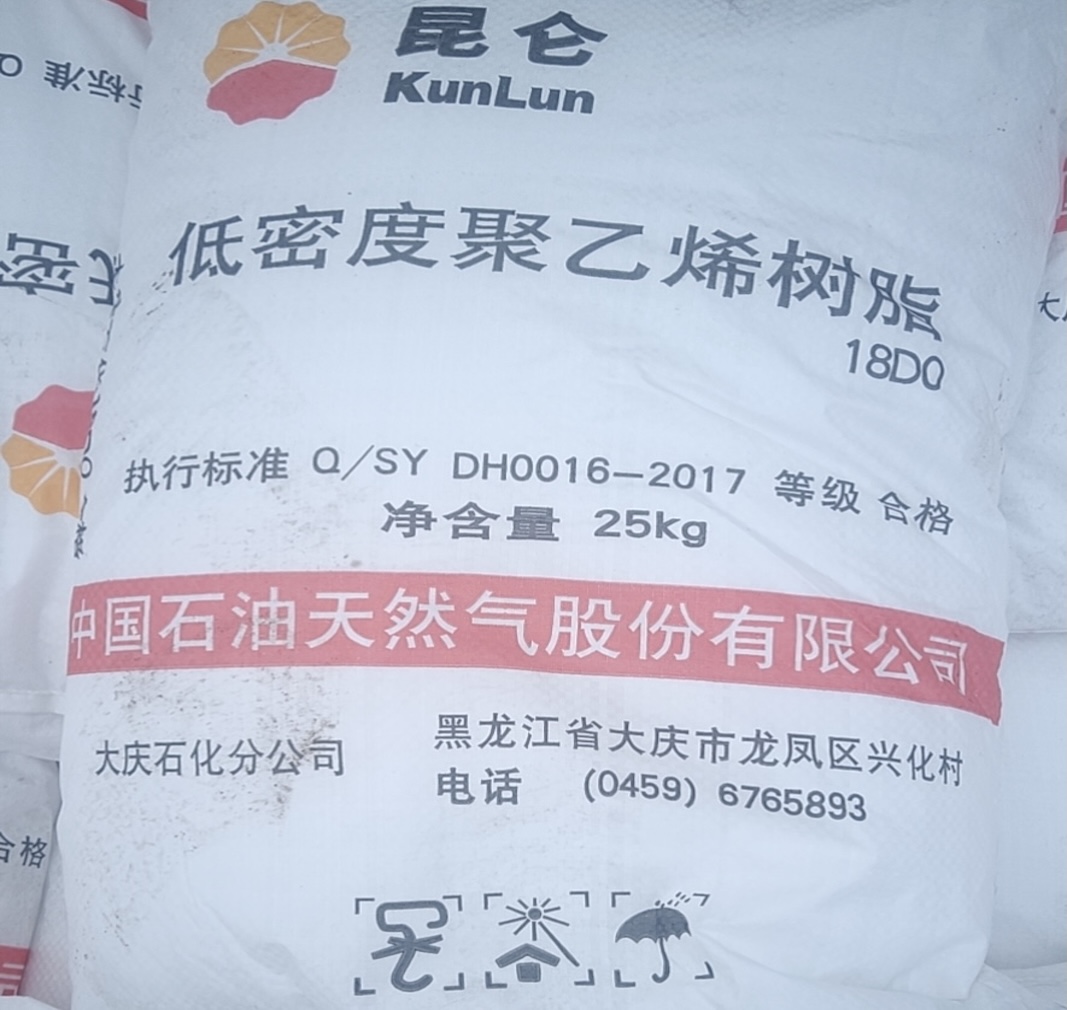
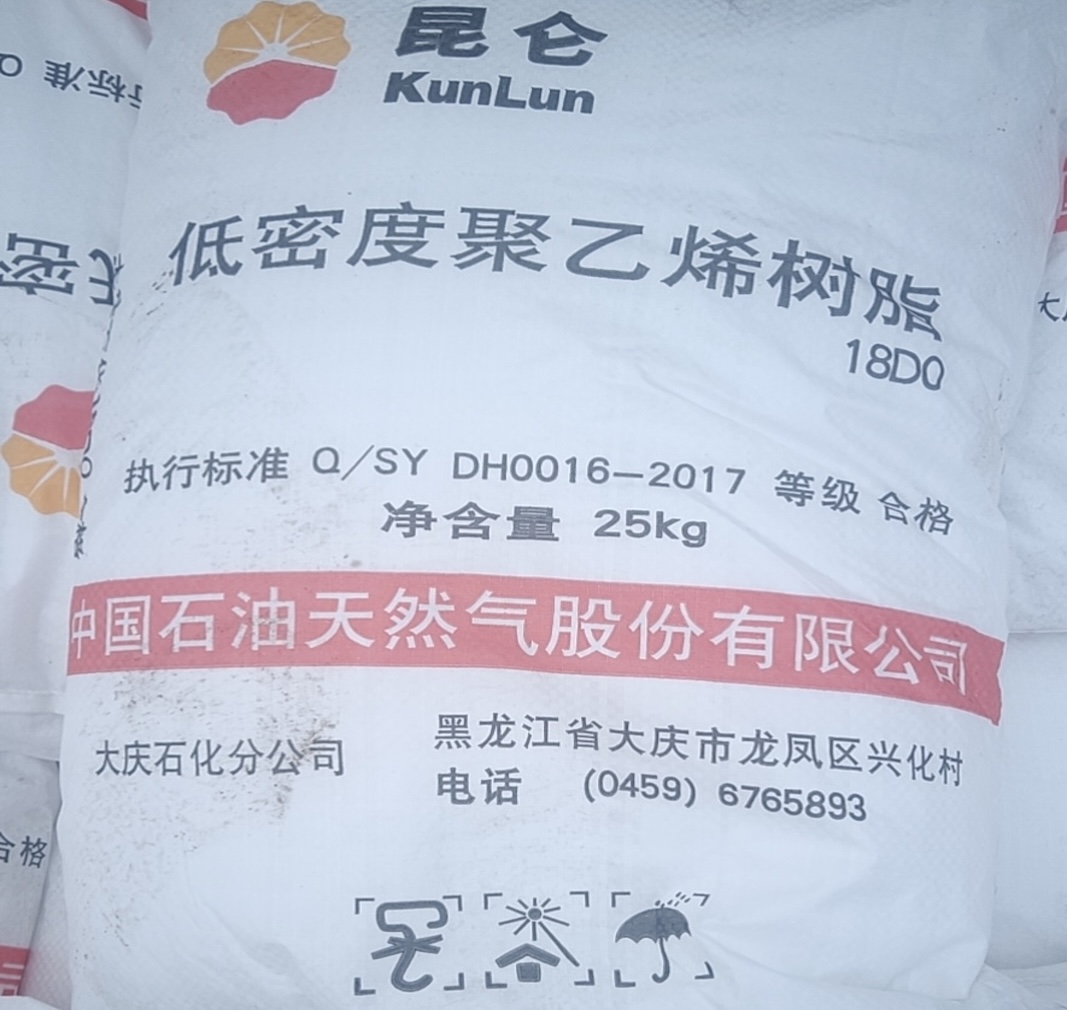
To better understand how specialized low-density polyethylene grades compare across processing methodologies, review our detailed Professional Analysis of Daqing 18D0 LDPE or examine the core polymer specifications directly on our Daqing Petrochemical 18D0 Product Page.
Core Mechanical and Rheological Performance Metrics
| Technical Parameter | Typical Characteristic Range | Standard Testing Protocol |
|---|---|---|
| Melt Flow Index (MFI) | 0.2 - 0.9 g/10 min (190°C/2.16kg) | ASTM D1238 |
| Base Resin Density | 0.918 - 0.925 g/cm³ | ASTM D1505 |
| Dart Drop Impact Resistance | > 250 g | ASTM D1709 |
| Tensile Strength at Break (MD/TD) | > 20 MPa | ASTM D638 |
| Ultimate Elongation at Break | > 600% | ASTM D638 |
Molecular Architecture Optimization for Industrial Unitization
The structural backbone of high-toughness LDPE relies on controlled long-chain branching introduced during high-pressure autoclave or tubular reactor polymerization. This distinct branching configuration governs the material's pseudoplastic behavior, ensuring high shear sensitivity. When the polymer melt passes through the extrusion die, the shear thinning effect reduces apparent viscosity, whereas the low melt index ($< 1.0\text{ g/10 min}$) maintains high melt tension post-extrusion. This balance prevents gravitational sag during upward or downward blown film extrusion and ensures an even, stable bubble envelope.
Furthermore, the amorphous regions interspersed within the crystalline lamellae allow the film to absorb immense mechanical shock. When subjected to the aggressive multi-axis stresses of thermal tunnel shrinking, the material accommodates high shrink tension ratios in both machine direction (MD) and transverse direction (TD) without localized tearing or pinhole formation.
Advanced Extrusion Stability and Film Conversion Advantages
Converting high-molecular-weight tubular LDPE into heavy-duty shrink packaging requires strict management of thermal profiles and cooling ring efficiency:
- Enhanced Bubble Resiliency: High melt strength resists external airflow disturbances on the cooling tower, maintaining a uniform gauge thickness across wide-format layflat tubing.
- Optimized Shrink Energy Recovery: Controlled orientation during the blowing process locks high elastic memory into the film matrix, ensuring tight load containment upon thermal contraction.
- Superior Puncture Defense: The synergistic combination of high tensile elongation and high dart impact prevents sharp pallet corners or protruding industrial parts from breaching the protective barrier.
Frequently Asked Questions
Why does a lower melt flow index improve the performance of industrial heavy shrink films?
A lower melt flow index indicates longer molecular chains and higher molecular weight, which directly translates to greater melt strength, higher tensile durability, and superior puncture resistance necessary to withstand heavy shifting loads during transit.
How does biaxial orientation during blown film processing affect cargo unitization stability?
Biaxial orientation stretches the polymer chains in both machine and transverse directions, resulting in balanced shrinkage forces that tightly hug irregular pallet geometries and prevent load shifting from side to side.
What extrusion temperature adjustments are typically required when shifting from standard film grade LDPE to high toughness heavy duty grades?
Processors usually need to maintain slightly elevated barrel and melt temperatures to properly homogenize the higher molecular weight polymer, while optimizing internal bubble cooling rates to prevent premature crystallization on the die lip.
How do operators eliminate gauge bands on wide-format heavy-duty film lines?
Gauge uniformity is maintained by ensuring precise temperature control across the entire annular die circumference, maintaining consistent frost line height through optimized dual-lip air ring adjustments, and utilizing high-precision rotatable extrusion dies.
Strategic Partnership for Heavy Duty Film Extrusion
Optimizing your heavy-duty packaging lines with high-toughness low-density polyethylene resin ensures structural integrity, superior shrink force retention, and maximum load security during transit. Connect with our engineering specialists today to request tailored technical documentation, resin characterization data, or trial trial quantities designed for your specific extrusion lines.