GPPS vs HIPS: How does Dushanzi Petrochemical PS-500 Meet Different Plastic Application Needs?
Pick the wrong polystyrene grade and your parts crack, cloud over, or warp on the line. The GPPS-HIPS choice decides that outcome before molding even starts.
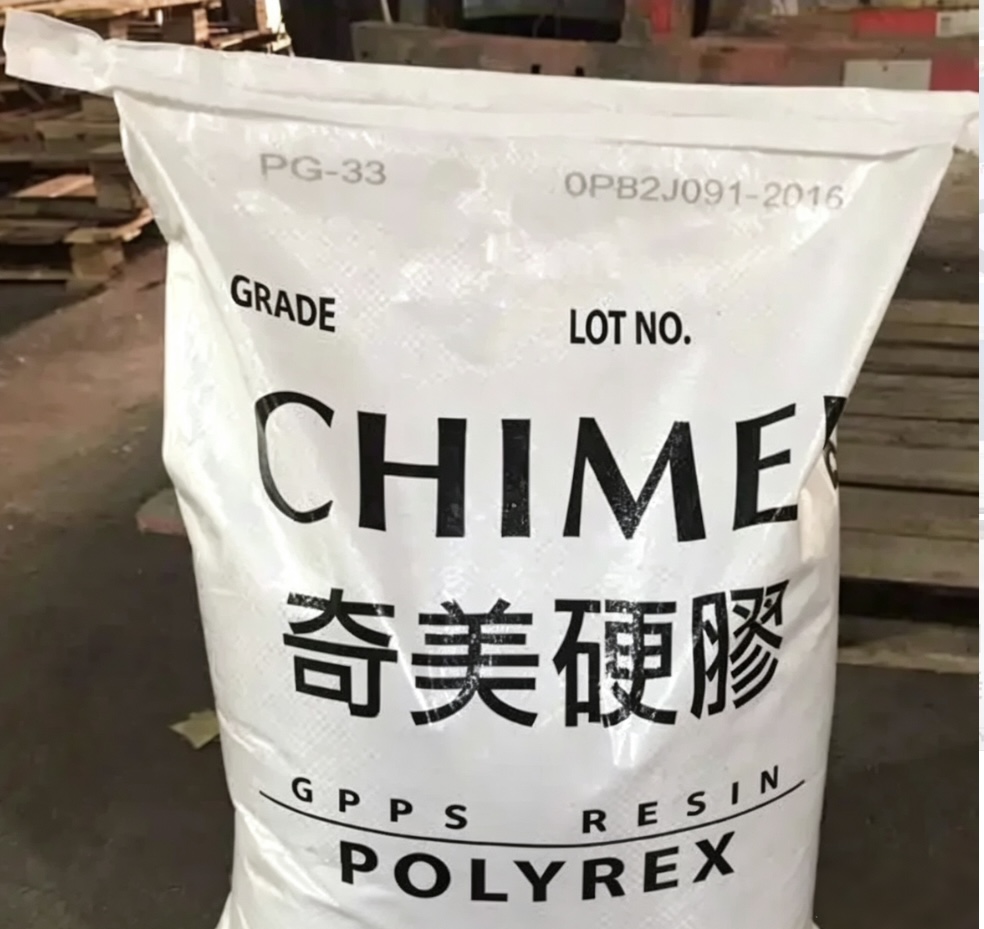
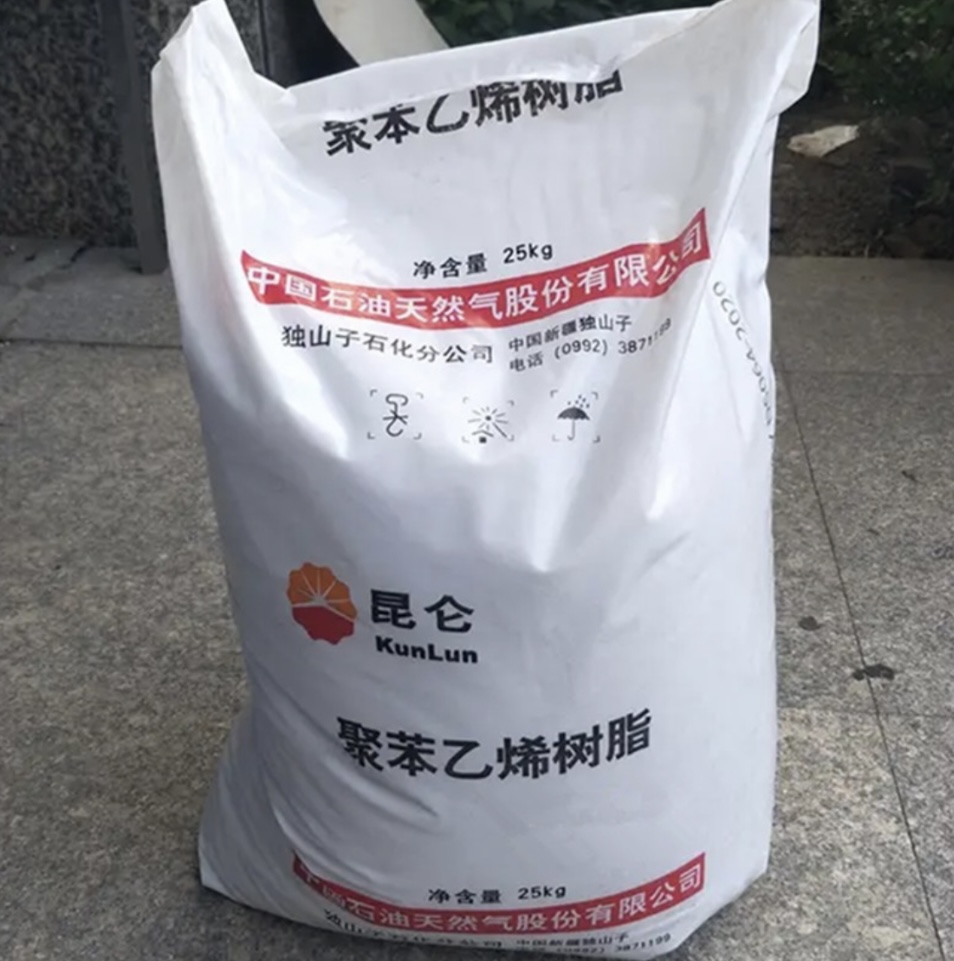
Dushanzi Petrochemical PS-500 is a general purpose polystyrene (GPPS) grade, built for clarity, rigidity, and stable processing, while HIPS grades trade some transparency for higher impact resistance in tougher applications.
I have reviewed a lot of resin data sheets over the years, and the same mistake keeps showing up. Buyers compare GPPS and HIPS by price or by name alone, without asking what the finished part actually has to survive. That single oversight causes more rejected batches than any processing error does.
.jpg)
Dushanzi Petrochemical PS-500: What are Its GPPS Properties and Performance Advantages?
A resin's spec sheet only tells half the story. The other half shows up on the production floor.
PS-500, as a GPPS grade, delivers high transparency, good rigidity, low shrinkage, and stable dimensional performance, which makes it suitable for applications where clarity and structural stiffness both matter.
These traits line up with how GPPS behaves across the industry as a whole. Supplier data on general purpose polystyrene consistently lists excellent transparency, gloss, high rigidity, and low shrinkage as the defining advantages of this resin family, and PS-500 fits that same profile. Published property data for GPPS shows tensile strength in the 2.3 to 3.6 N/mm² range along with high dimensional stability, numbers that explain why this grade holds tight tolerances during molding. At Chengnuo, this is exactly the kind of data I walk customers through before they commit to a grade, since a resin that looks similar on paper can still behave differently once it hits a real production line.
GPPS vs HIPS: Why does Material Selection Matter for Different Manufacturing Applications?
Two resins from the same polystyrene family can end up in completely different products. The reason comes down to one added ingredient.
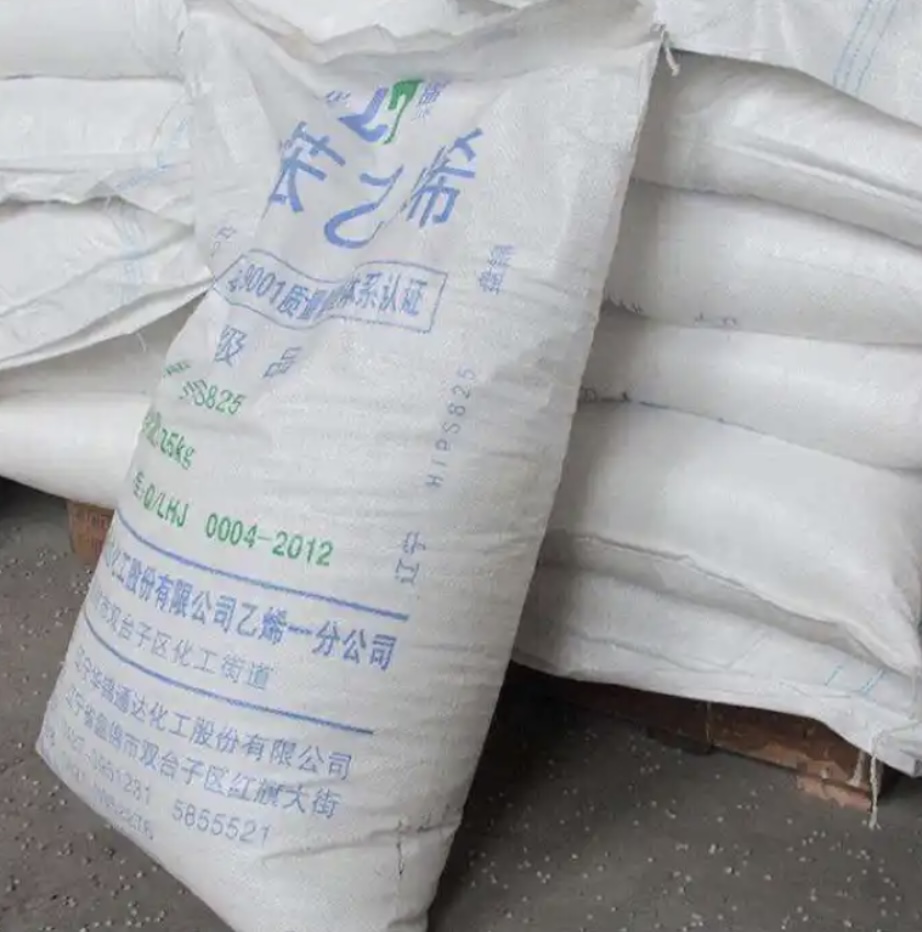
GPPS stays rigid and transparent because it has no rubber content, while HIPS blends in rubber particles that sacrifice clarity in exchange for meaningfully higher impact resistance.
This trade-off shapes where each resin ends up. Industry data on polystyrene applications shows GPPS used for food packaging, refrigerator components, and healthcare items, while HIPS goes into yoghurt cups, electronic devices, and durable fridge liners, applications where a drop or knock is expected. Technical data on HIPS confirms this resin is specified for low strength structural parts where impact resistance and easy fabrication matter more than optical clarity. Getting the choice wrong in either direction causes real problems: a clear GPPS part used where impact is expected will crack, while a HIPS part specified where clarity was needed simply won't work.
| Property | GPPS (PS-500) | HIPS |
|---|---|---|
| Transparency | High, glass-like clarity | Opaque |
| Impact resistance | Lower, more brittle | Higher, rubber-modified |
| Rigidity | High | Moderate |
| Typical use | Packaging, labware, optics | Appliance parts, casings |
Applications and Processing Considerations of Dushanzi Petrochemical PS-500 GPPS Resin: What should Manufacturers Know?
Choosing the right resin is only step one. Processing conditions decide whether that resin actually performs as expected.
PS-500 processes well through standard injection molding and extrusion, and its low shrinkage and stable flow behavior make it a practical choice for packaging, labware, and general injection molded components.
Market analysis of the polystyrene industry notes that GPPS grades remain widely used across packaging and consumer goods precisely because of this processing consistency, even as HIPS continues to dominate segments that demand higher impact performance. From my own experience walking manufacturers through resin trials, the grades that cause the fewest headaches on the floor are the ones with predictable melt flow and low shrinkage, both of which line up with what PS-500 offers as a GPPS resin. I always tell customers to run a small trial batch before committing to full production, since mold design and cycle time can shift performance results even when the resin data sheet looks perfect on paper.
Conclusion
PS-500 suits clarity-driven, rigid applications, while HIPS remains the better fit wherever impact resistance takes priority.
References
- Resinex/Trinseo. "Styron: GPPS and HIPS Brand Information." resinex.com
- INEOS Styrolution. "Industry Leading Line-Up of Sustainable Polystyrene." ineos.com
- Europlas. "GPPS Plastic: What Is It?" europlas.com.vn
- Emco Industrial Plastics. "PS, High Impact (HIPS)." emcoplastics.com
- BusinessWire. "Global Polystyrene Market Report." businesswire.com