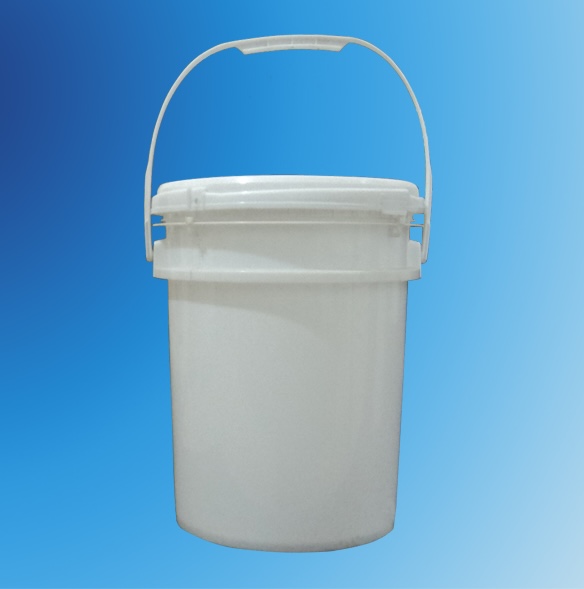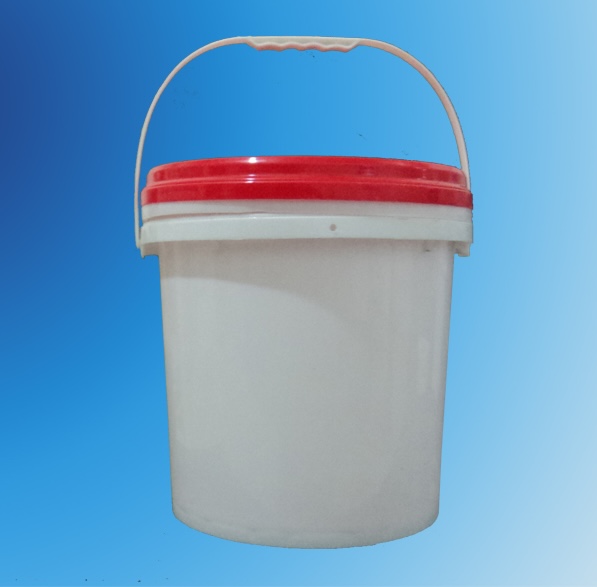
How to Choose HDPE Blow Molding Resin for Small Containers? B5502A Solves Rigidity, ESCR, and Food Compliance in One
Many factories make laundry detergent bottles, food sauce jars, and daily chemical containers. They often run into headaches when picking suitable HDPE blow molding materials. Common homopolymer HDPE has good hardness, but bottles will grow tiny cracks after holding detergent for a long time, and crack easily when knocked in cold weather — a failure mode widely documented as environmental stress cracking (ESCR) failure in blow-molded HDPE packaging. Imported resins with good ESCR, such as Formosa Plastics' Formolene HB5502A hexene copolymer grade, work well, yet their price stays high. Low-cost, unqualified pellets have lots of fish eyes and fail full food contact certifications. Export goods made from them may get rejected at customs.
B5502A balances three core advantages well. It does not overemphasize one single performance index, and helps factories cut many performance compromises during food and daily chemical blow molding production.
When should you prioritize B5502A?
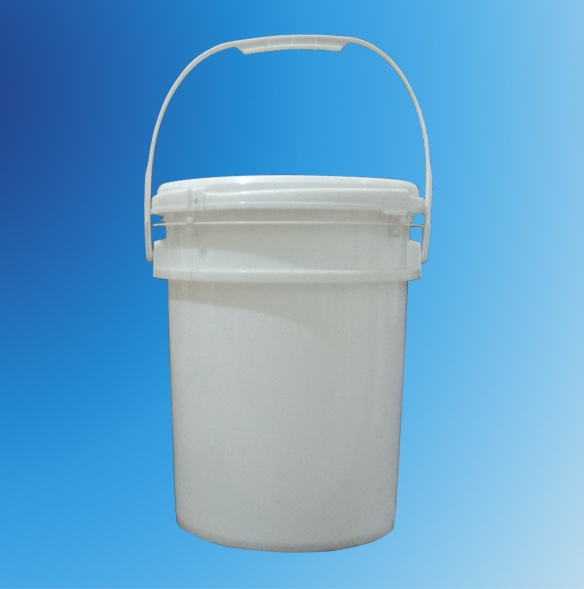
You produce 0–10L small blow-molded containers, such as laundry detergent bottles, food sauce jars, pharmaceutical packaging bottles, and cosmetic bottles.
Your products hold detergent, disinfectant, or oily contents, which require strong environmental stress crack resistance (ESCR).
You need raw materials that meet GB4806.6, FDA 21CFR, and EU food contact standards.
You want to cut the amount of toughener added, simplify production formulas, and lower total material cost.
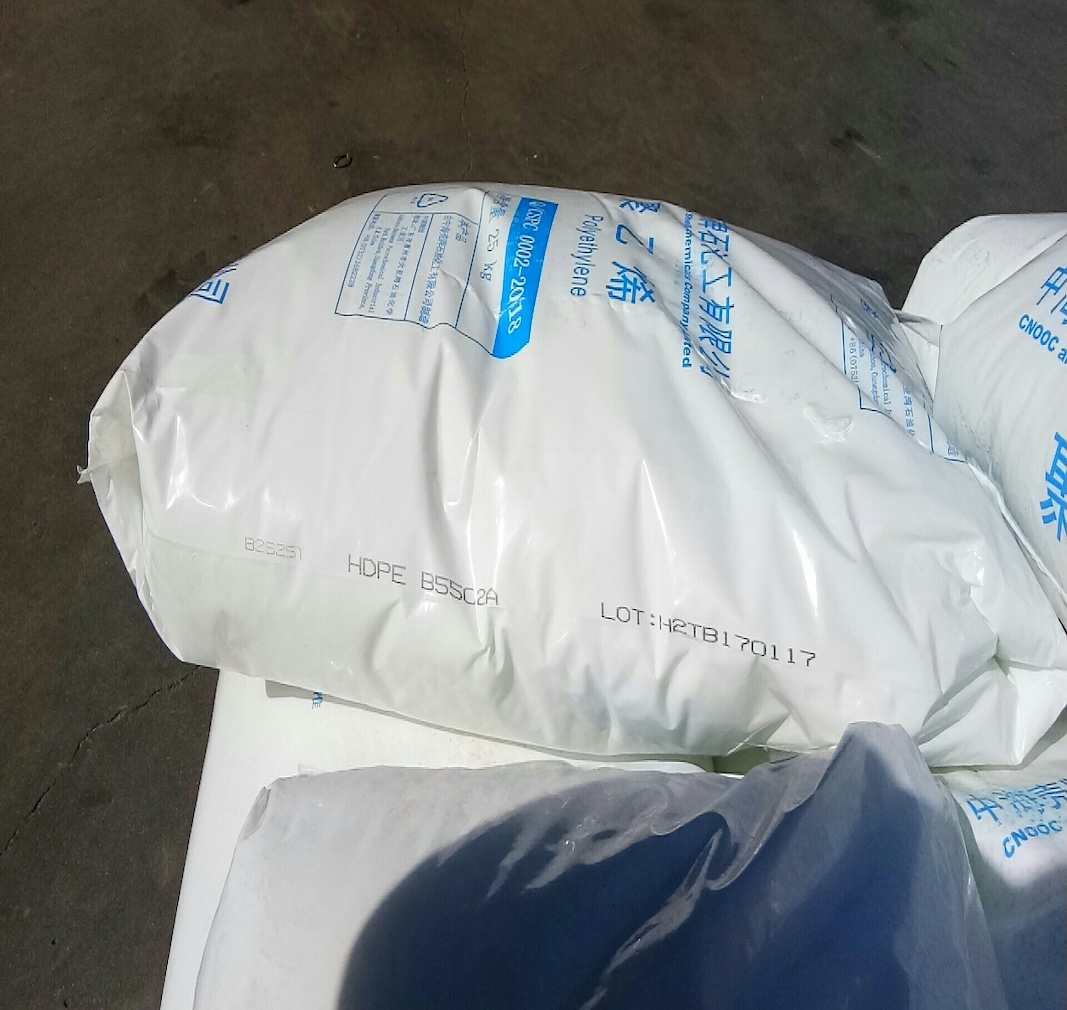
What real production problems does B5502A solve?
Stable ESCR performance
Most bottles filled with detergent or oil will crack and leak after months of storage — the same stress-cracking risk that international blow molding datasheets, such as Chevron Phillips Chemical's Marlex HHM 5502BN technical data sheet, specifically test under 100% Igepal conditions. B5502A greatly cuts after-sales returns caused by cracking leakage.
Stable low-temperature toughness
In cold chain transport during northern winters, ordinary HDPE becomes brittle and breaks easily when bumped. Comparable blow molding grades report brittleness temperatures well below freezing in their published resin properties. B5502A keeps good impact resistance even under freezing temperatures, and obviously lowers the product breakage rate in winter.
Sufficient rigidity
Finished bottles stay firm and straight. They keep their shape under stacking weight and will not collapse. This kind of balance between stiffness, melt strength, and impact resistance is exactly what general-purpose blow molding HDPE grades are engineered for. It also supports a lightweight design, and less material is used for each bottle to save total cost.
Full food safety certification
It meets GB4806.6, FDA 21CFR, and EU 10/2011 standards, so export orders pass inspection smoothly, in line with the food packaging application profile listed for equivalent international HDPE 5502-series resins. The virgin pellets have very few fish eyes and black spots. Factories can directly use them for food and medical packaging without worrying about surface defects.
Wide processing temperature range
The molten parison stays stable and will not sag. Bottle wall thickness remains even, consistent with the recommended processing window published for gas-phase HDPE blow molding grades. New operators can also keep low scrap rates and spend less time adjusting machine parameters.
When should you NOT use B5502A?
Large chemical drums over 10L: its melt flow is not enough. Choose special medium & large blow molding grades like B5403 instead.
Injection molded storage boxes and equipment shells: blow molding resin lacks enough fluidity to fill molds. Select dedicated HDPE injection grades.
Courier bags and agricultural mulch blown film: use special LLDPE film grades.
Shop floor tips
Change resin step by step. Start with a 3:7 or 5:5 mixing ratio. Do not replace all material at once, or the parison will turn unstable temporarily. Set processing temperature between 180–210°C, a range consistent with the processing guidance in comparable international HDPE blow molding datasheets. Keep the head temperature under 200°C. High temperatures will cause low-molecular substances to separate out and violate food-contact surface standards. Mix 10–20% flexible PE resin to boost low-temperature impact strength. No expensive toughening additives are needed. Do not judge cost only by the raw material unit price. Calculate total production loss instead. B5502A brings higher finished product yield, less additive use, and zero return orders caused by certification issues. Its long-term mass production cost is much lower than that of cheap off-spec pellets.
B5502A solves one core trouble for manufacturers. It removes the need to balance rigidity, ESCR, and food compliance for 0–10L small blow-molded containers. It is the most trouble-free material if it fits your production needs.
Contact our technical team to get segmented blow molding temperature settings, mixing formulas, or free sample testing.
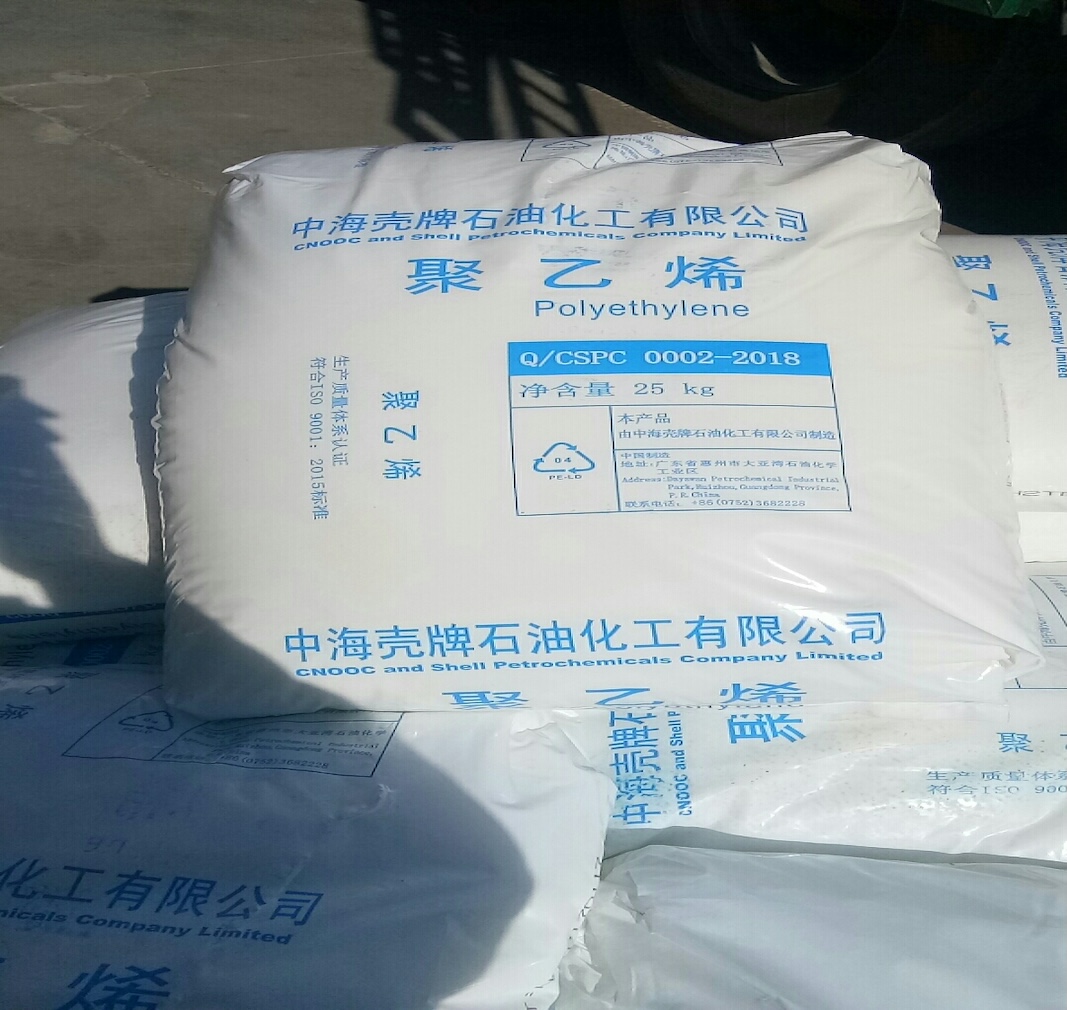
References
1. TotalEnergies. Polyethylene HDPE 5502 – Technical Data Sheet. TotalEnergies Polymers, Belgium.
2. Reliance Industries Limited. Relene® B5502 – High Density Polyethylene, General Purpose Blow Moulding Grade, Technical Data Sheet.
3. Formosa Plastics Corporation, USA. Formolene® HB5502A – High Density Polyethylene Hexene Copolymer for Blow Molding, Datasheet, via LookPolymers.
4. ONGC Petro Additions Ltd. (OPaL). HDPE B5502 – High Density Polyethylene Blow Molding & Extrusion, Provisional Technical Datasheet, via Flexilis.
5. Chevron Phillips Chemical Company LP. Marlex® HHM 5502BN Polyethylene – Technical Data Sheet.
6. Baystar. HDPE 5502 – Resin Properties and Applications.