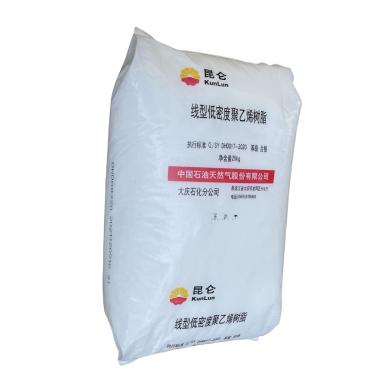
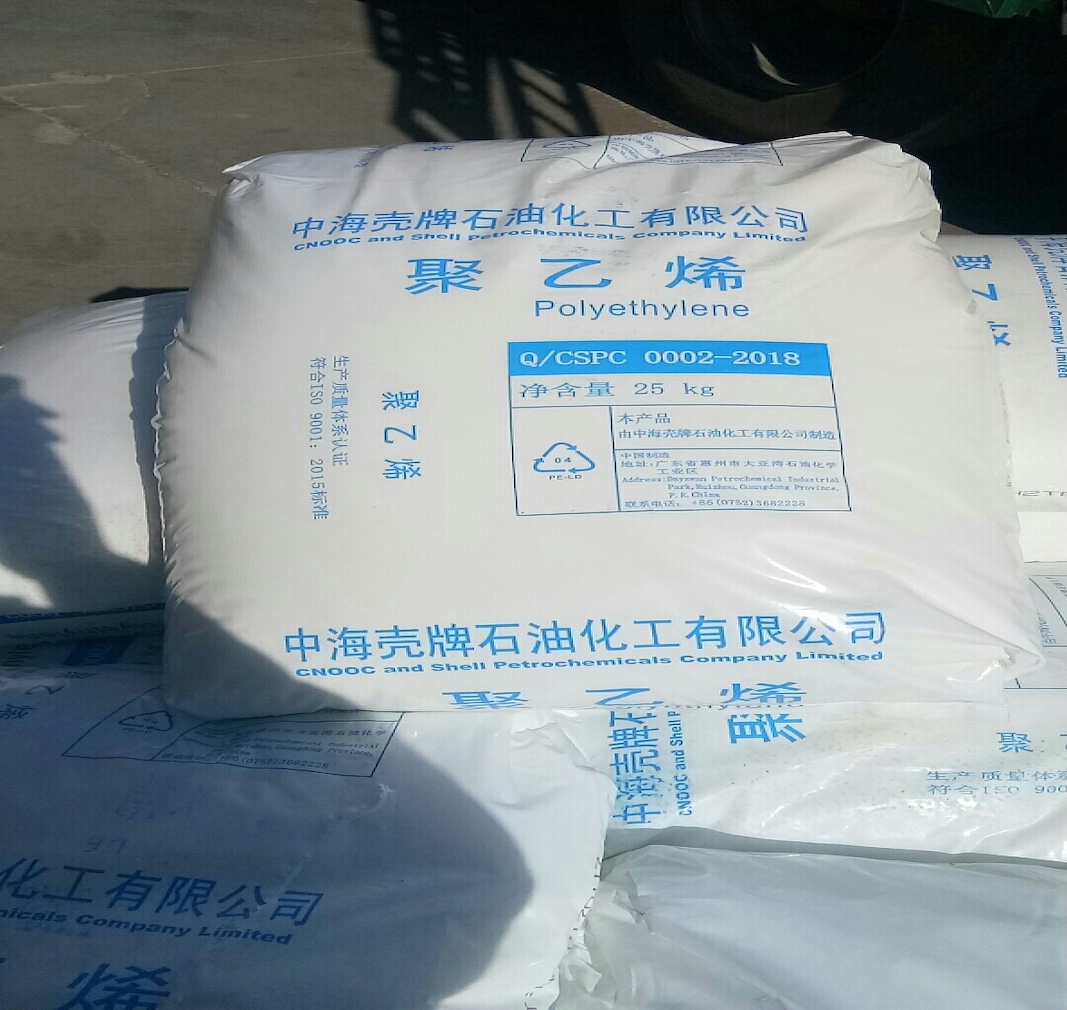
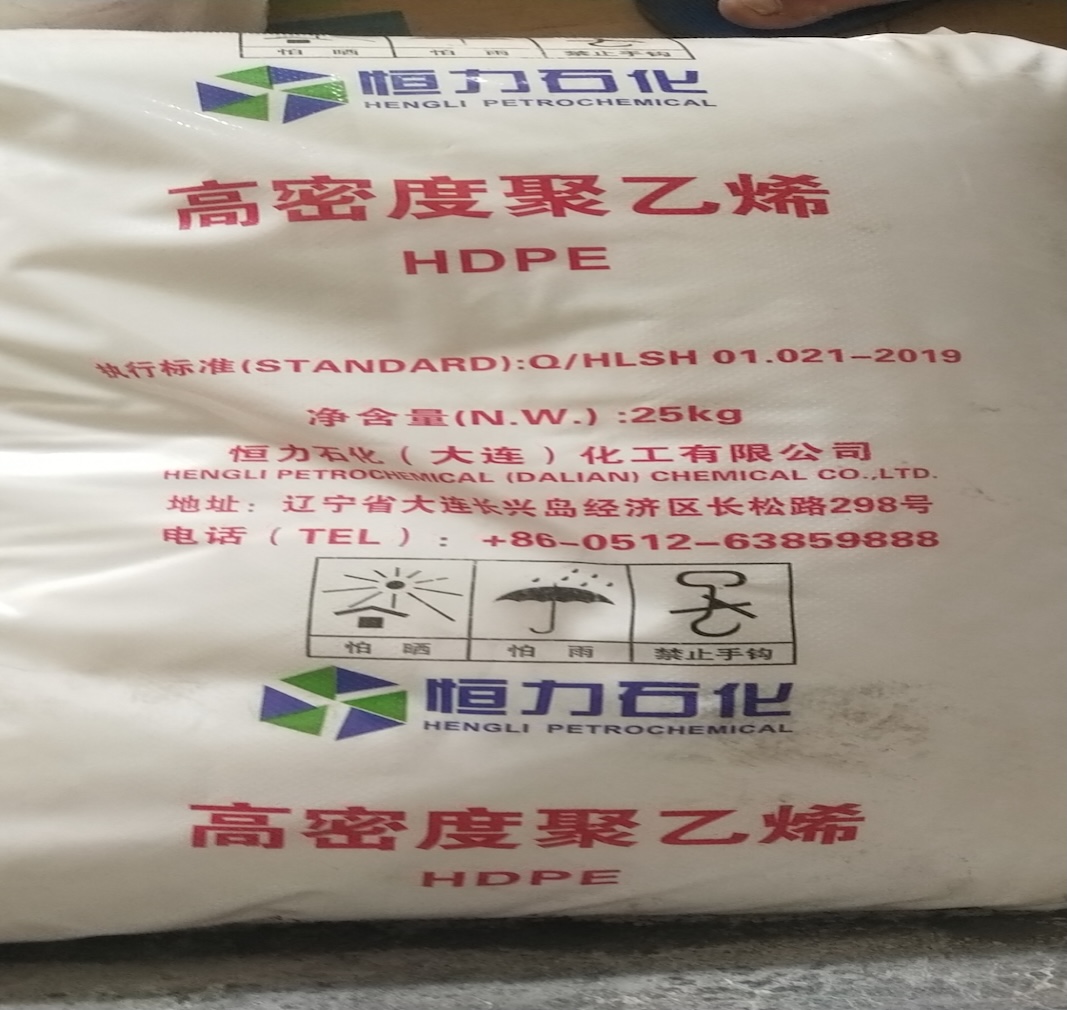
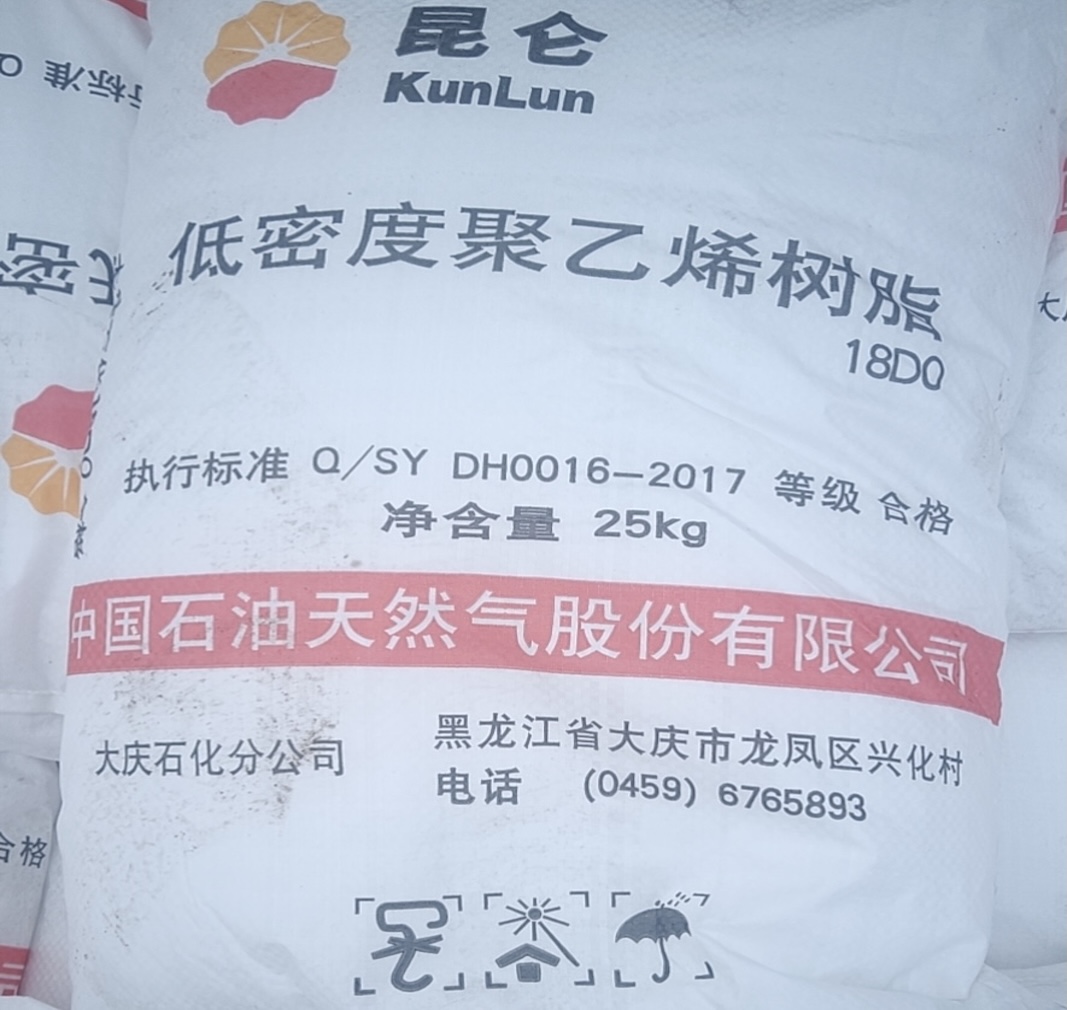
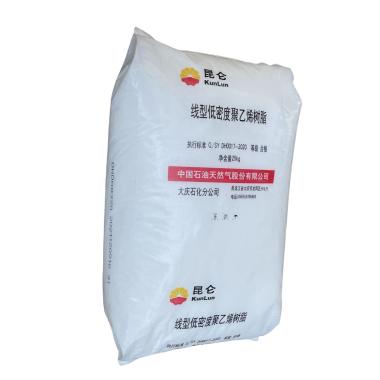
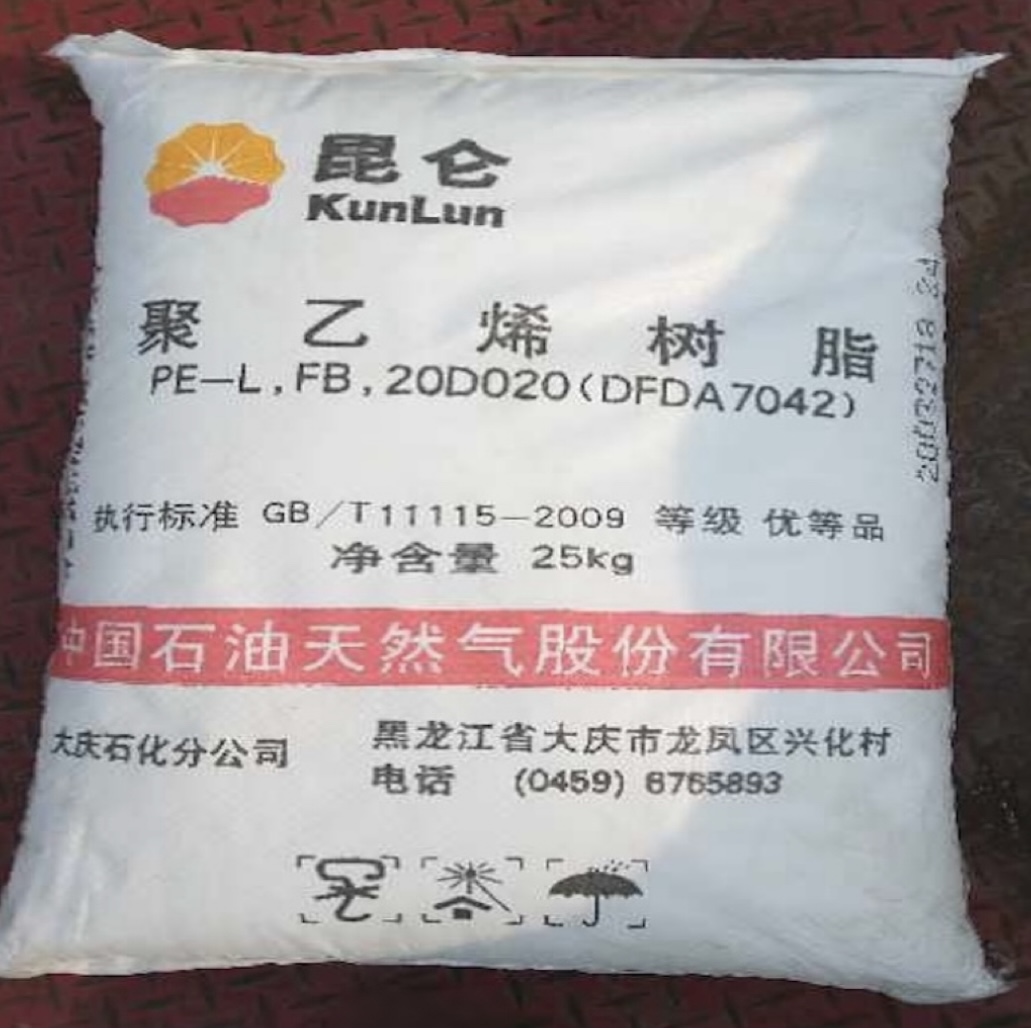
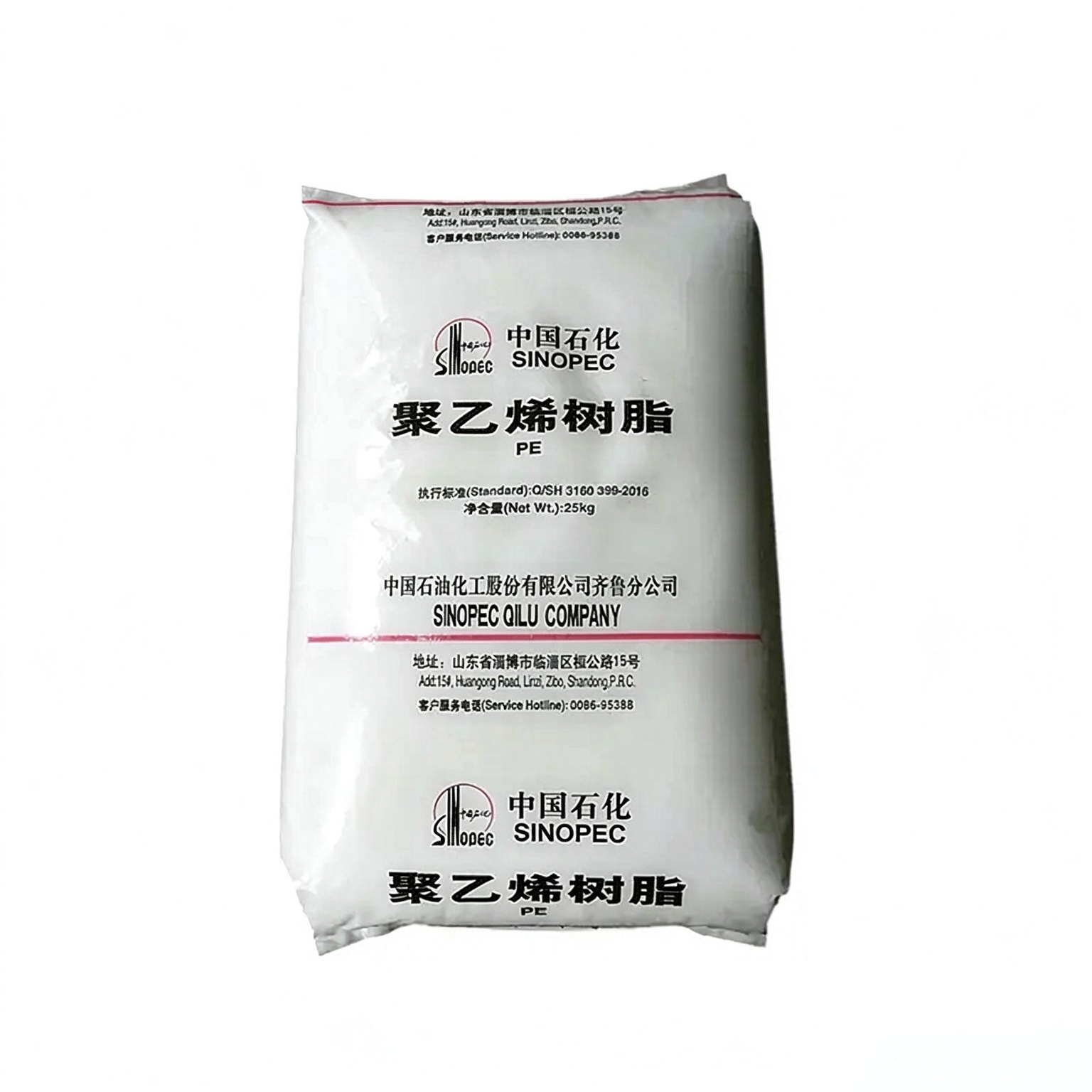
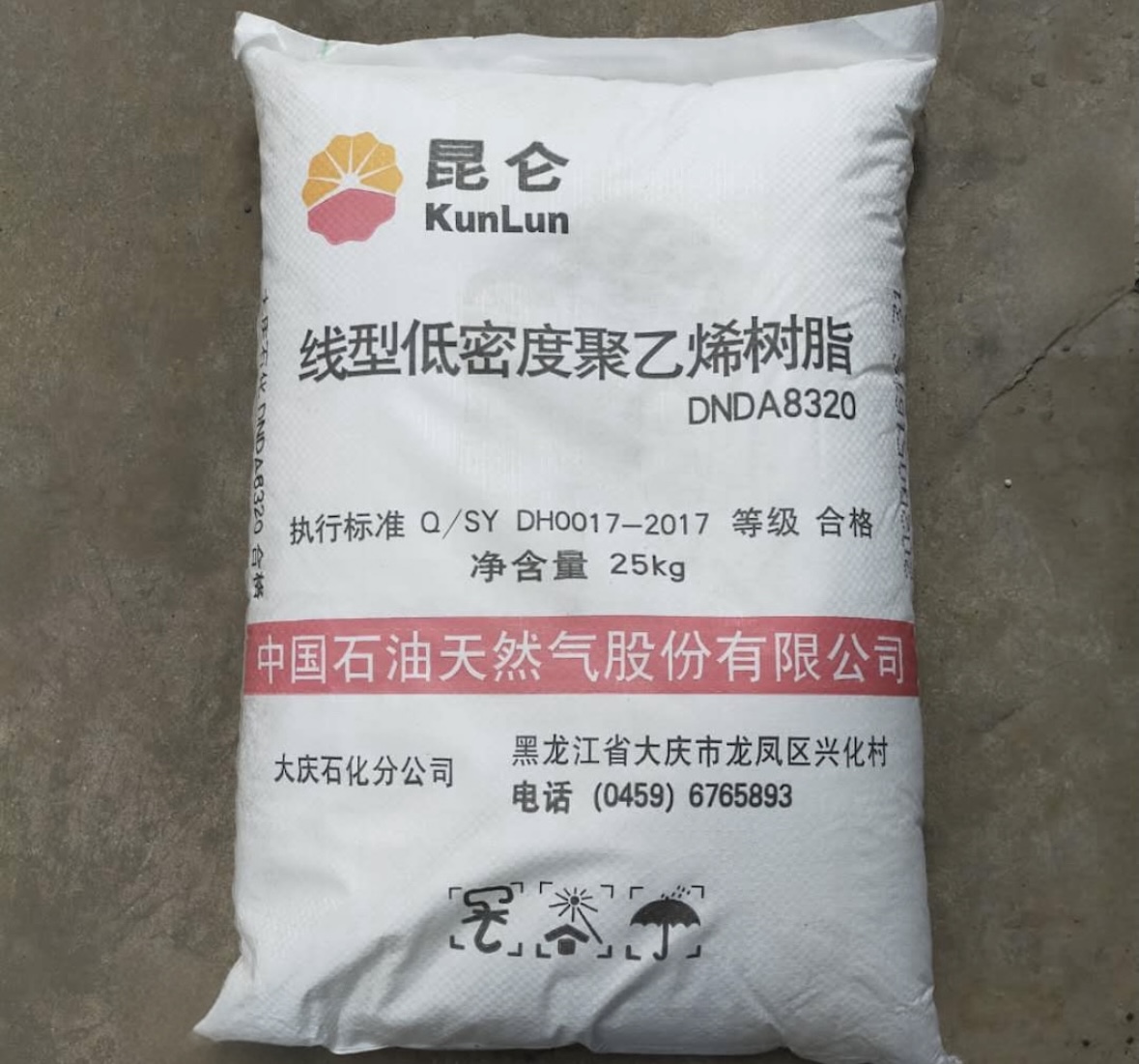
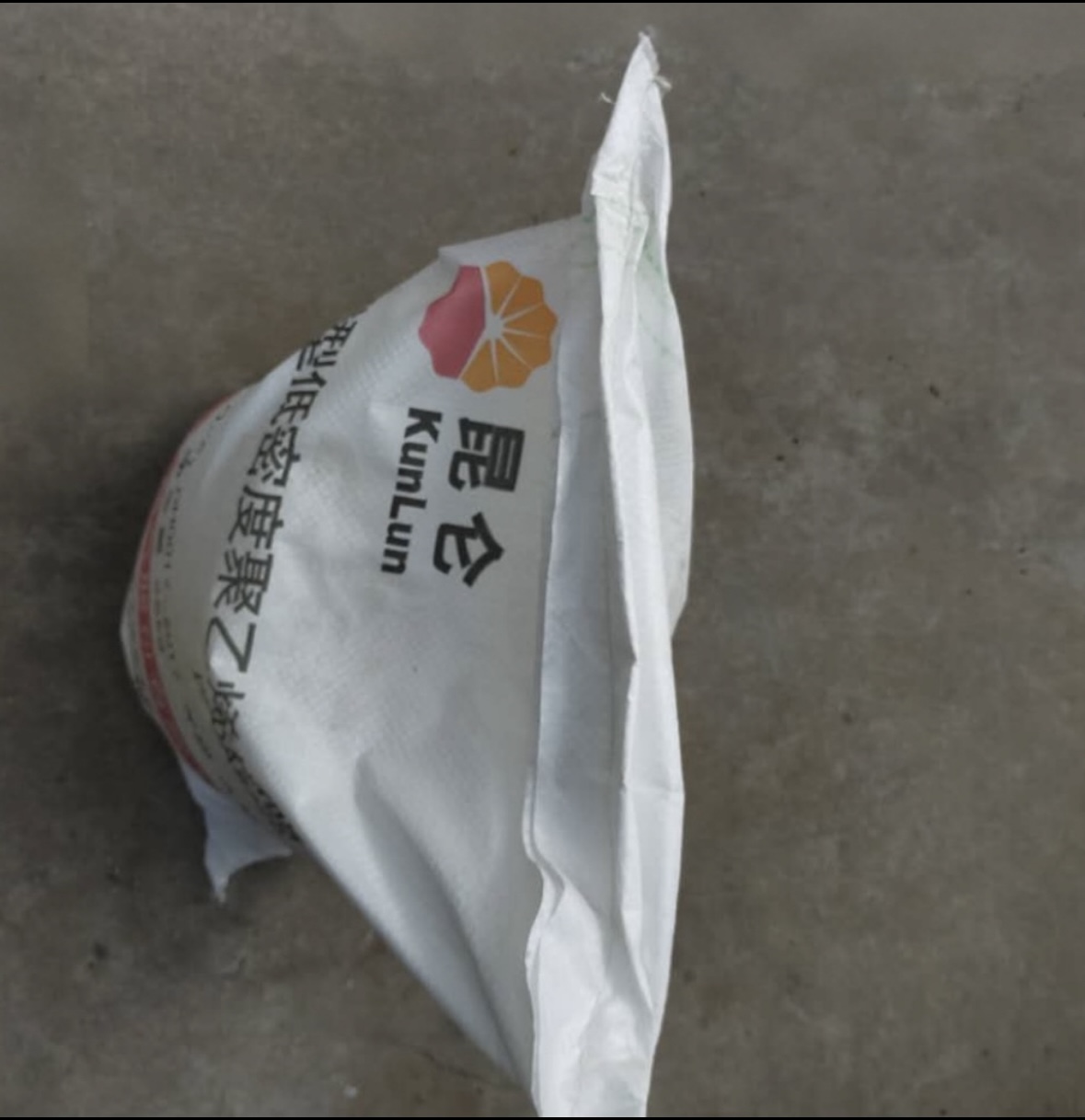
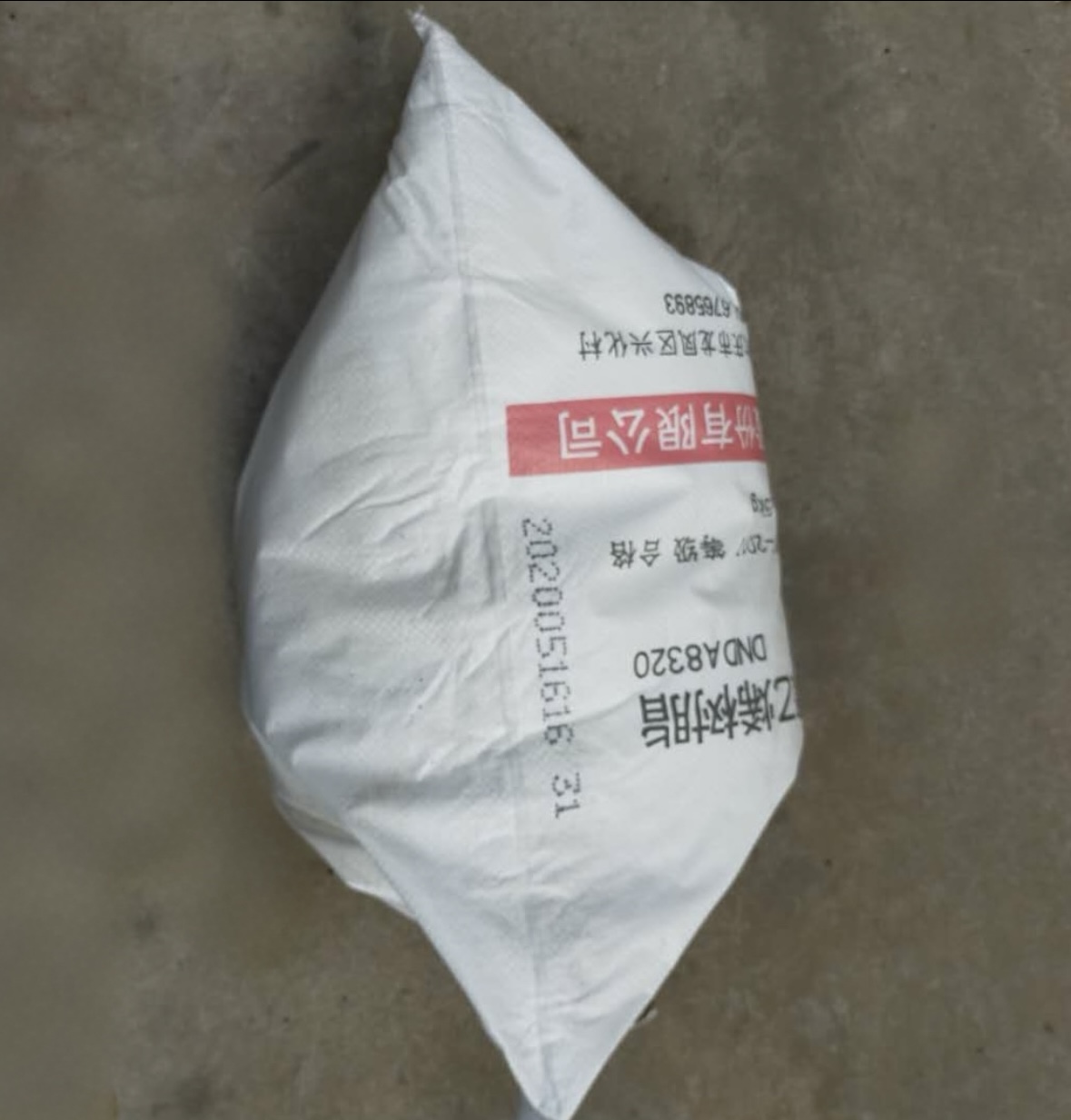
Linear low-density polyethylene (LLDPE) serves as an optimal carrier resin base for color, additive, and functional masterbatches due to its superior tensile strength, excellent environmental stress crack resistance (ESCR), and exceptional dispersion capabilities. Engineered for polymer compounders, our LLDPE-based resin solutions bridge the gap between high filler loadings and ultimate film or molded product integrity.
For more detailed technical insights on how polymer selection impacts compounding efficiency, explore our LLDPE Material Differences and Performance Guide, or view our premium grade specification on the Daqing 8320 Product Page.
Key Technical Parameters & Specifications
| Property | Typical Value / Range | Test Method |
|---|---|---|
| Melt Flow Index (MFI) | 2.0 - 20.0 g/10 min (190°C/2.16kg) | ASTM D1238 |
| Density | 0.918 - 0.935 g/cm³ | ASTM D1505 |
| Vicat Softening Temperature | 95°C - 105°C | ASTM D1525 |
| Tensile Strength at Break | > 18 MPa | ASTM D638 |
| Elongation at Break | > 600% | ASTM D638 |
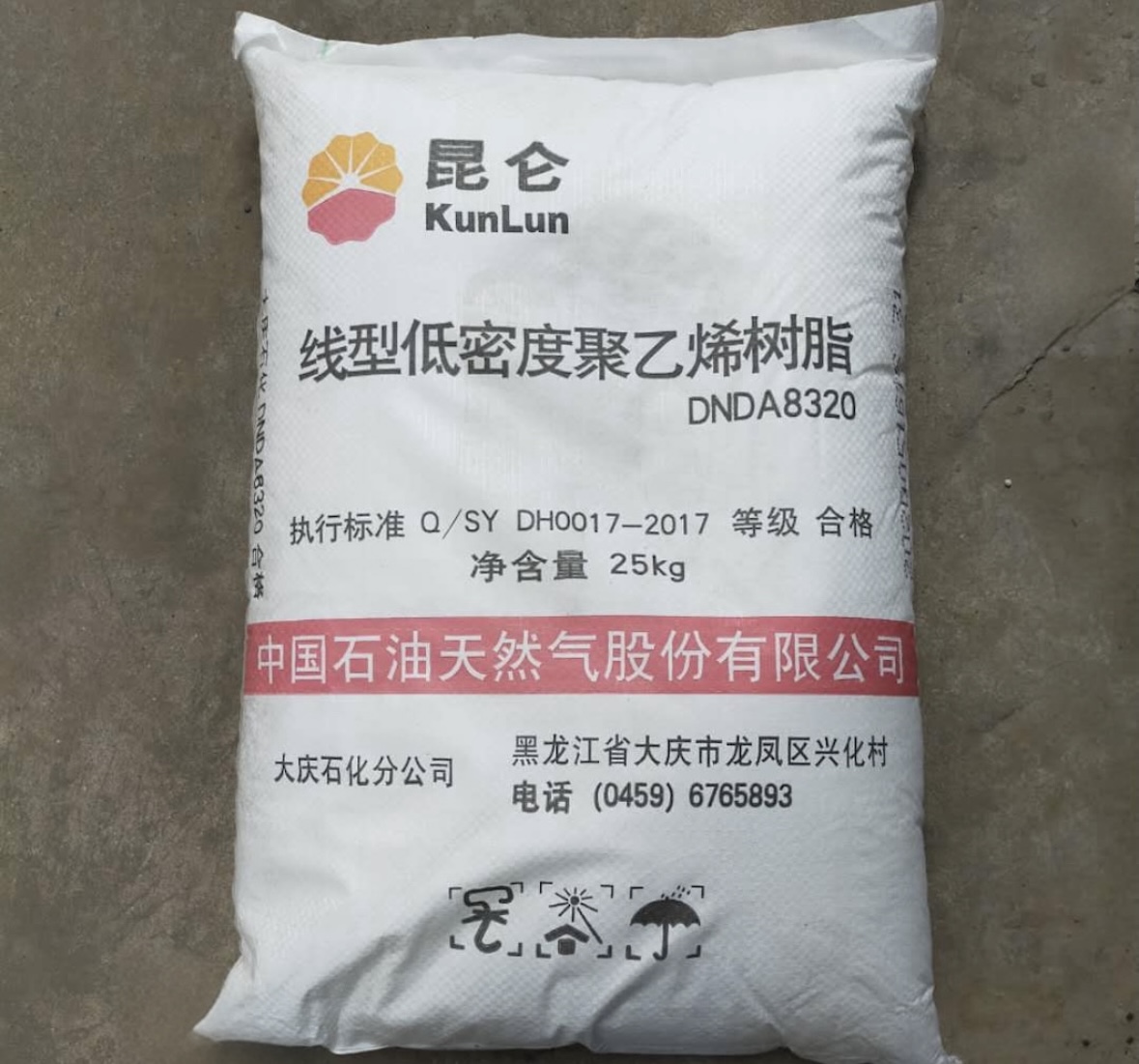
Rheological Synergy and Pigment Wetting Mechanics
Masterbatch manufacturing relies heavily on the carrier resin's ability to wet inorganic pigments and mineral fillers effectively while maintaining stable extrusion behavior. LLDPE features a short-chain branched molecular structure that provides unique rheological properties compared to homopolymer LDPE. This structural composition grants superior melt elasticity and shear thinning characteristics, ensuring that titanium dioxide ($TiO_2$), carbon black, or calcium carbonate ($CaCO_3$) particles are encapsulated uniformly without localized agglomeration.
Furthermore, maintaining an optimal melt flow index (MFI) range between 2.0 and 20.0 g/10 min ensures that the let-down ratio (LDR) remains consistent during downstream conversion processes such as blown film extrusion, blow molding, or injection molding. The enhanced toughness and puncture resistance inherent to linear low-density polyethylene prevent film embrittlement even at high pigment or additive concentrations.
Industrial Compounding Advantages
Selecting an appropriate LLDPE carrier matrix directly optimizes economic and mechanical performance across diverse polymer conversion lines:
- Superior Filler Accommodation: Facilitates high concentrations of functional additives or mineral fillers without compromising compound processability.
- Enhanced Thermal Stability: Withstands multi-pass high-shear extrusion compounding without premature chain degradation or cross-linking.
- Broad Base Polymer Compatibility: Exhibits seamless miscibility across various polyethylene matrices (LDPE, HDPE, LLDPE) and minimizes optical defects like gels or specks in thin gauge films.
Frequently Asked Questions
Why is LLDPE frequently preferred over homopolymer LDPE as a masterbatch carrier for blown film applications?
LLDPE provides significantly higher tensile strength, tear resistance, and puncture resistance compared to conventional LDPE. When used as a carrier resin in film masterbatches, it prevents the mechanical degradation often caused by high additive loadings, ensuring the final blown film maintains superior dart drop impact and elongation properties.
Can LLDPE-based masterbatch carriers be utilized effectively in high-density polyethylene (HDPE) injection molding items?
Yes. Because LLDPE shares a polyolefin backbone with HDPE, it offers excellent chemical compatibility. The lower crystallinity and flexible tie molecules of LLDPE help mitigate stress cracking in rigid HDPE containers, garbage bins, and thick-walled industrial crates.
How do processors prevent filter pack clogging during high-loading color masterbatch extrusion?
Filter pack clogging is typically managed by selecting an LLDPE carrier with optimal molecular weight distribution, incorporating effective dispersing lubricants, and ensuring that raw pigment agglomerates are pre-blended thoroughly in high-speed mixers before entering twin-screw compounding lines.
What role do short-chain branches play in thermal and mechanical durability during compounding?
The short-chain branching in LLDPE disrupts crystal packing, which broadens the melting range and enhances stress crack resistance. During high-temperature twin-screw extrusion, these branches assist in flexible energy dissipation, protecting the polymer matrix against localized thermal hotspots and mechanical fatigue.
Strategic Partnership for Masterbatch Formulation
Optimizing your compounding formulations with high-grade linear low-density polyethylene ensures consistent quality, superior pigment dispersion, and enhanced mechanical properties for downstream manufacturing.
Ready to elevate your product line with reliable polymer carriers? Contact our technical sales team today to request custom technical data sheets, test samples, or expert guidance tailored to your specific processing requirements.