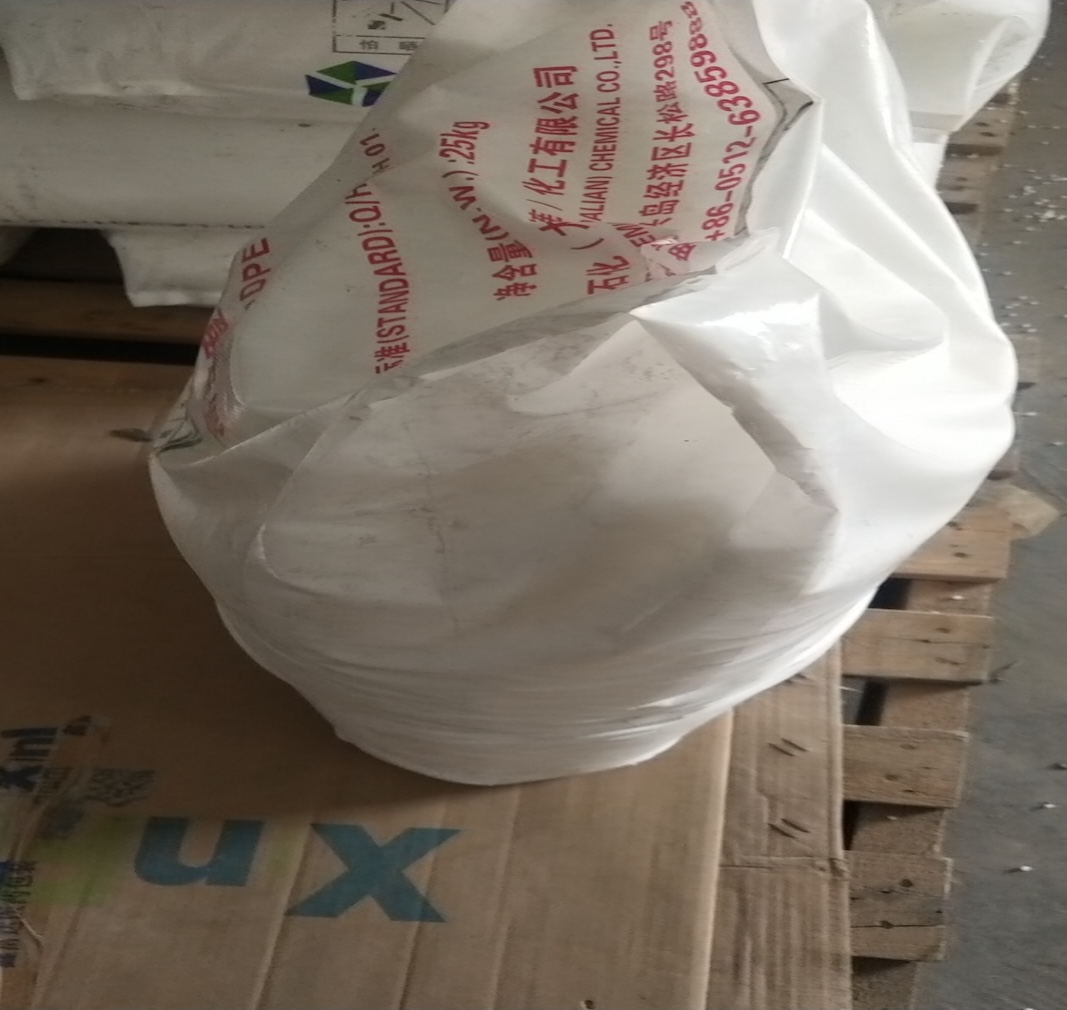
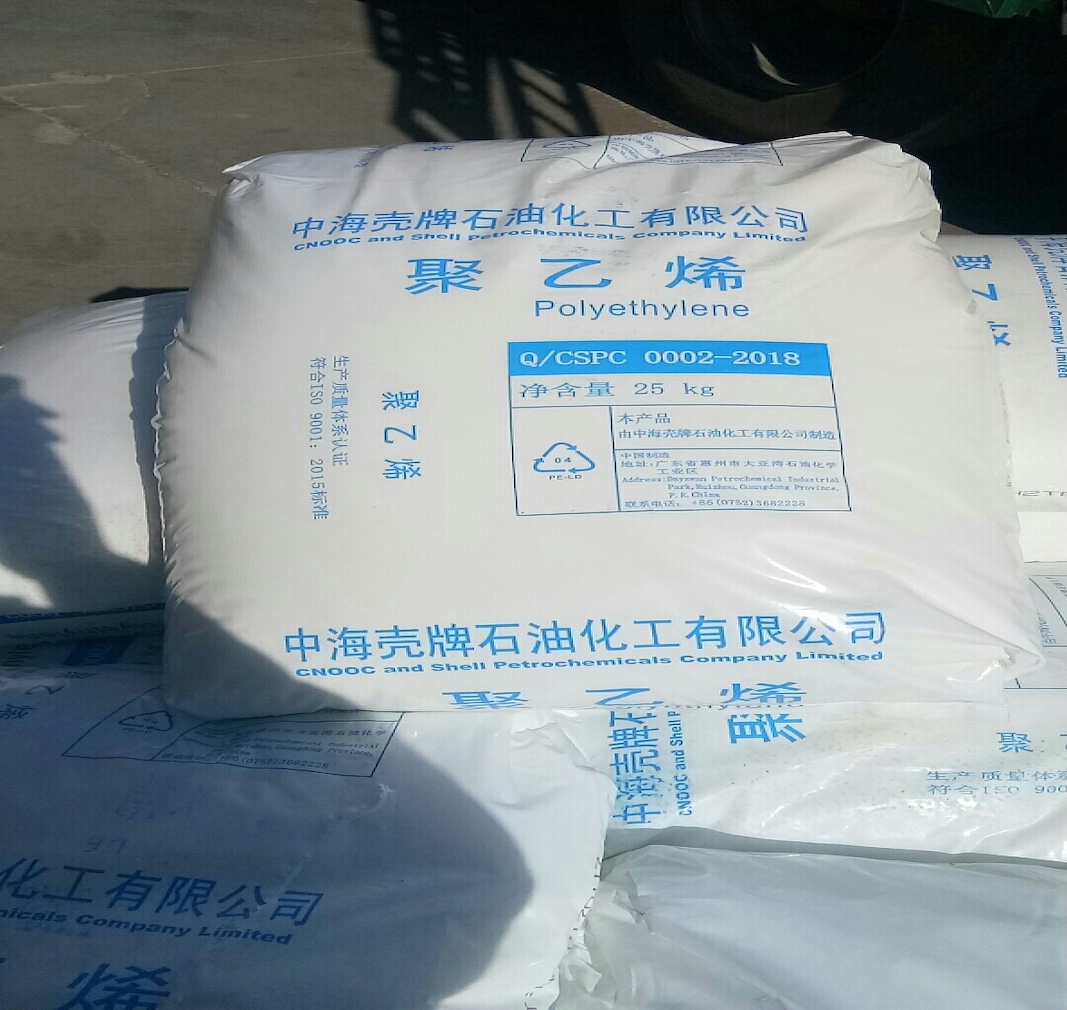
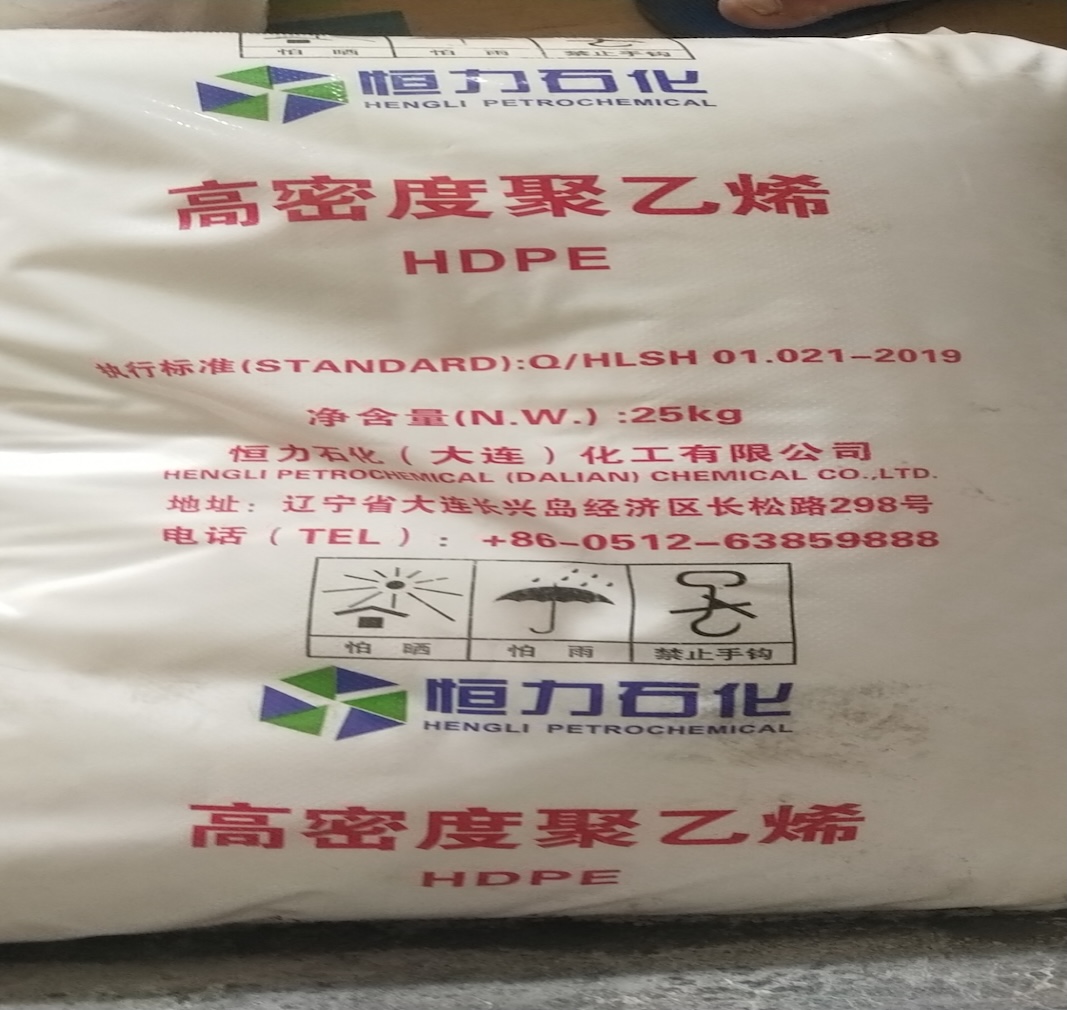
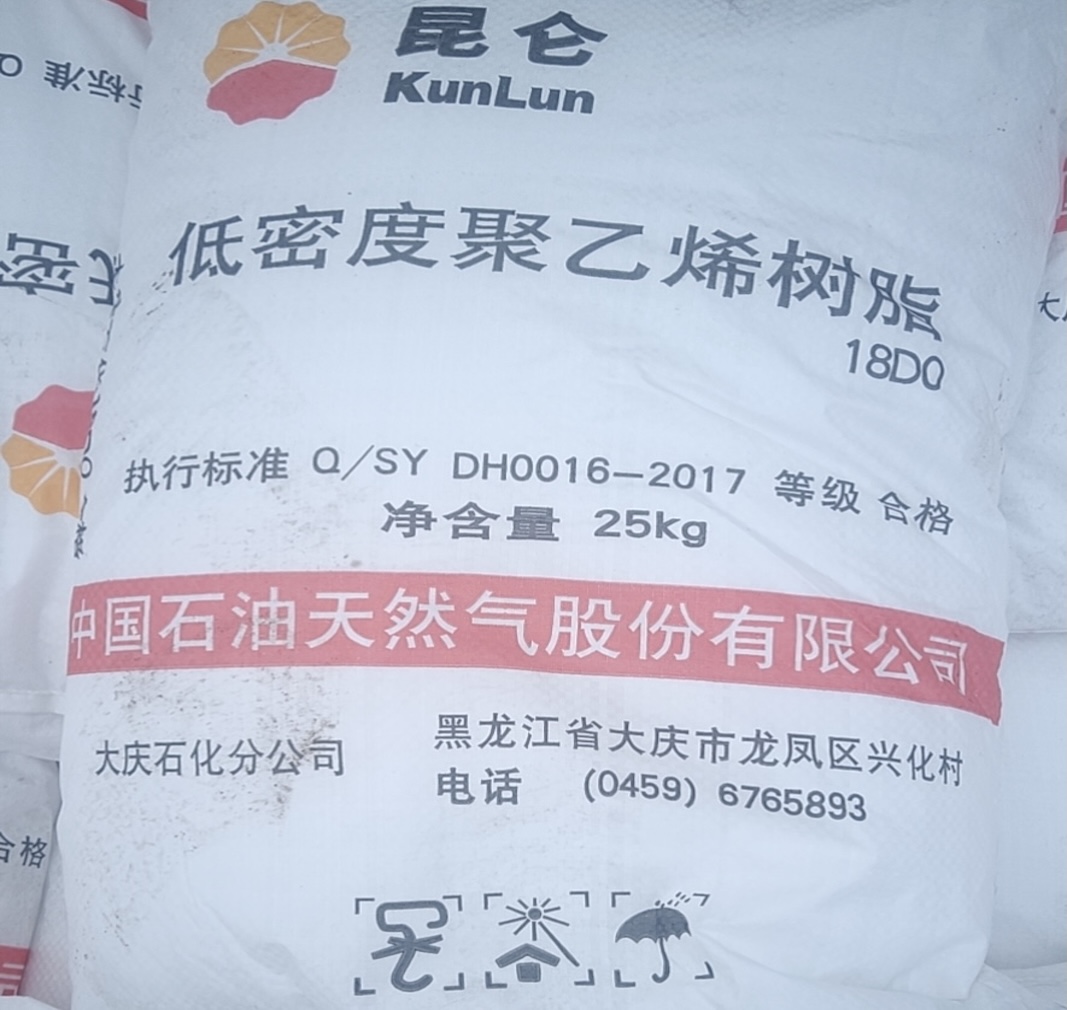
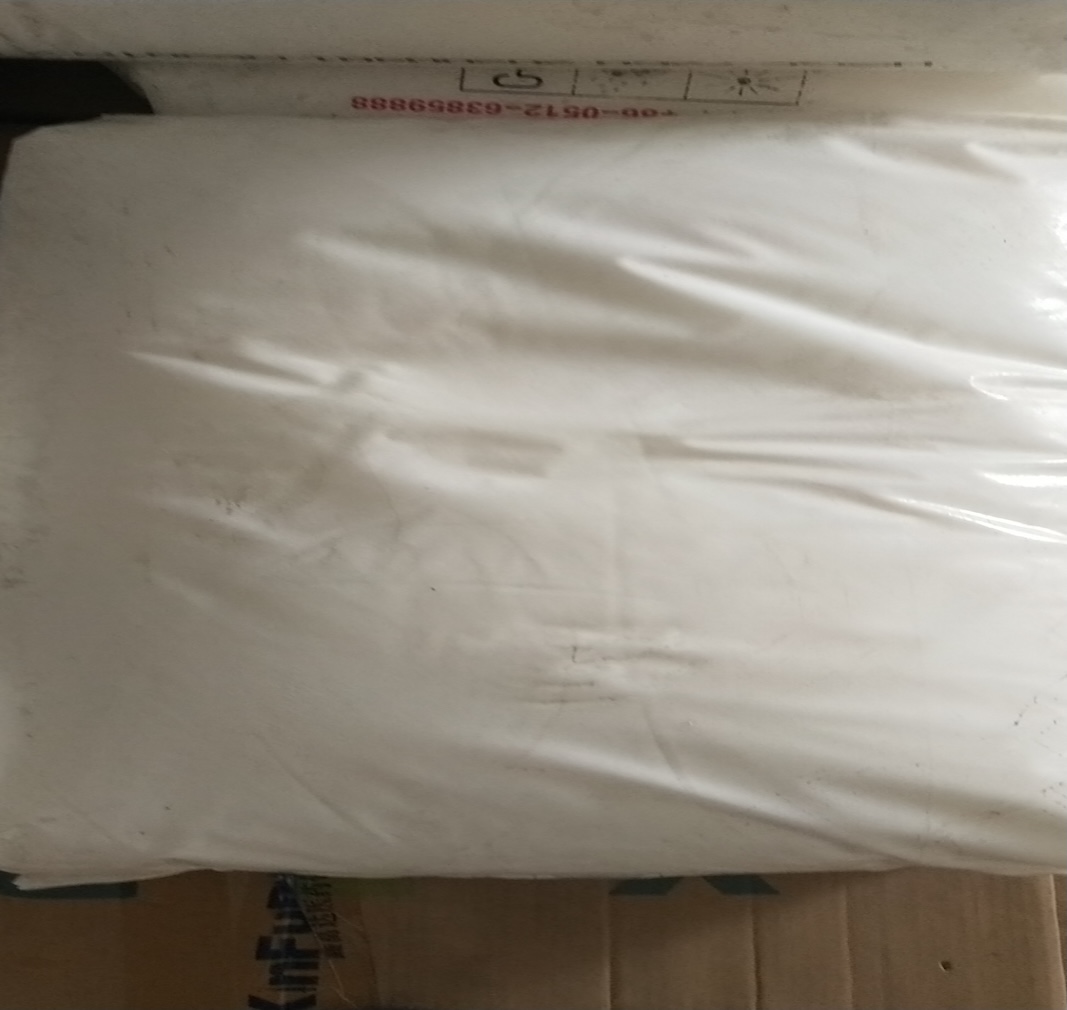
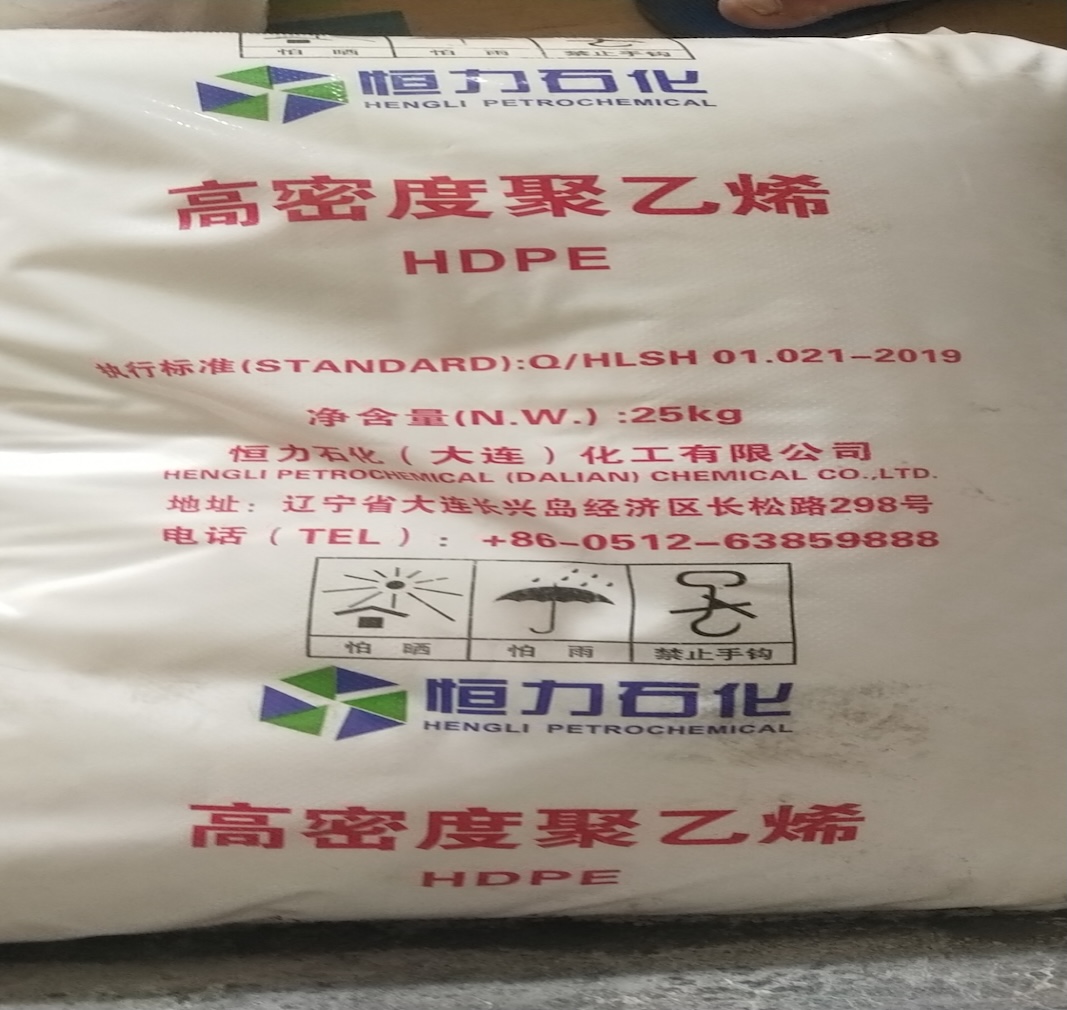
Utilizing high-density polyethylene streams modeled after virgin Hostalen GC 7260 allows manufacturers to produce sustainable, high-rigidity components without sacrificing structural performance. These engineered recycled plastic pellets maintain balanced melt flow characteristics and exceptional dimensional stability, making them ideal for demanding industrial molding operations. To explore related high-density polyethylene compound selections and technical parameters, review our specialized Hengli 7260 Product Overview or consult our comprehensive Hengli GC7260 Injection Molding Selection Guide.
Physical and Mechanical Property Profiles
| Parameter Specification | Typical Recycled Value Range | Standard Testing Methodology |
|---|---|---|
| Melt Flow Rate (MFR at 190°C / 2.16kg) | 7.5 - 9.0 g/10 min | ISO 1133 |
| Polymer Density | 0.955 - 0.962 g/cm³ | ISO 1183 |
| Tensile Stress at Yield | > 28 MPa | ISO 527 |
| Charpy Notched Impact Strength (23°C) | > 3.8 kJ/m² | ISO 179 |
| Vicat Softening Temperature | 72°C - 75°C | ISO 306 |
Rheological Uniformity and Molecular Behavior in Secondary Processing
Re-compounded polyolefin fractions originating from rigid injection molding architectures require careful thermal stabilization to duplicate the original performance metrics of prime polymers. Because the base architecture relies on a controlled high density with a melt mass-flow rate near 8.0 g/10 min, secondary resin processors benefit from predictable shear thinning behavior. During high-speed injection cycles, the pellets exhibit rapid plasticization and uniform cavity filling, which directly minimizes internal residual stresses and prevents post-molding warpage in thin-walled technical items.
Furthermore, maintaining tight control over contaminant filtration during extrusion pelletization ensures that the crystalline lamellae develop evenly upon cooling. This structural uniformity grants high surface hardness (Shore D ~61) and exceptional dimensional consistency, allowing manufacturers to substitute virgin feedstock with sustainable recycled alternatives across non-food-contact structural housings and rigid utility containers.
Industrial Injection Molding Optimization Advantages
Deploying recycled polymer variants engineered to match specific injection molding grades yields distinct manufacturing efficiencies across high-volume production lines:
- Cycle Time Reduction: Controlled melt viscosity allows for faster mold filling and quicker setup phases under standard thermal profile windows.
- Dimensional Precision: Low mold shrinkage characteristics prevent component distortion, maintaining tight tolerances across complex multi-cavity tool geometries.
- Rigidity Retention: High crystallinity ensures optimal load-bearing strength, resisting deformation under sustained mechanical stress.
Frequently Asked Questions
How does the melt flow rate of recycled GC 7260 pellets influence multi-cavity mold filling?
An optimized melt flow rate around 8.0 g/10 min ensures balanced fluidity, allowing the polymer melt to distribute evenly into intricate mold channels simultaneously without causing excessive injection pressure spikes or flash formation.
What barrel temperature profiles are recommended when transitioning production lines to recycled HDPE pellets?
Processors typically operate effectively within a melt temperature window of 180°C to 250°C, adjusting rear-to-front zone heaters gradually to prevent localized overheating and maintain uniform melt homogeneity.
Can these secondary polymer pellets achieve adequate structural rigidity for load-bearing industrial storage components?
Yes. Because the material retains a high tensile modulus and robust yield strength derived from its high-density polyethylene heritage, it provides exceptional structural rigidity suitable for heavy-duty industrial crates and utility panels.
How do operators minimize sink marks in thick-walled sections during injection molding?
Sink marks are effectively controlled by optimizing packing pressure phases, extending hold times slightly to compensate for volumetric contraction during cooling, and ensuring consistent mold cooling water circulation.
Sustainable Manufacturing Collaboration
Integrating high-performance recycled polymer alternatives into your production lines advances corporate sustainability initiatives while preserving strict structural tolerances and mechanical resilience. Connect with our polymer engineering team today to request custom technical datasheets, material trial lots, or processing recommendations tailored to your manufacturing requirements.