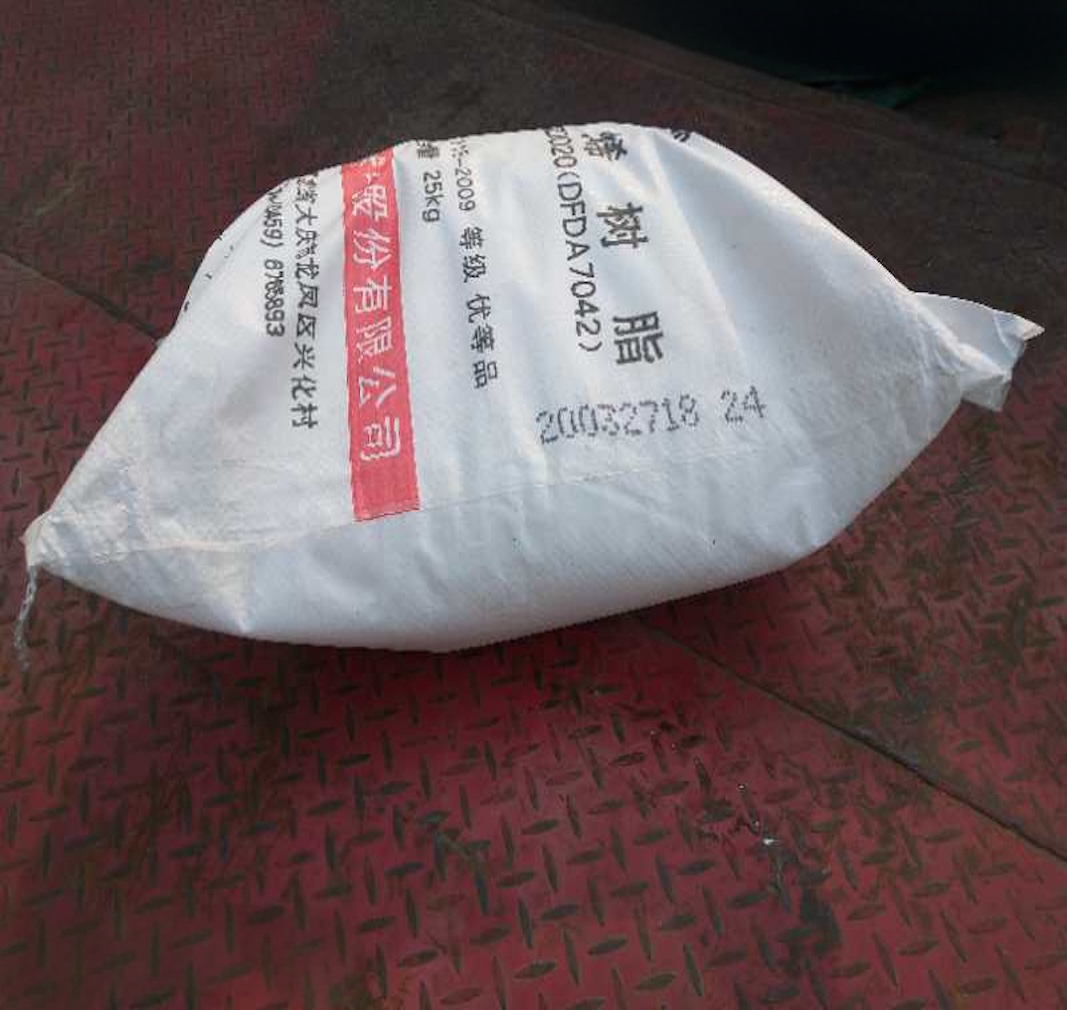
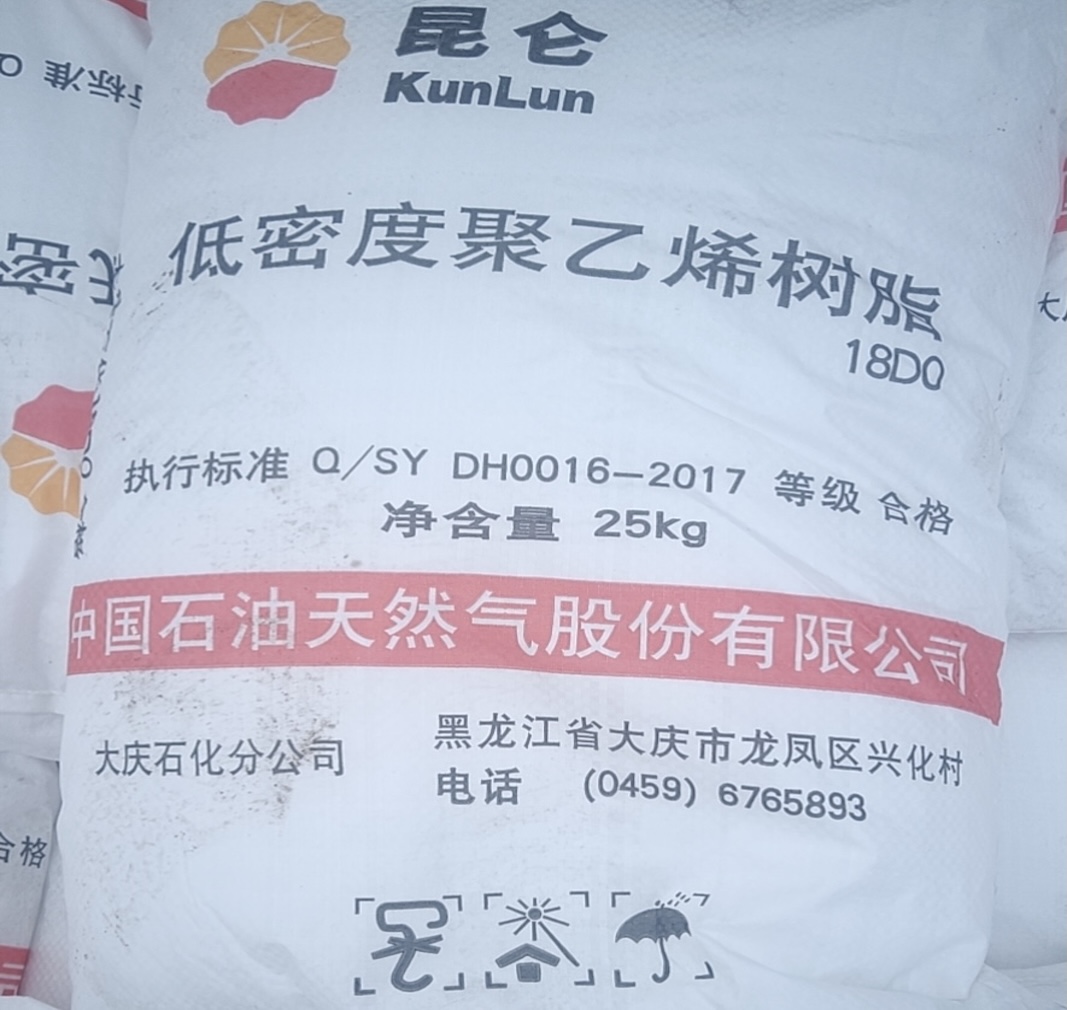
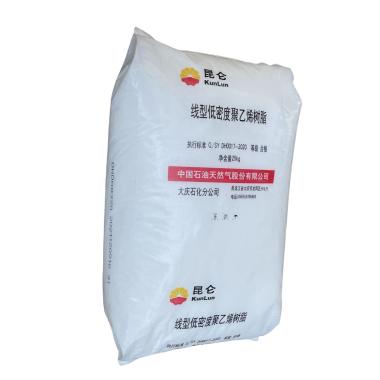
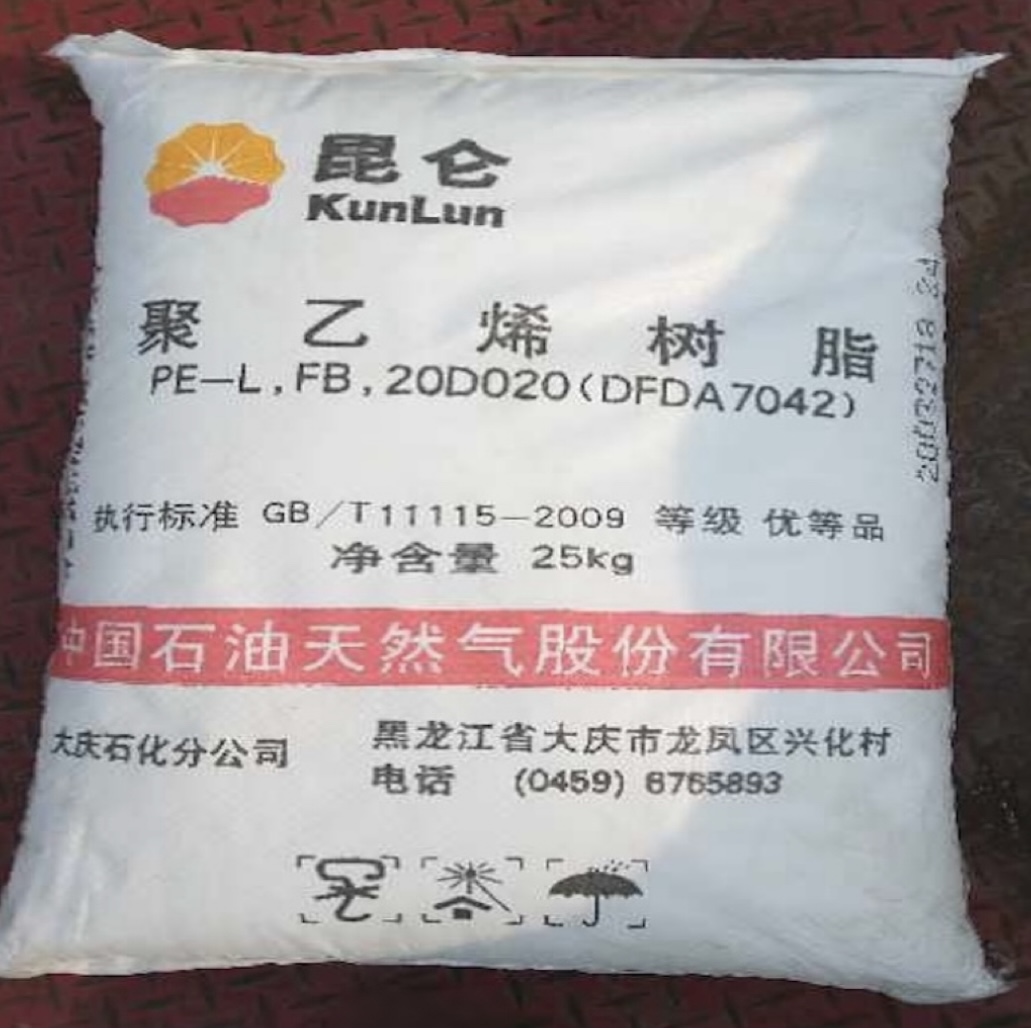
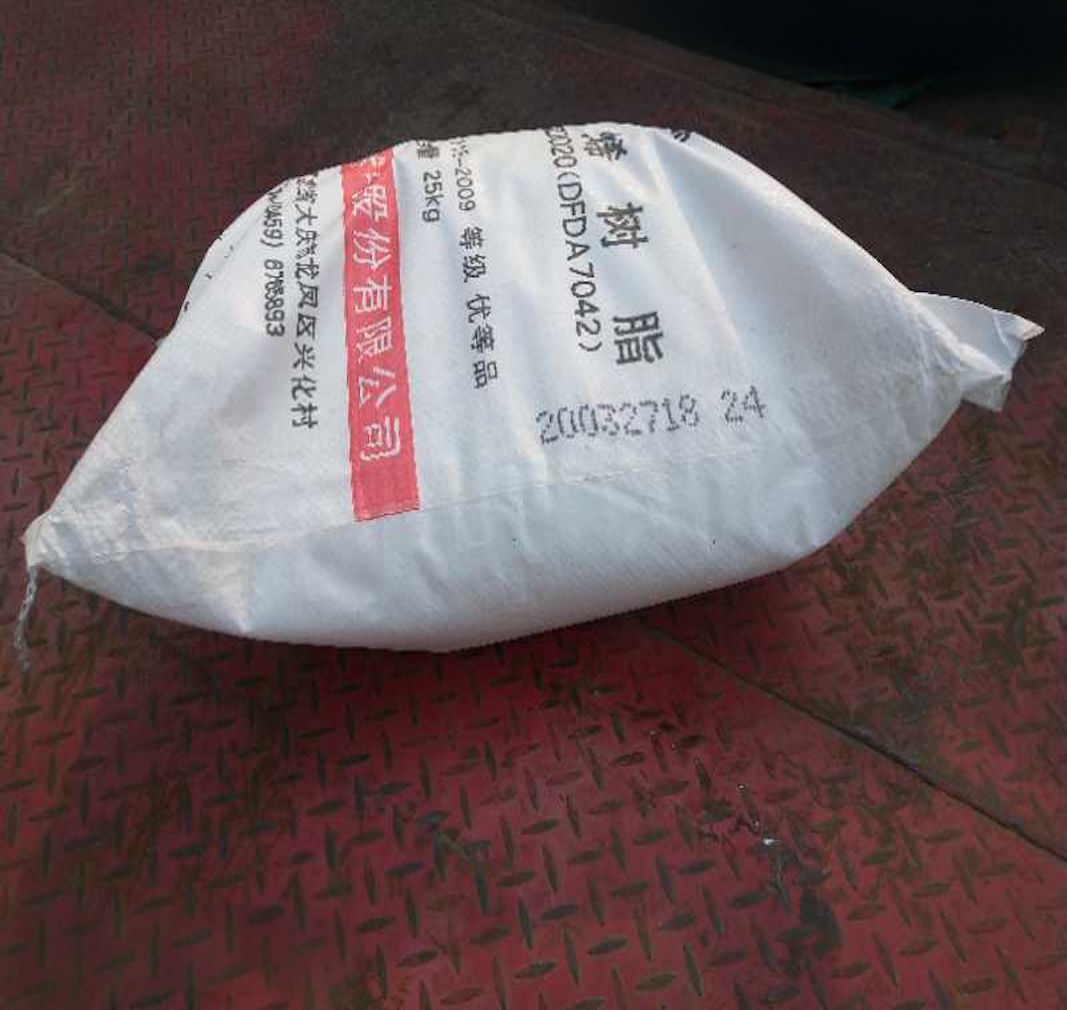
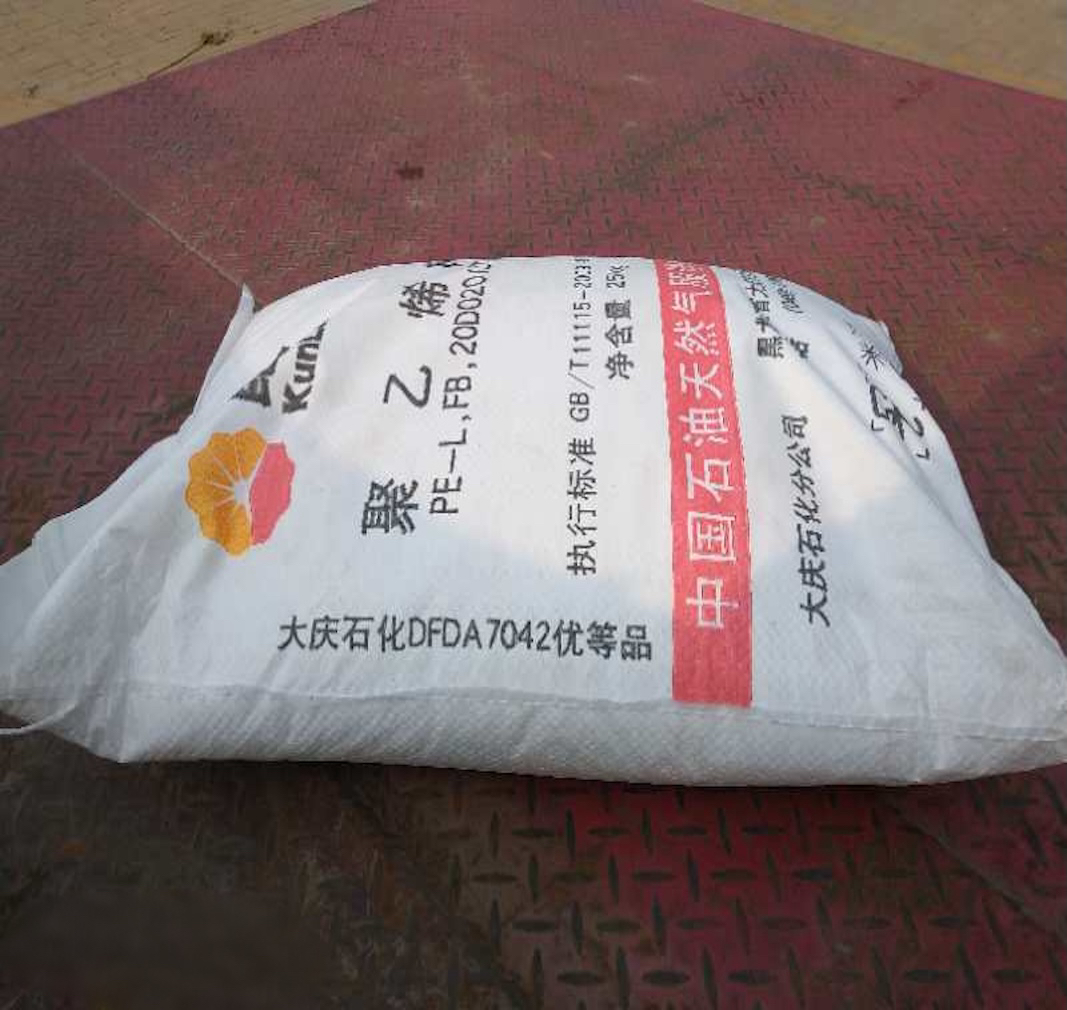
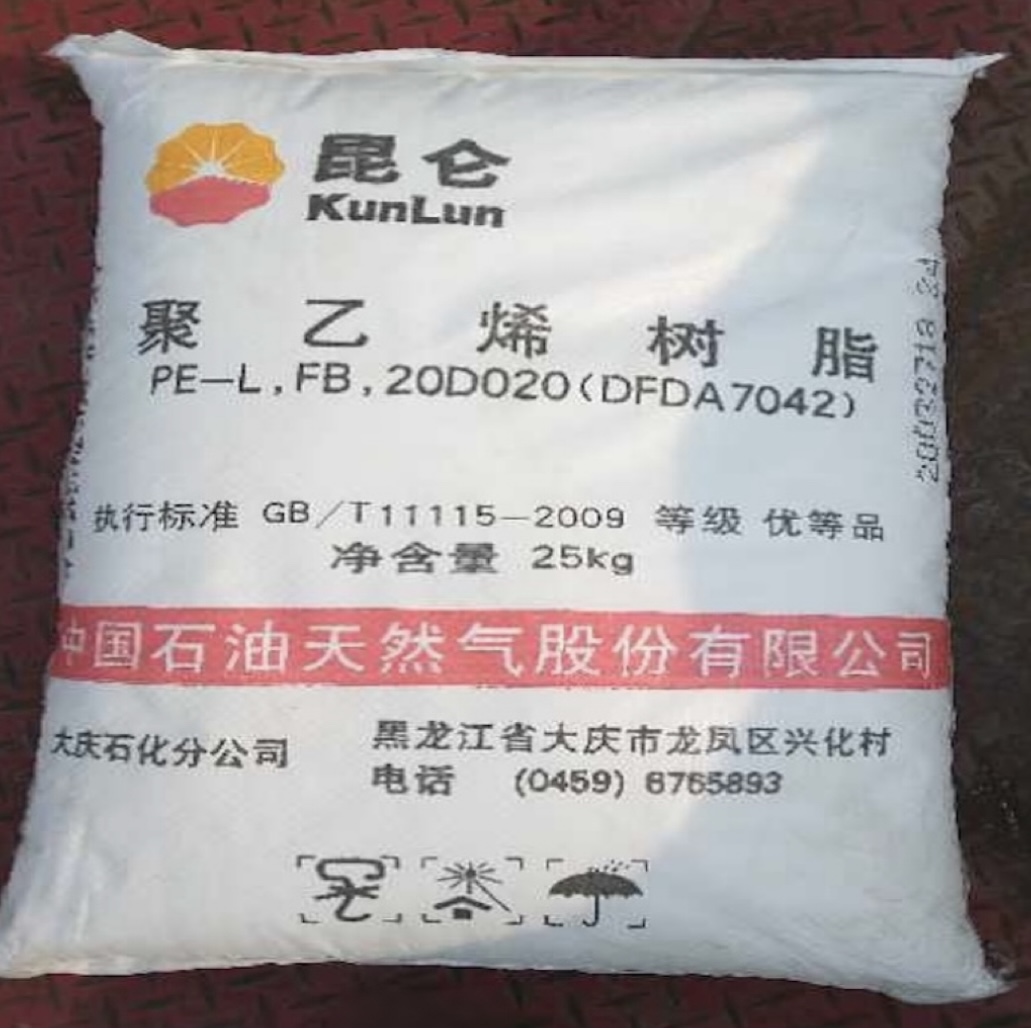
Daqing 7042 is a butene-copolymer LLDPE that film converters use as the base of blown stretch wrap. This page looks at how LLDPE 7042 resin for stretch film behaves on the line, what its typical film data means for a wrapped pallet, and where it sits next to cling layers and metallocene grades.
Why Daqing 7042 Works as the Body Resin in Blown Stretch Wrap
Most listings describe 7042 as a general film resin and stop there. For stretch wrap, the more useful fact is what the grade leaves out: it is supplied without slip or antiblock additives. Those additives lower surface friction, which is exactly what a wound pallet wrap cannot afford, because layers must grip each other. A clean base resin leaves the converter in control of surface behavior.
LLDPE on its own does not hold much cling once it is pulled to roughly 200% elongation, so converters add polyisobutylene or run a cling-rich outer layer. Daqing 7042 gives that system a neutral foundation, with no migrating additive to compete with the cling package. When a customer reports weak cling on rolls made from this grade, our first check is usually the cling masterbatch dosing and the age of the roll, since cling typically builds over the first days after winding. The resin itself is rarely the cause.
The same grade also runs ordinary packaging and agricultural film. For that wider picture, see our Daqing 7042 blown film resin page.
Typical Film Properties and What They Mean on a Pallet
| Property | Typical value | Relevance to stretch film |
|---|---|---|
| Density | 0.918 g/cm³ | Soft, flexible base that stretches without stress whitening |
| Melt flow rate (190°C / 2.16 kg) | 2 g/10 min | Stable bubble, good drawdown on blown lines |
| Peak melting temperature | 121°C | Sets the upper edge of the processing window |
| Tensile stress at yield (MD/TD) | 11 / 10 MPa | Balanced start of plastic stretch in both directions |
| Tensile stress at break (MD/TD) | 49 / 29 MPa | Reserve strength during pre-stretch |
| Elongation at break (MD/TD) | 600 / 800 % | Room for high stretch ratios on hand and machine wrap |
| 1% secant modulus (MD/TD) | 190 / 220 MPa | Film stiffness during unwinding and application |
| Dart drop impact | 66 g | Resistance to impact at pallet corners |
| Elmendorf tear (MD/TD) | 85 / 400 g | Tear behavior around nicks and sharp edges |
| Gloss (45°) / Haze | 76 / 4.4 % | Visible load and clean shelf appearance |
Typical values from the producer datasheet, measured on blown film. They are reference figures, not a specification, and actual film results depend on gauge, blow-up ratio and additives.
One number deserves attention: tear strength is far lower in the machine direction than across it. In practice, a film made from this resin tears more readily along its length once a nick starts, so clean slitting and careful roll-edge handling matter more than a small change in gauge.
Running 7042 on Blown and Cast Stretch Lines
Blown line. This is the grade's home ground. Bubble orientation in both directions supports puncture resistance and load holding in hand-wrap gauges. Higher drawdown ratios help film strength, and steady cooling keeps clarity and surface quality consistent from roll to roll.
Cast line. An MFR of 2 sits at the low end for cast processing, and producers usually point cast work to a higher-flow sister grade. In our experience, converters on cast lines use 7042 as one component of a blend rather than as the whole recipe, after a short trial for neck-in and gauge control.
Formulation Notes from Converter Trials
- Pair it with metallocene LLDPE. Let 7042 carry the bulk and the cost, and let a metallocene component carry high pre-stretch performance when the film is pushed thinner.
- Keep the cling layer separate. A cling package works better on an outer layer than spread through the whole body, and the body then stays easy to unwind.
- Reuse clean edge trim. Virgin edge strips from the same recipe can be fed back in small proportions without disturbing cling, provided they stay free of dust and mixed grades.
- Purge after slip jobs. Slip additive left in the screw from an earlier job is a common reason for sudden cling loss, so purge before a stretch run.
Typical end uses for LLDPE 7042 resin for stretch film include hand pallet wrap, bundling, protective wrapping of hardware parts and light-duty machine wrap in blends. For the broader reasoning behind choosing this grade for ordinary film work, read why Daqing 7042 is a preferred choice for ordinary packaging and agricultural films.
Frequently Asked Questions
What is the difference between 7042 and 7042N in the market?
Naming varies by producer and trader. Listings marked 7042N are usually sold as the non-slip, non-antiblock version for stretch film, while plain 7042 can refer to the same base grade. Ask for the additive statement on the datasheet rather than relying on the suffix.
How much cling additive does a 7042-based film need?
Converters commonly add polyisobutylene at a few percent, or place a cling-rich layer on the outside. The right level depends on wrap temperature, stretch ratio and how long the load stays wrapped, so start with a small trial roll and adjust from there.
Can film made from this resin go in household plastic bag recycling?
Stretch wrap made from polyethylene is generally accepted at store drop-off points that collect clean plastic film, where such programs exist. Remove tape and labels first, and keep the film dry and free of food residue.
How far can 7042-based film be down-gauged before load holding drops?
Hand-wrap film is commonly made around 20 to 23 microns from this type of resin. Going thinner usually calls for a metallocene component or a pre-stretch machine, so test load holding on your own pallets before cutting gauge further.
Sourcing Note for Wrap Converters
Daqing 7042 is a practical base for converters who control cling in their own formulation. If you are building a recipe around LLDPE 7042 resin for stretch film, send us your line type, target gauge and current resin, and we will quote against your use case.