Sibur 20211NP LLDPE: What Type of Film Resin is It? A Guide to Imported Blown Film Resin Selection
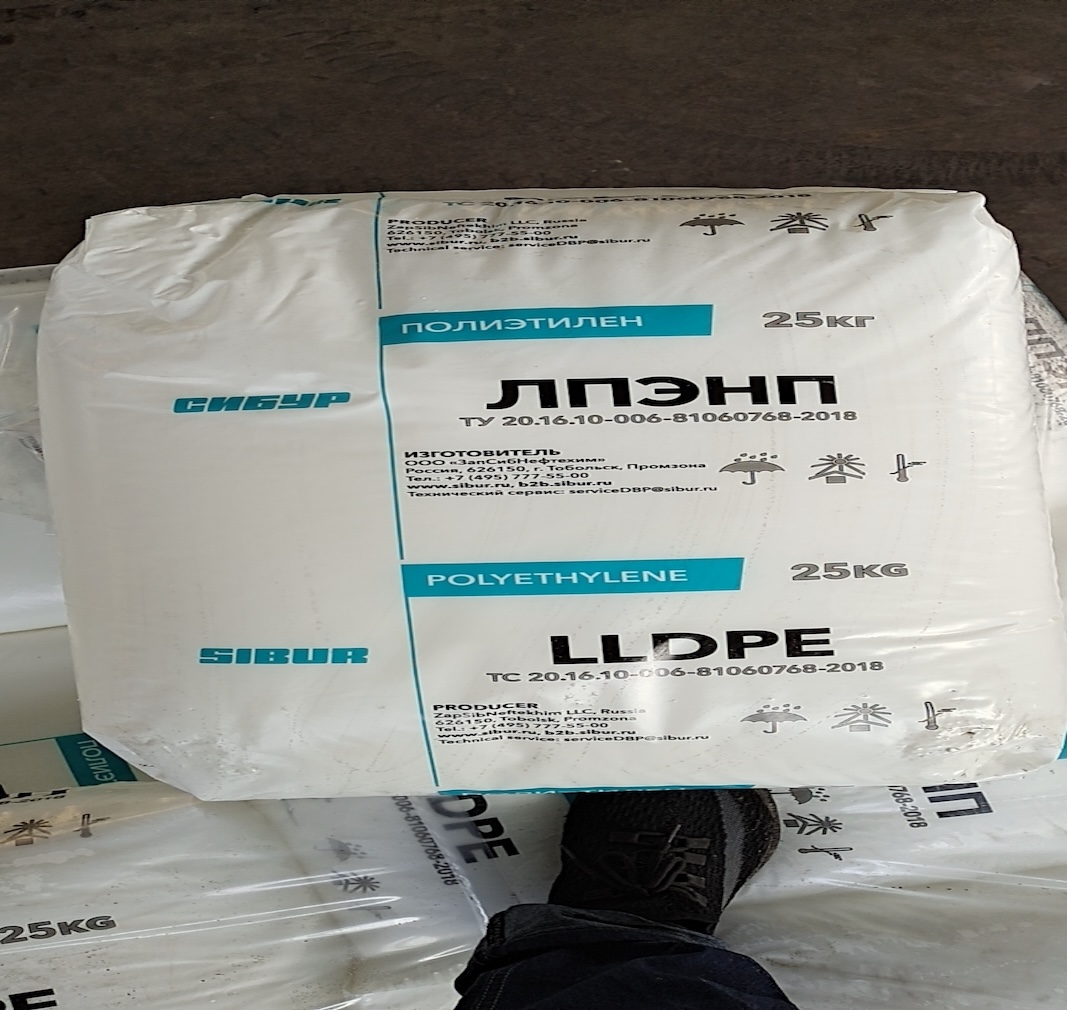
When film manufacturers source imported LLDPE, Sibur 20211NP is a widely available grade, yet many buyers do not fully understand where it sits in the LLDPE family or what its additive setup means for the line. This guide explains the classification logic in plain terms, without piling on datasheet numbers.
Quick answer: Sibur 20211NP is a butene-copolymer, general-purpose blown film LLDPE made by Russia’s Sibur, with a typical melt flow rate of 2.0 g/10min and a density of 0.921 g/cm³. It is supplied without slip and without antiblock, so you control the additive package yourself.
How is LLDPE Classified by Comonomer?
LLDPE is split into three families by the comonomer used in the reactor: butene (C4), hexene (C6) and octene (C8). Sibur 20211NP follows the butene route, the most widely used option worldwide because it balances performance and cost.
The trade-off is real. A published study of how comonomer type affects blown film found that, in resins that were otherwise nearly identical, butene films were clearly weaker in dart impact, impact toughness and tear strength than hexene films, and octene films performed best. That study used metallocene resins, so treat the gap as a direction, not an exact number for any one grade. The practical meaning: butene is the economy choice, and it fits films that do not need top impact strength.
| Comonomer | Relative film toughness | Relative cost | Typical use |
|---|---|---|---|
| Butene (C4) | Baseline | Lowest | General bags, liners, composite inner films |
| Hexene (C6) | Higher | Higher | Tougher or thinner film |
| Octene (C8) | Highest | Highest | Premium, down-gauged film |
Four Subcategories of General-Purpose Blown Film LLDPE
Blown film LLDPE falls into four performance-oriented groups. Sibur 20211NP belongs to the first one.
| Group | Focus | Typical product |
|---|---|---|
| Balanced general blown film | Toughness, transparency and processing stability | Shopping bags, industrial liners, composite inner films |
| Heavy-duty packaging | Low melt flow rate, superior puncture resistance | Heavy industrial bulk sacks |
| Metallocene premium | High transparency and heat-seal strength | High-end food cling wrap |
| Anti-aging agricultural | Pre-mixed UV stabilizers | Long-term outdoor greenhouse film |
Sibur 20211NP is not optimized for heavy loads, ultra-high transparency or long-term outdoor aging. Its strength is universal compatibility, and it serves as a mainstream imported counterpart to domestic 7042 LLDPE.
What does “No Slip, No Antiblock” Mean for Your Line?
This is the most important practical point. Polyethylene film tends to stick to itself, especially when wound under pressure. Antiblock additives work by leaving tiny bumps on the film surface, which keep layers slightly apart and lower film-to-film friction. Slip additives do a different job: they migrate to the surface and form a thin layer that reduces the coefficient of friction, and the two additives work well together.
A resin with neither additive gives you a clean base. You choose the antiblock and slip masterbatch, the loading and the supplier for each film. The cost of that freedom is responsibility: if you add nothing, rolls can block and bag film becomes hard to open. Add antiblock first, add slip only if the line or the bag machine needs it, and measure friction again after 24 hours instead of only on extrusion day.
There is an upside for printing and lamination. Slip agents can migrate to the surface and contaminate it, so a film without them starts from a cleaner surface. Polyethylene still has low surface energy, though, so corona treatment remains necessary before printing or laminating, and the treatment level fades over days to months, so place the treater close to the print or lamination station.
Sibur 20211NP vs Shenhua 7042: How do They Compare?
Buyers often ask whether 20211NP can stand in for 7042. Both are butene general-purpose film grades with a similar melt flow rate near 2.0 g/10min, so they can be run on similar lines. The main difference is the additive package.
| Item | Sibur 20211NP | Shenhua 7042 |
|---|---|---|
| Comonomer | Butene | Butene |
| Origin and feedstock | Imported (Russia), petroleum-based | Domestic, coal-based |
| Melt flow rate | 2.0 g/10min | 2.0 g/10min |
| Slip agent | None | Pre-added |
| Antiblock agent | None | None |
Because the slip content differs, run a short trial and re-tune the process before you switch volume. Our guide on what type of LLDPE Shenhua 7042 is covers the trial method in detail.
Which Number Should You Ask for: Dart Impact
If you compare two LLDPE offers, ask for the dart impact result. The ASTM D1709 test drops a dart onto clamped film and reports the weight, in grams, at which half the samples fail. Make sure the film gauge matches. A dart value on 25-micron film cannot be compared with one on 50-micron film. The full property table for this grade, including its dart impact value, is on the Sibur 20211NP product page.
Suitable and Unsuitable Applications
Suitable: supermarket shopping bags, general garbage bags, industrial liners, composite food inner films and regular single-layer printed film.
Not suitable for standalone use: long-term outdoor greenhouse film (no UV stabilizers), heavy-duty industrial bulk sacks, and ultra-thin high-speed stretch wrap.
For short-cycle mulch film it can be blended in small proportions, but it is not a substitute for a purpose-made anti-aging agricultural grade.
Selection FAQ
Why choose butene LLDPE instead of hexene or octene?
Cost. Butene gives balanced performance at the lowest price. Move up to hexene or octene only when the film needs higher impact strength or down-gauging.
Can Sibur 20211NP directly replace 7042?
They are similar general-purpose butene grades and can be blended to cut cost. Because 7042 carries pre-added slip and 20211NP does not, run a small trial and adjust the process first.
What should I add to a resin that has no slip or antiblock?
Start with an antiblock masterbatch to prevent roll blocking. Add slip only if friction on the winder or bag machine requires it, and recheck friction after 24 hours.
Conclusion for Resin Selection
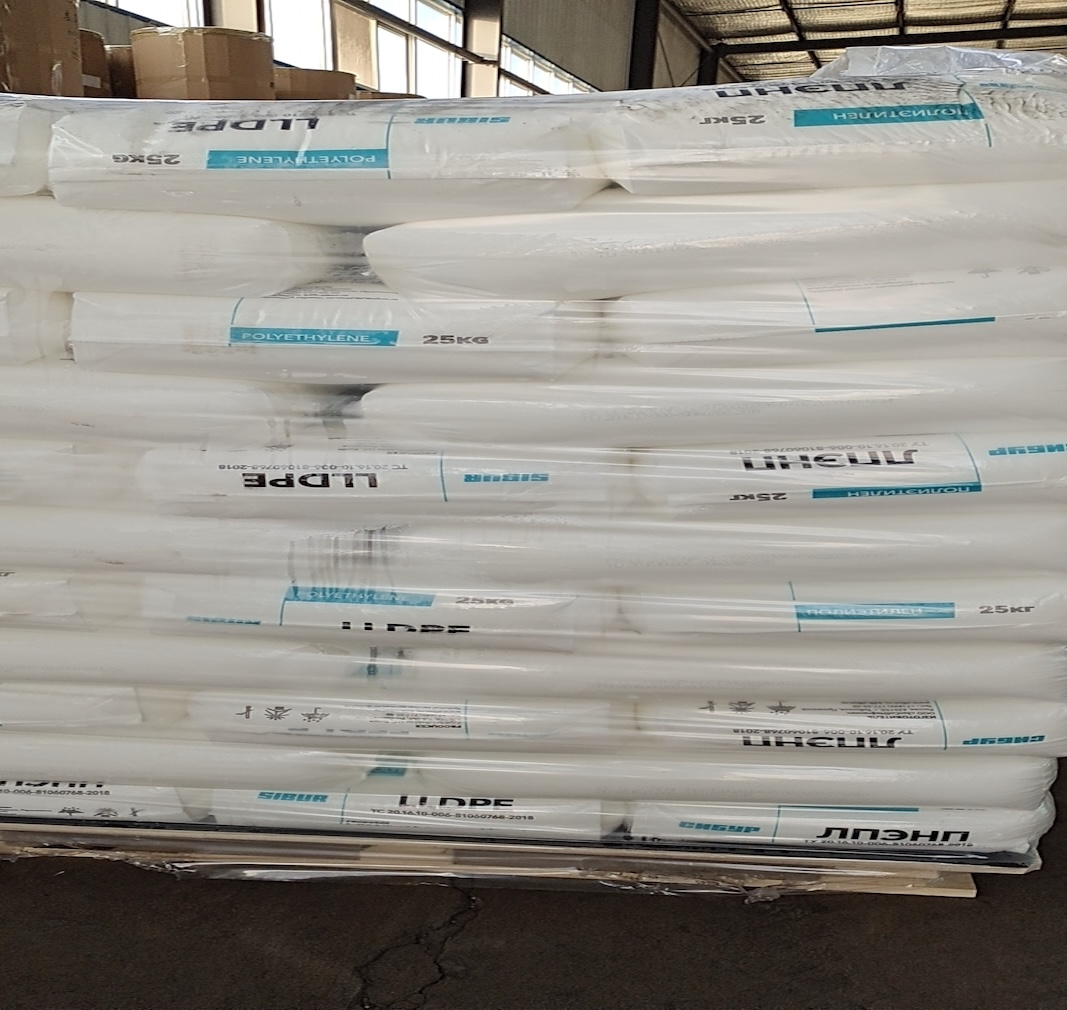
Choose general-purpose blown film LLDPE by line conditions and product type. Sibur 20211NP is an imported butene LLDPE with no built-in slip or antiblock, which keeps formulation in your hands, with wide application coverage and steady supply for mass production of general packaging film.
View the Sibur 20211NP product page for specifications, processing guidance and quotation.
Sources
PFFC. The Effects of Comonomer Type on the Blown Film Performance of LLDPE Resins Made Using a Metallocene Single-Site Catalyst
Ampacet. Reasons for Using Antiblock Additives
Plastics Engineering. Modifying the Slip of Plastic Films with Additives
PFFC. Enhance Surface Performance with Corona Treatment in Printing and Laminating Applications
Intertek. Impact Resistance of Plastic Film by the Free-Falling Dart Method, ASTM D1709 / ISO 7765-1