LLDPE vs HDPE: Key Differences and How China Coal 7042 Fits In
Buyers often pick polyethylene by density alone. Then the film tears, the bags feel stiff, or the extruder struggles. I have seen this many times.
LLDPE is softer and tougher, with a density of about 0.916–0.940 g/cm³. HDPE is denser and stiffer, at about 0.94–0.97 g/cm³. Choose LLDPE for flexible film and bags. Choose HDPE for rigid parts, pipes, and bottles.
Here is the part most pages skip. The name 7042 shows up on many listings, and the numbers behind it do not always agree. I will compare the two resins first. Then I will show where China Coal 7042 fits and what I check at Chengnuo before a purchase. Read on, because one spec mismatch can ruin a run.
What is the Difference between LLDPE and HDPE?
Two PE pellets look the same in a bag. They act very differently on the line, and a wrong pick costs money.
LLDPE has a linear chain with short branches. HDPE has almost no branches. That small change gives LLDPE more flexibility and puncture resistance. It gives HDPE more stiffness, higher density, and a higher melting point.
Structure Sets Behavior
I start with the chain. LLDPE is made by copolymerizing ethylene with butene, hexene, or octene. The short branches stop the chains from packing tightly. So the resin stays softer. HDPE packs tighter. It is denser and more crystalline, and it melts at roughly 130–137°C. Most competing pages stop here. I think density is only the first filter. In my work, chain structure also tells me how a resin will behave in a bubble, in a mold, or under load. The table shows the basics I use to screen a resin.
| Property | LLDPE | HDPE |
|---|---|---|
| Density (g/cm³) | 0.916–0.940 | 0.94–0.97 |
| Chain structure | Linear with short branches | Linear, almost no branches |
| Feel | Flexible and tough | Stiff and rigid |
| Melting behavior | Relatively low | About 130–137°C |
| Typical products | Film, bags, liners | Bottles, crates, pipes |
Notice the overlap near 0.94 g/cm³. A resin at that value sits on the border between the two families. A label alone will not tell you which side it acts like. I handle such grades with care, and I will come back to this point later. Melting behavior and flexibility give better clues than the density number.
How Do LLDPE and HDPE Perform Differently in Real Applications?
A resin can pass a datasheet and still fail in the field. Real use shows the gap fast.
LLDPE performs best in thin, tough film such as bags, liners, stretch wrap, and agricultural film. HDPE performs best where shape matters, such as bottles, crates, buckets, and pipes. Film needs toughness. Rigid parts need stiffness.
Film Versus Rigid Parts
In film, LLDPE can be downgauged. A thinner film keeps its strength. I have seen converters cut film thickness and save resin this way. LLDPE also resists puncture and environmental stress cracking. The trade-off is processing. It is harder to process than LDPE, with lower gloss and a narrower heat-sealing range. HDPE has the opposite profile. It holds its shape and resists deformation. But it brings higher shrinkage in molding, because of its higher crystallinity. In bag lines, many makers blend the two. They add some HDPE for stiffness. They keep LLDPE for tear and puncture strength. So the real question is not which resin wins. The real question is which job you need done. I ask three things first: how thin is the part, how much load will it carry, and how will it be sealed or joined? The answers decide the resin, not the brochure.
Where Does China Coal 7042 Fit in LLDPE Material Selection?
Many buyers see "7042" and assume every supplier sells the same resin. That assumption is risky.
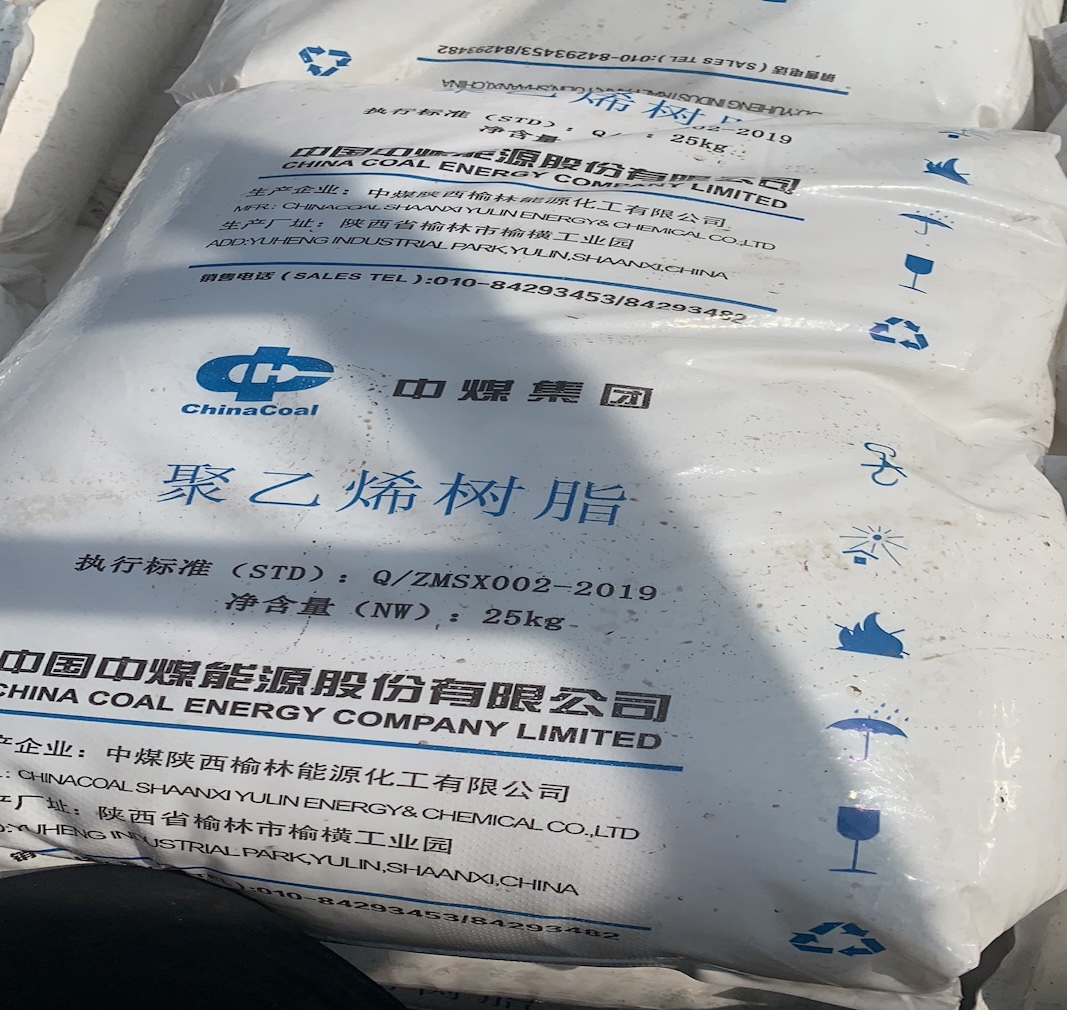
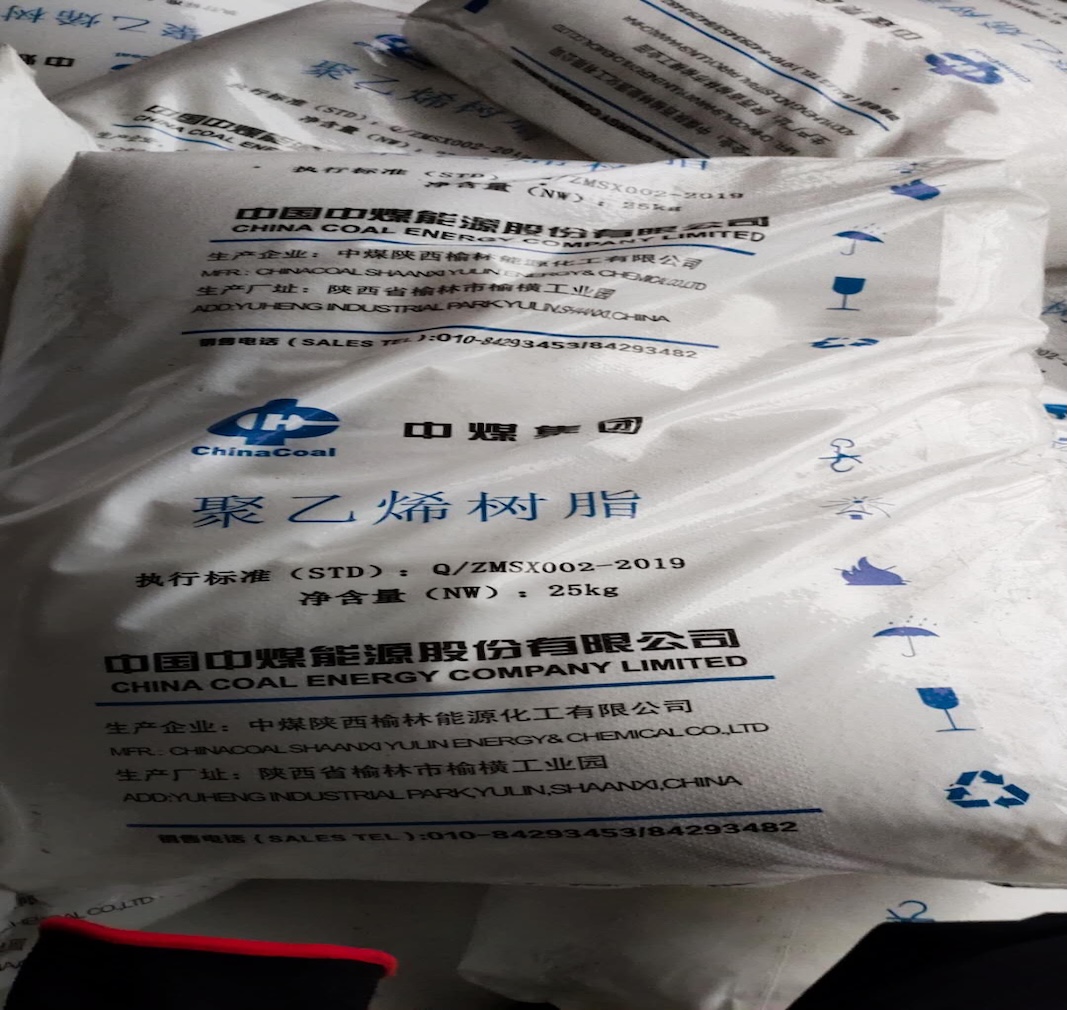
China Coal 7042 is sold as a film-grade LLDPE. Listings point to blown film, shopping bags, and liners. It fits flexible packaging, not rigid molding. Always confirm the exact datasheet, because the code 7042 appears under several producers.
One Code, Many Resins
I searched this keyword and read the top results. Most are supplier listings. They show price, minimum order, and bag use. Few show full data, and none explain how the grade compares with HDPE. The same code also appears on a datasheet for Luban DFDA-7042, made by OQ. That grade uses butene and a thermal stabilizer, and it targets blown film. Other listings carry Sinopec and CHN Energy names. So the number works as a family label, not a promise. Two lots with the same code can still differ in melt index, comonomer, or additives. At Chengnuo, I treat a grade name as a starting point. Then I match the datasheet to the job, line by line. I place China Coal 7042 in the film group: bags, liners, and general packaging. That is where its listed uses point. For stiff goods, I look at HDPE instead. This simple sorting step saves buyers from testing the wrong resin for weeks.
Which Factors Matter More than Density When Choosing LLDPE or HDPE?
Density gets all the attention. Yet two resins with the same density can run very differently.
Melt index, comonomer type, additive package, and processing window often matter more than density. These factors control bubble stability, film strength, sealing, and extruder load. Check them before you compare price.
Four Checks I Use
Melt index comes first. ASTM D1238 defines the test. It is mainly a quality-control value. It does not predict every processing result, so I never use it alone. Two resins with one value can still run differently on the same line. Comonomer comes second. Butene, hexene, and octene give different tear and puncture results, and hexene usually gives tougher film than butene. Additives come third. Slip, antiblock, and stabilizers change handling, blocking, and sealing. The OQ grade lists a thermal stabilizer, while many 7042 listings list nothing. Process comes fourth. LLDPE is stiff in shear, so it loads the extruder more than LDPE does. I tell customers to ask for all four items in writing. In my experience, a supplier who answers quickly and clearly usually runs a steadier process too.
How Can Processors Evaluate China Coal 7042 before Production?
A bad lot is cheap to catch in the lab. It is very costly on the line.
Request the certificate of analysis, confirm melt index and density, check comonomer and additives, then run a small blown-film trial. Compare bubble stability, motor load, dart impact, and seal strength before you place a full order.
Resolve Spec Conflicts First
I found a clear example. One CHN Energy 7042 listing shows a density of 0.946 g/cm³, a melt index of 0.18, and a dart drop of 90 g. Its title says Mi=2. Another DFDA-7042 listing gives a melt index of 2.0 and a density of 0.918. A density of 0.946 sits in the HDPE range. A melt index of 0.18 is more than ten times lower than 2. These cannot be the same resin. Ask your supplier which one you will receive. Then test it. I run three steps. First, I compare the certificate with a retained sample. Second, I run a short film trial at normal line speed. Third, I log motor load, bubble stability, and dart drop on the first and last roll. If you blend in HDPE for stiffness, test the blend ratio too. Keep the retained sample and the test log, so you can trace any later problem to one lot.
Conclusion
LLDPE and HDPE do different jobs. China Coal 7042 suits flexible film, but only after you verify its datasheet and test it on your line. At Chengnuo, we measure first, then buy.
References
Linear low-density polyethylene – Wikipedia
LDPE vs HDPE: Understanding the Differences in Properties, Applications, and Processing – FirstMold
ASTM D1238: Standard Test Method for Melt Flow Rates of Thermoplastics by Extrusion Plastometer – ASTM International
LUBAN™ DFDA-7042 Datasheet – UL Prospector
China LLDPE 7042 Wholesale, Manufacturers, Price – Made-in-China.com
LLDPE Film Grade Chn Energy 7042 Without Ad, Mi=2 – Made-in-China.com