Which Is Better: Yanshan LD100AC or Yanchang 7260?
A bag that splits at the seal costs a customer more than the resin ever saved. The wrong grade choice shows up on the line, not on the data sheet.
Neither grade wins in every case. Yanshan LD100AC suits flexible film runs that need steady melt flow and strong sealing, while Yanchang 7260 fits a different mix of equipment and film goals. The better pick depends on your bag design, film thickness, and line setup, not the name on the bag of pellets.
I have compared many polyethylene grades over the years, and this pair comes up often. Buyers ask me which one is "better" almost every week. I always give the same answer: it depends on what you make and how you make it. Let me walk through what each grade is, where LD100AC gets used, and why it keeps showing up in bag production. Stay with me, because the details below change how you should read a data sheet.
What Are Yanshan LD100AC and Yanchang 7260?
A grade name is just a label. It tells you almost nothing about how the resin will behave on your line.
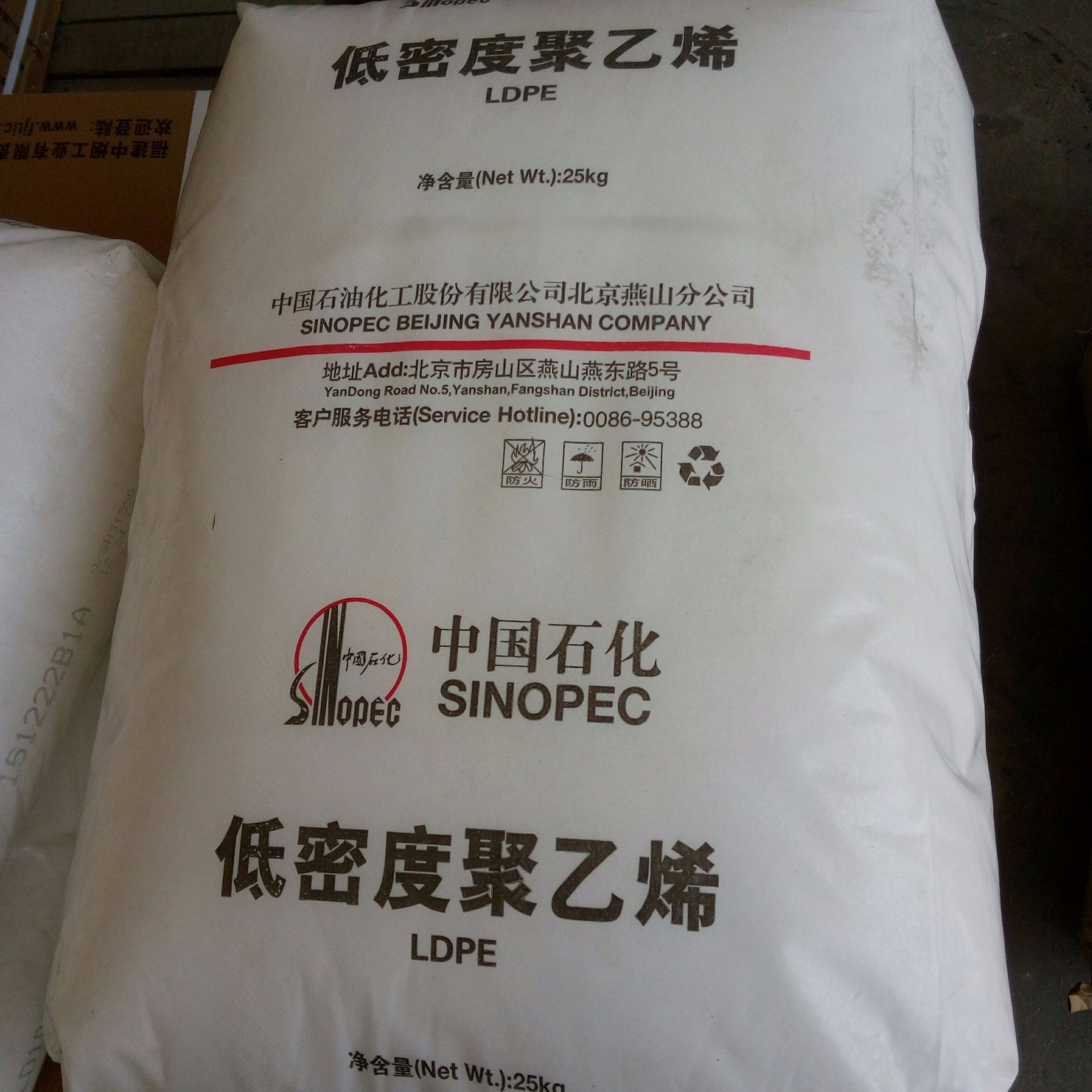
Yanshan LD100AC and Yanchang 7260 are both polyethylene resins built for flexible film. They differ in melt flow, density, and processing stability. Those differences shape film strength, sealing, and how smoothly each resin runs through your extruder.
Melt flow index and density are the two numbers I check first. As the LyondellBasell film extrusion guide explains, a higher melt index usually raises drawdown and gloss but lowers impact strength and flexibility. Density moves several properties too. Higher density often raises tensile strength but can lower low-temperature flexibility. This is why two resins with close melt index numbers can still behave differently once density shifts. A short table makes the pattern easier to hold in your head:
| Property | As Melt Index Rises | As Density Rises |
|---|---|---|
| Flexibility | Decreases | Stays about the same |
| Tensile strength | Decreases | Increases |
| Film clarity | Increases | Increases |
| Impact strength | Decreases | Decreases |
| Sealing stability | Varies by formulation | Varies by formulation |
Buyers who only compare grade names miss this. The LDPE extrusion standards overview makes a similar point: resin grades are optimized for specific equipment, so a grade that fits one extruder may not fit another. This is the core reason I tell people to compare data sheets side by side, not names.
Where Is Yanshan LD100AC Used?
A resin can look perfect on paper and still fail on a real production line.
Yanshan LD100AC is mainly used in flexible film applications, including single-layer and multilayer bag film, where reliable melt flow and steady sealing behavior are required. It fits lines that need consistent bubble stability during blown film extrusion.
Bag film is rarely a single layer today. Many producers now run multilayer structures, with an inner sealant layer and outer layers built for strength. As research on polyethylene bag film formulations shows, a common approach blends higher molecular weight resin for structure with a lower melt index resin for toughness and impact strength. A patent on multilayer polyethylene bag film also notes that melt index and density both need to stay in a tight range to protect tear strength and puncture resistance. This is why LD100AC shows up more often in multilayer coextrusion lines than in simple, single-layer setups. At Chengnuo, we tell buyers to check which layer a resin is meant for before they order, since a resin built for a sealant layer will not perform the same way in a structural layer.
Why Is Yanshan LD100AC Used for Plastic Bags?
Sealing failure is the most common complaint I hear from bag producers, and it rarely comes from a single cause.
Yanshan LD100AC is used for plastic bags because it offers stable melt flow, good flexibility, and dependable heat-seal behavior. These traits keep seal strength consistent across a production run, which lowers the reject rate on the packaging line.
Seal strength depends on more than one factor. A patent on plastic bag seal design points out that melt index and melt flow ratio both affect how well a sealant layer bonds under heat and pressure. Line speed matters too. On most bag machines, the seal step is the real bottleneck, so a resin with a narrow, predictable melt index range keeps the line running faster with fewer stops. Some producers also look at very low density grades for extra flexibility, and work on very low density film properties shows how lower density can trade some heat resistance for added softness. This trade-off is exactly why I recommend comparing full data sheets, not single specifications, before choosing between LD100AC and any alternative grade.
Conclusion
Yanshan LD100AC and Yanchang 7260 are not simply "better" or "worse." The right grade matches your film structure, sealing needs, and production line.
Reference
- LyondellBasell — A Guide to Polyolefin Film Extrusion
- Alibaba Product Insights —An Overview of Plastic Raw Material LDPE Extrusion: Standards, Grades, and Mechanical Performance
- Patsnap Eureka —Polyethylene Plastic Bag Material: Comprehensive Analysis of Formulations, Processing Technologies, and Advanced Applications
- Patsnap Eureka —Very Low Density Polyethylene Packaging Film: Advanced Material Properties, Processing Technologies, and Industrial Applications
- USPTO Patent —Melt-Extruded Multilayer Polyethylene Bag Film
- USPTO Patent —Seals for Plastic Bags