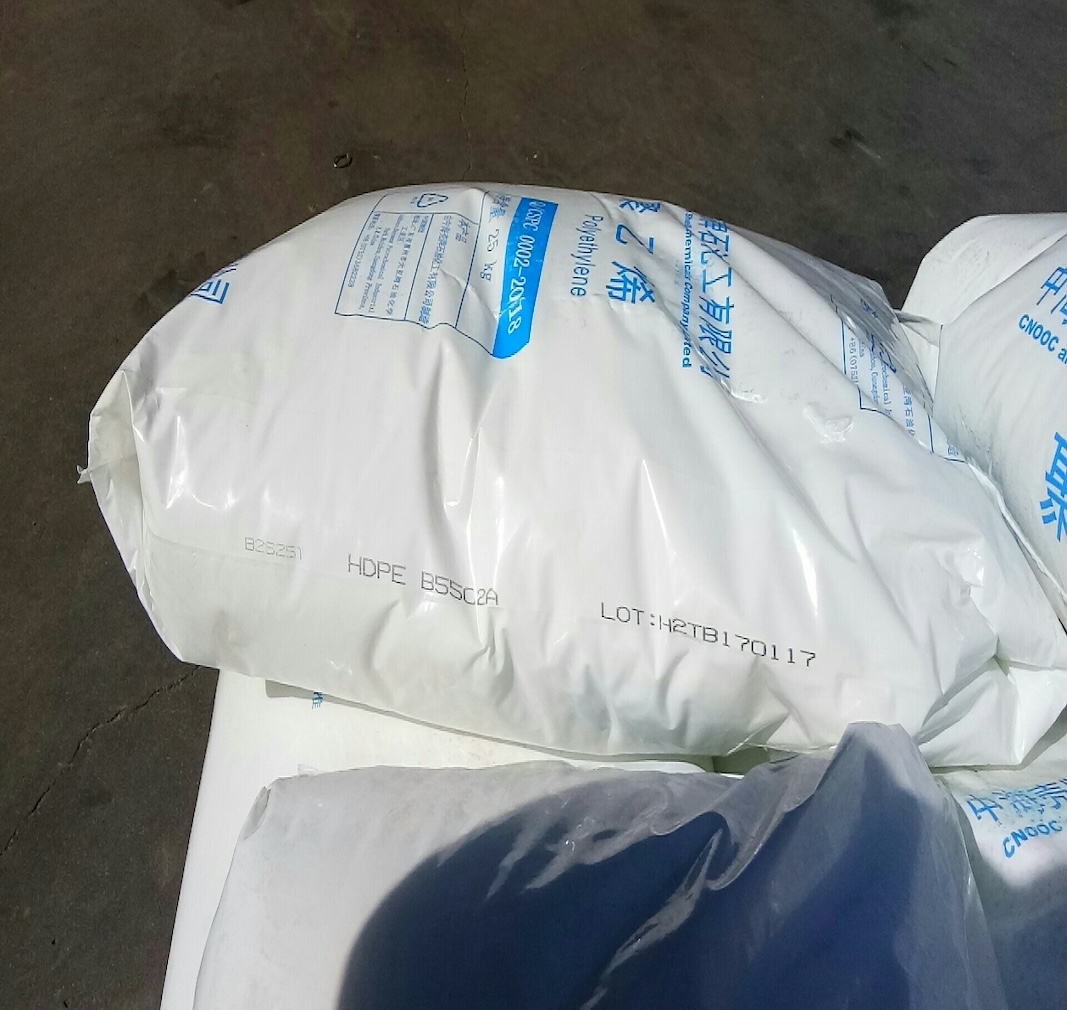
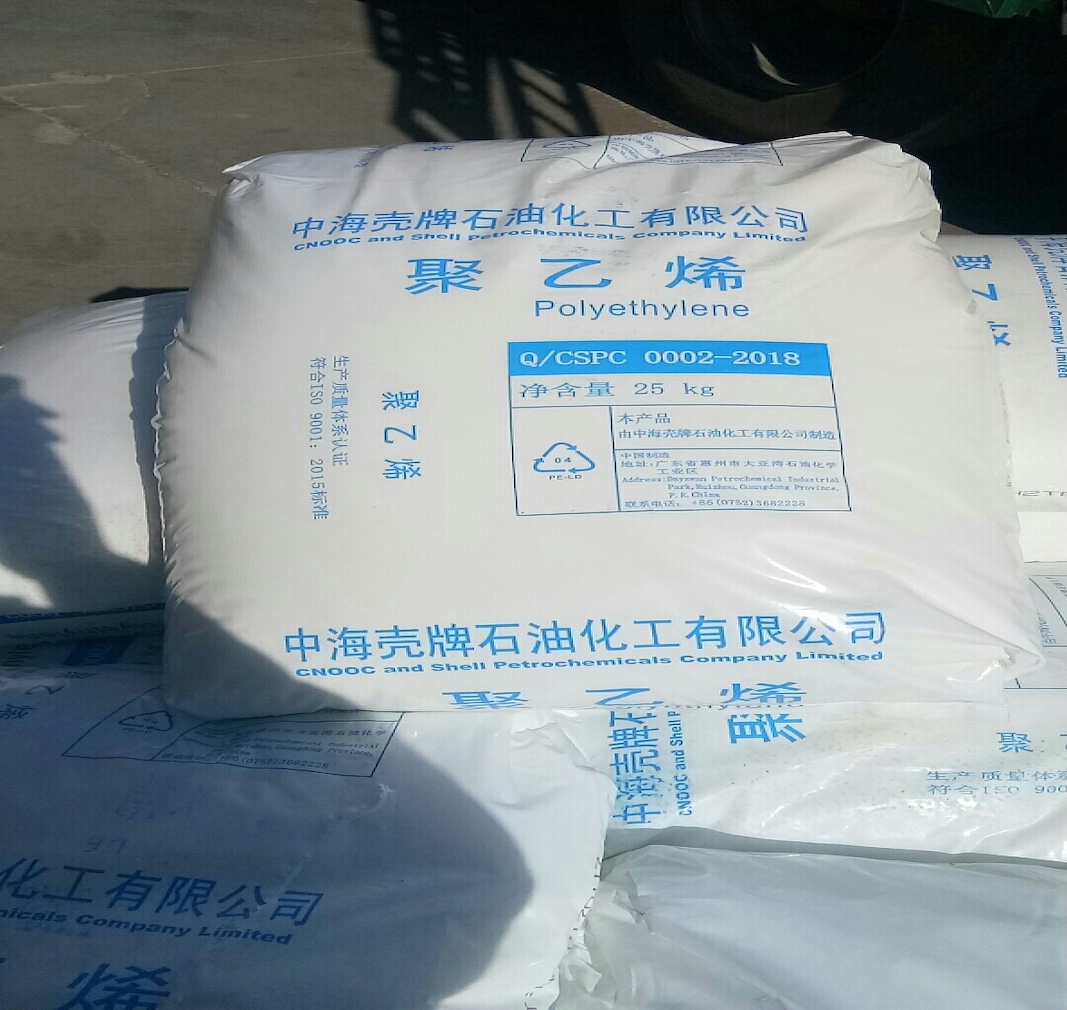
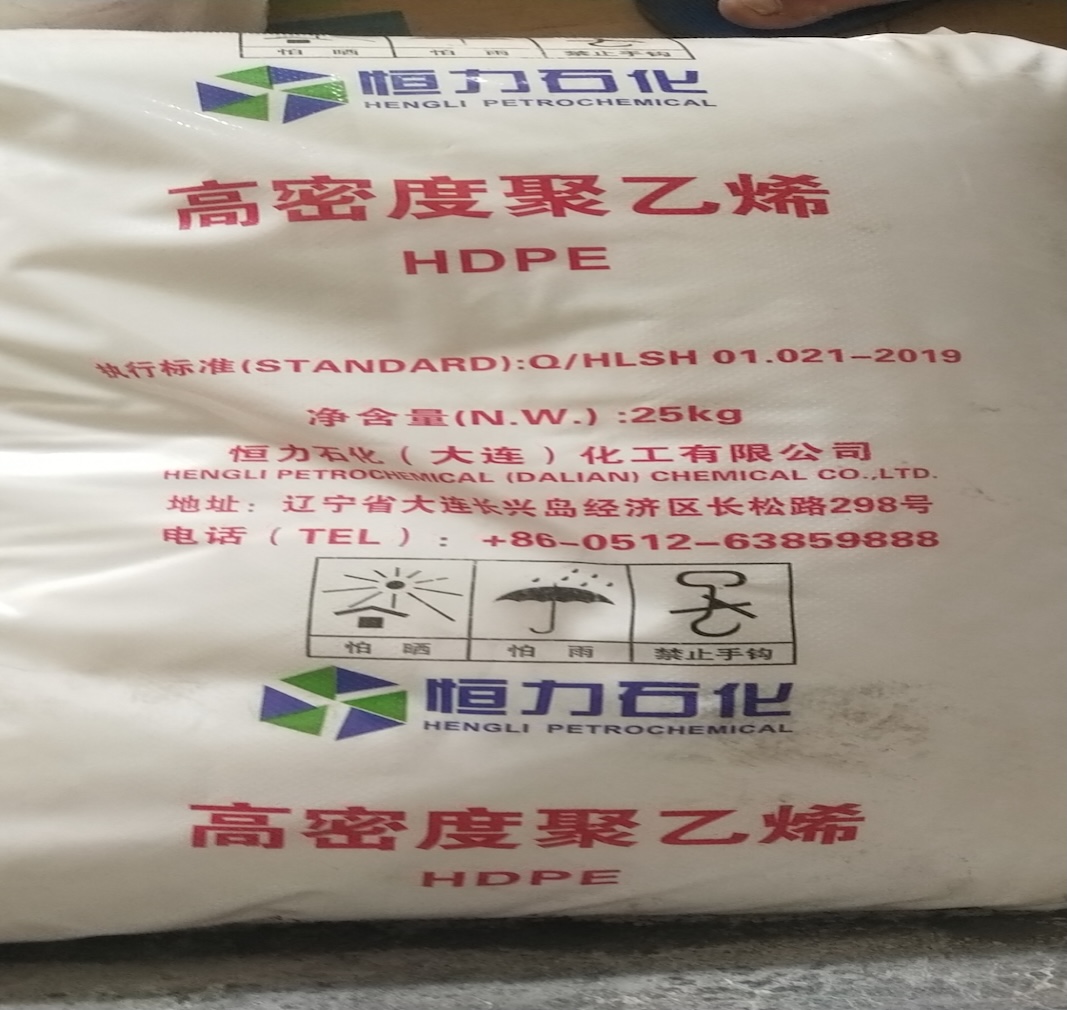
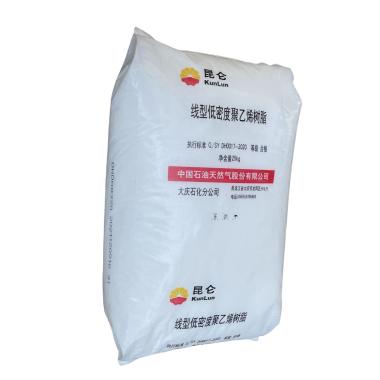
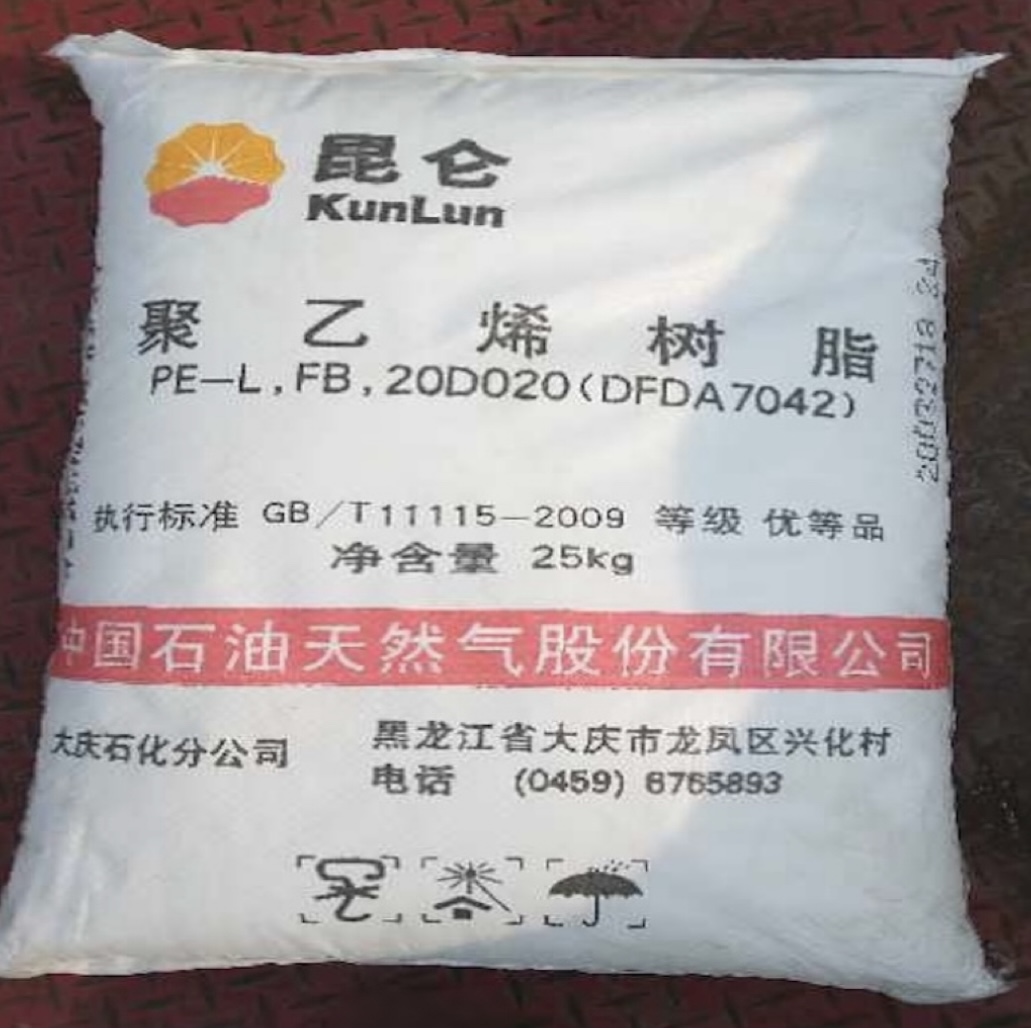
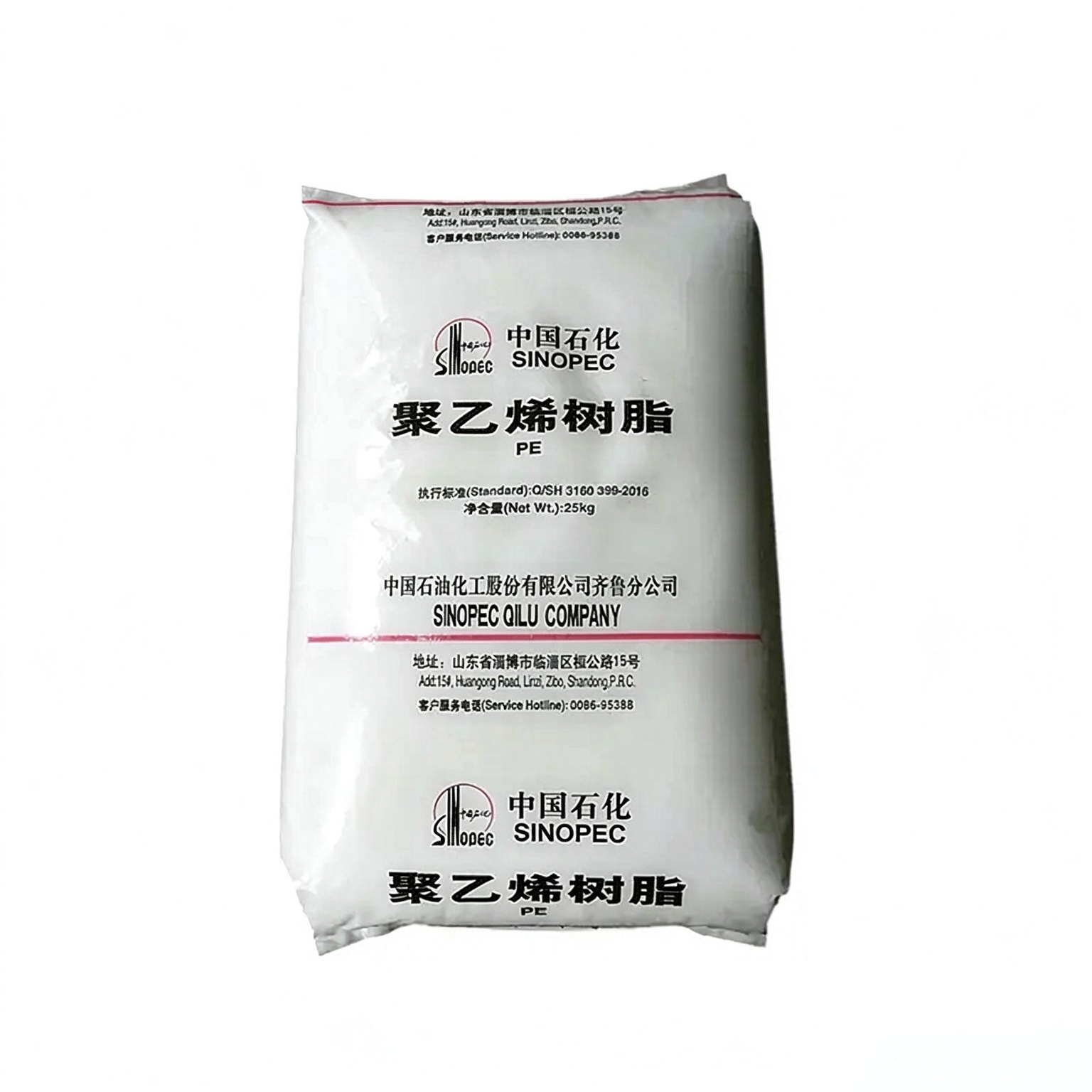
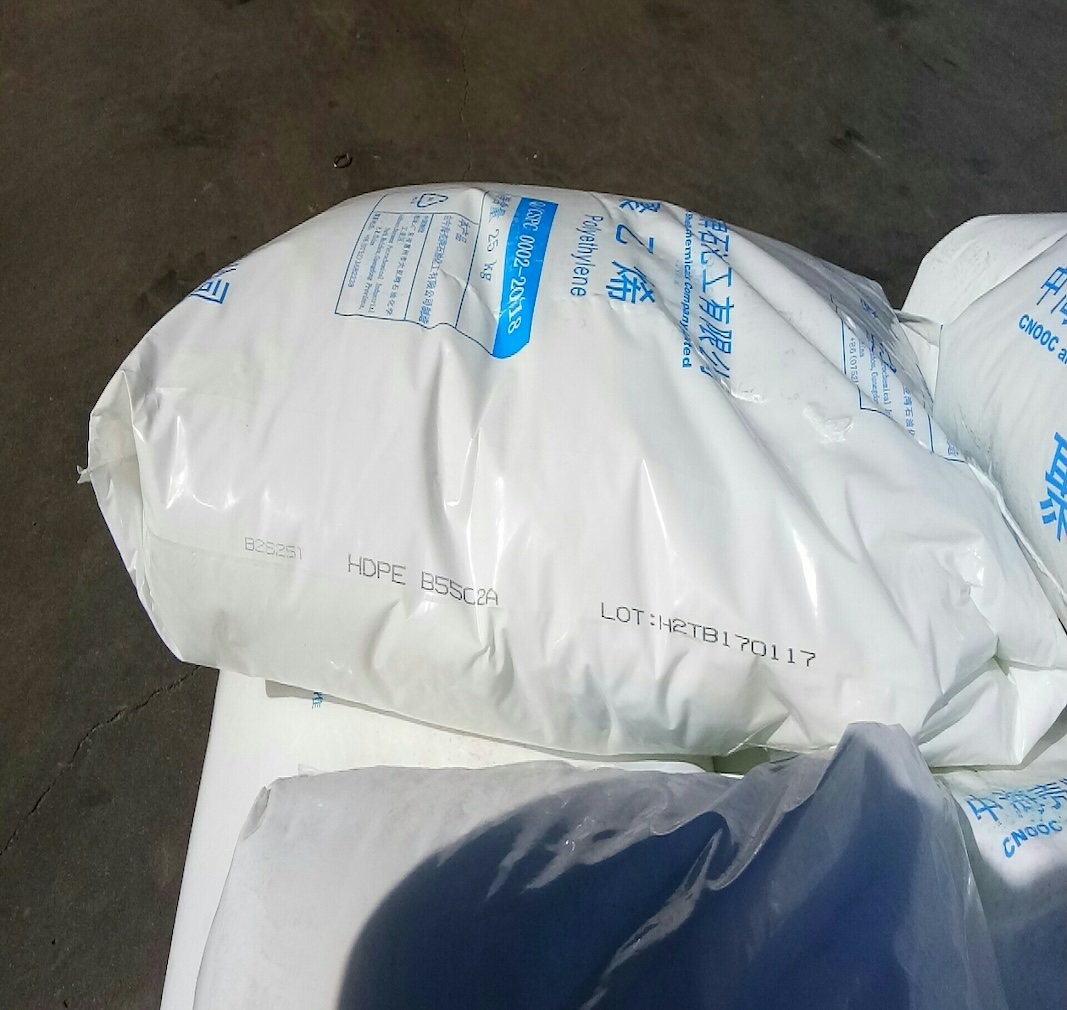
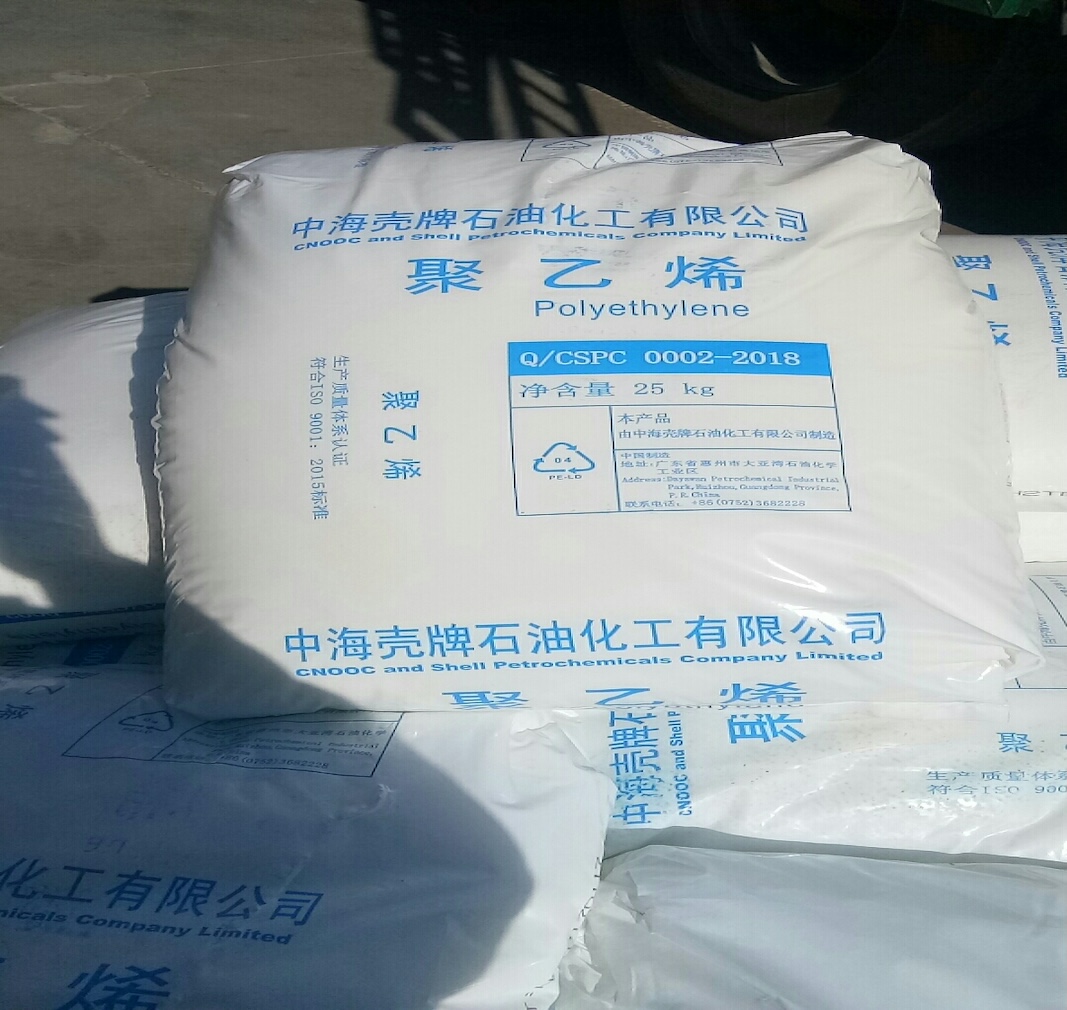
Hollow container manufacturing requires high-density polyethylene formulations that deliver a precise balance between melt strength, rigidity, and environmental stress crack resistance (ESCR). Engineered via low-pressure polymerization processes, virgin high-density polyethylene structured around the 5502A architecture ensures superior dimensional stability and uniform wall thickness across demanding extrusion blow molding lines. To review complementary polymer options or examine related extrusion grades, explore our dedicated Shell 5502A Product Specification Page or read our detailed technical analysis in the HDPE Blow Molding Resin Selection and Performance Guide.
Physical and Rheological Property Characteristics
| Technical Parameter | Typical Resinous Value | Standard Testing Protocol |
|---|---|---|
| Melt Flow Index (190°C / 2.16kg) | 0.30 - 0.35 g/10 min | ASTM D1238 |
| Polymer Density | 0.954 - 0.956 g/cm³ | ASTM D1505 |
| Tensile Yield Strength | > 27 MPa | ASTM D638 |
| Environmental Stress Crack Resistance (ESCR) | > 35 h (Condition B) | ASTM D1693 |
| Vicat Softening Temperature | 125°C - 128°C | ASTM D1525 |
Molecular Orientation and Parison Sag Control Mechanics
The manufacturing efficiency of hollow industrial bottles and household liquid containers depends heavily on the polymer's behavior within the extrusion head and mold cavity. Because Shell 5502A features a medium molecular weight distribution combined with controlled co-monomer incorporation, it exhibits optimal melt elasticity. This rheological balance minimizes undesirable parison sag during extended drop times while allowing smooth flow under high shear rates at the die lip.
Furthermore, the high crystallinity inherent to this high-density grade translates into exceptional surface hardness and rigidity. Containers molded from this polymer resist paneling or vacuum distortion when filled with aggressive surfactant-based formulations, household chemicals, or fluid personal care products. The uniform crystalline lamellae distribution also enhances impact strength, protecting fragile bottles from drop-induced structural failure during logistics operations.
Industrial Extrusion Processing Advantages
Optimizing continuous or intermittent extrusion blow molding lines with a dependable high-density polyethylene polymer delivers consistent operational benefits:
- Stable Bubble and Parison Behavior: High melt strength prevents thinning at the shoulder sections of large bottles during gravitational draw-down.
- Rapid Cycle Times: Excellent thermal stability and predictable crystallization rates allow for faster mold release and shorter cooling phases.
- Exceptional Stress Crack Defense: Protects against chemical attack and container leakage when housing active fluid ingredients or surface-active agents.
Frequently Asked Questions
Why is a low melt flow index crucial for stable parison control in industrial bottle extrusion?
A lower melt flow index signifies longer polymer chains, providing the necessary melt tension to support heavy parisons without excessive gravitational stretching or uneven wall thinning prior to mold closure.
How do processors manage barrel temperature gradients to prevent melt fracture during extrusion?
Processors typically maintain a steady thermal profile ranging between 180°C and 220°C across the extruder barrel zones, gradually increasing temperatures toward the die head to eliminate surface melt anomalies and ensure uniform gloss.
Can this rigid polymer formulation withstand aggressive active ingredients in household cleaner packaging?
Yes. The tight crystalline packing and high density of the material provide robust chemical resistance against polar liquids and active surfactants, preventing stress cracking and product permeation over time.
What mechanisms prevent bottom pinch-off thinning in high-speed continuous blow molding operations?
Bottom pinch-off integrity is maintained by optimizing parison programmed wall thickness profiles, utilizing well-maintained knife edges, and balancing clamp speed to weld the material cleanly without creating weak seams.
Enterprise Partnership for Advanced Extrusion Resins
Elevating your hollow container manufacturing lines with proven high-density polyethylene grades ensures structural rigidity, chemical resistance, and long-term package reliability. Get in touch with our technical polymer specialists today to request comprehensive datasheets, trial quantities, or customized processing recommendations tailored to your specific extrusion equipment.