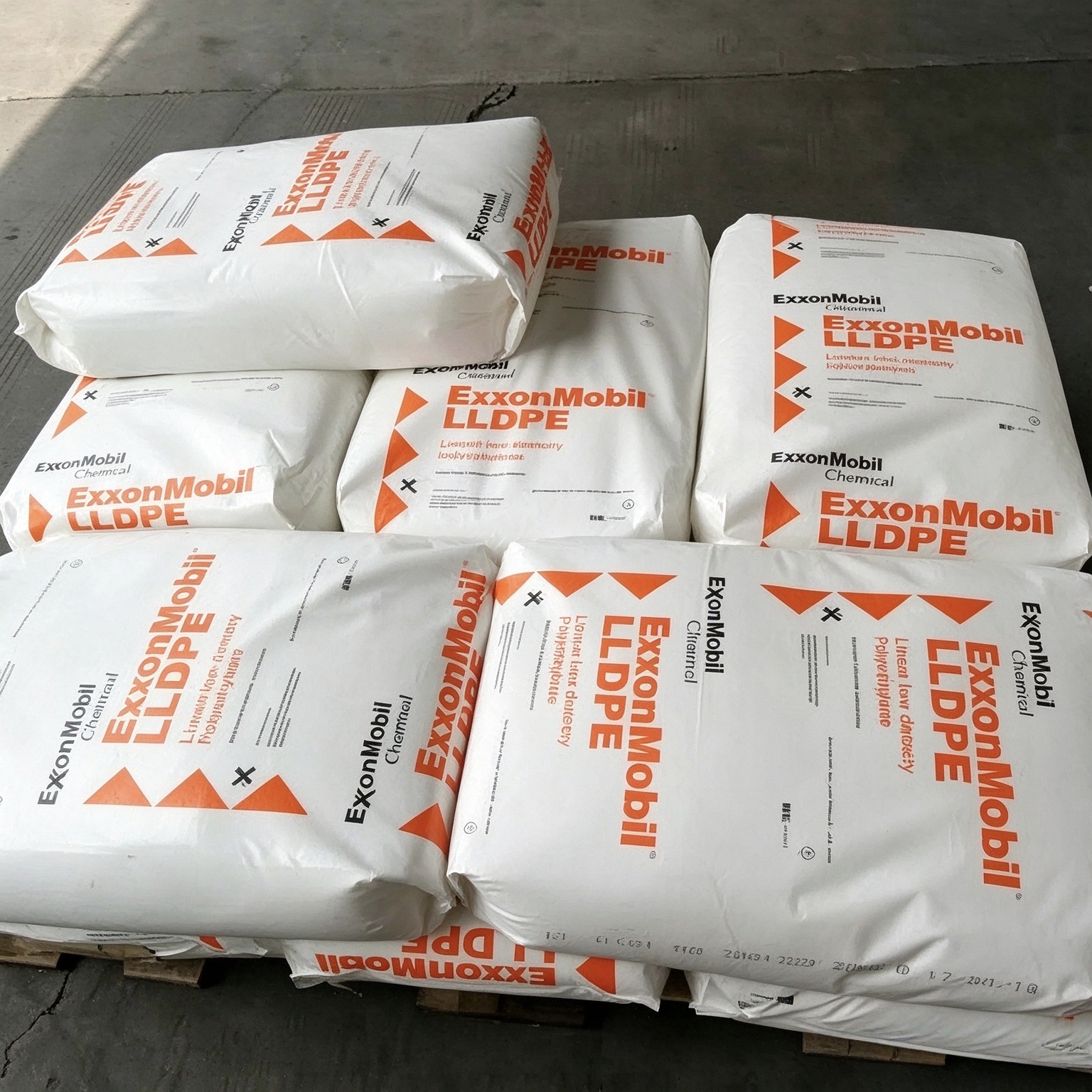
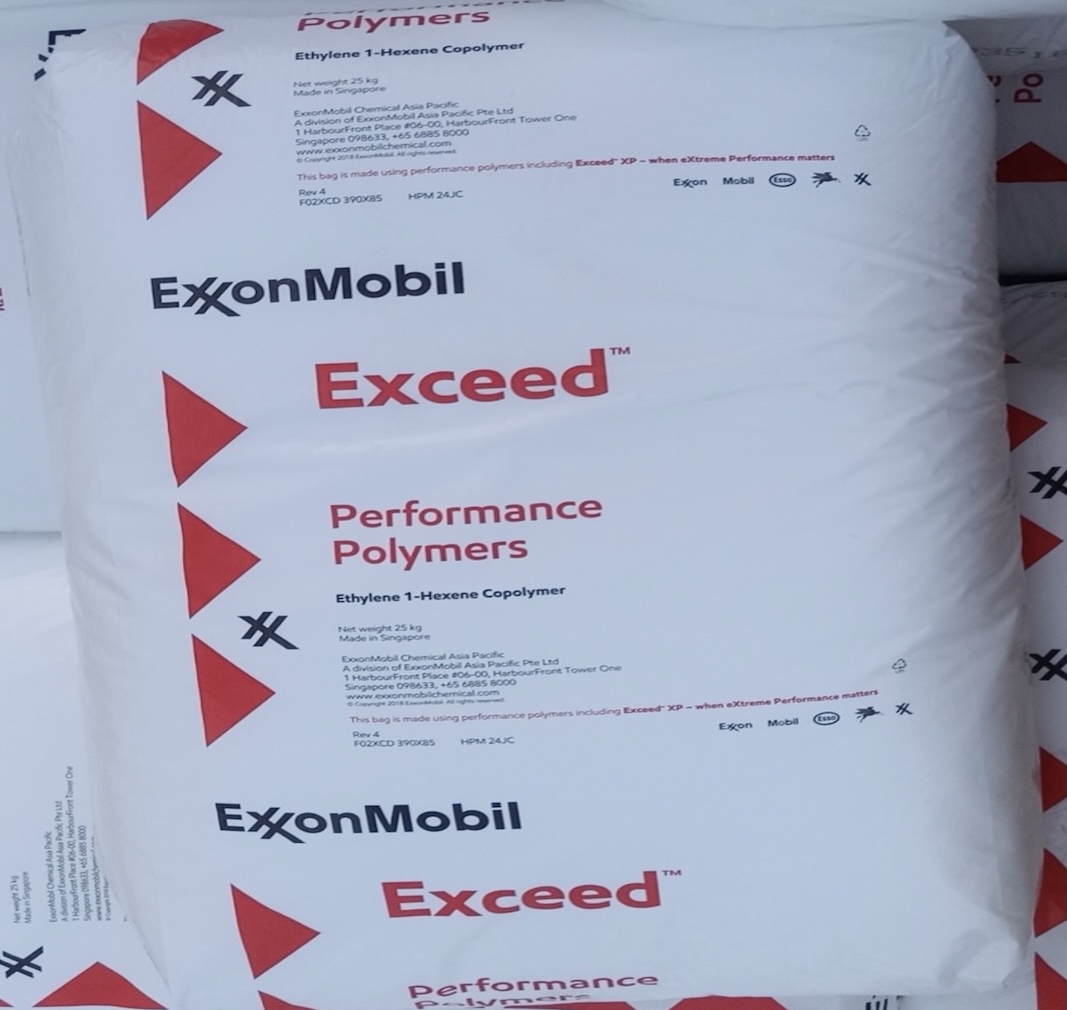
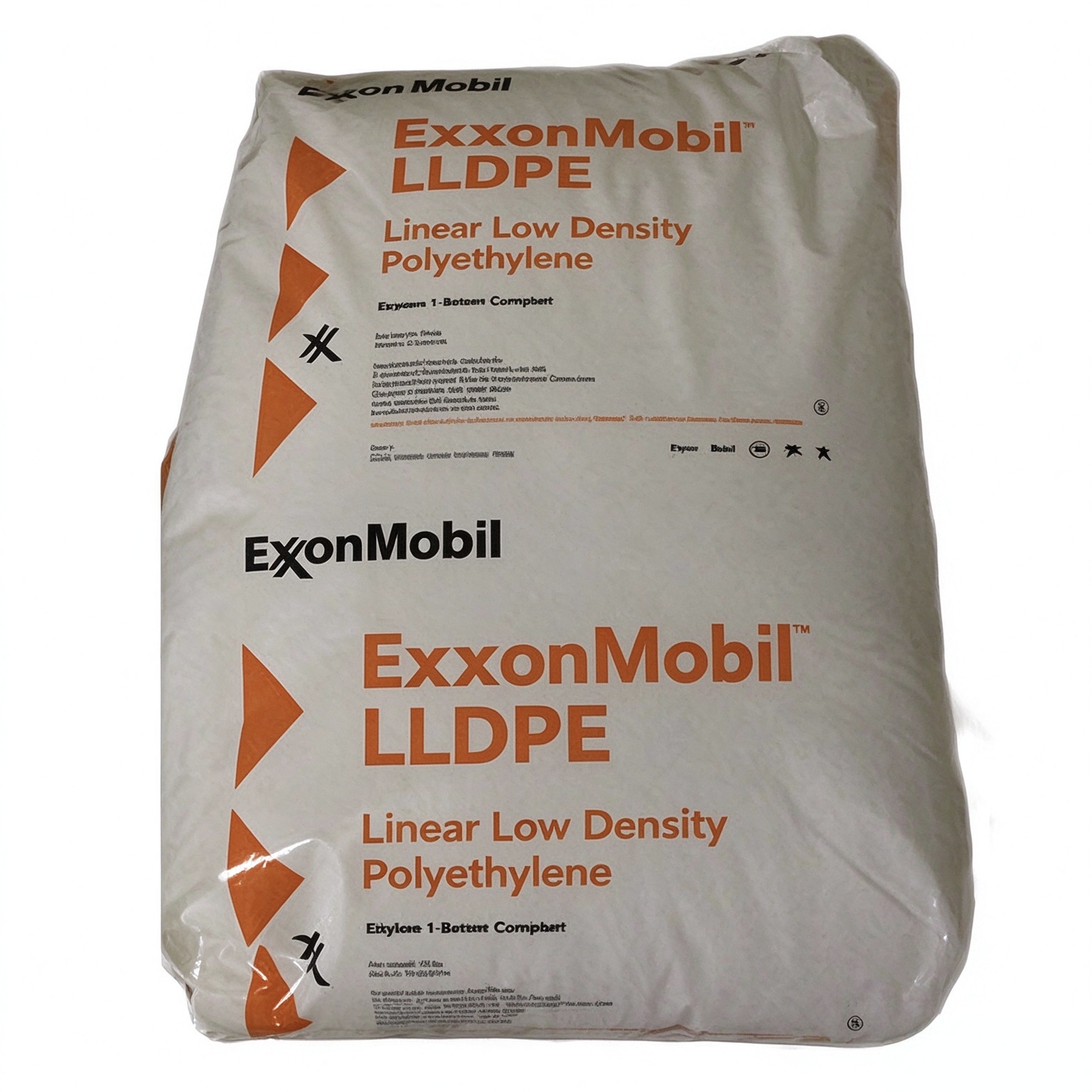
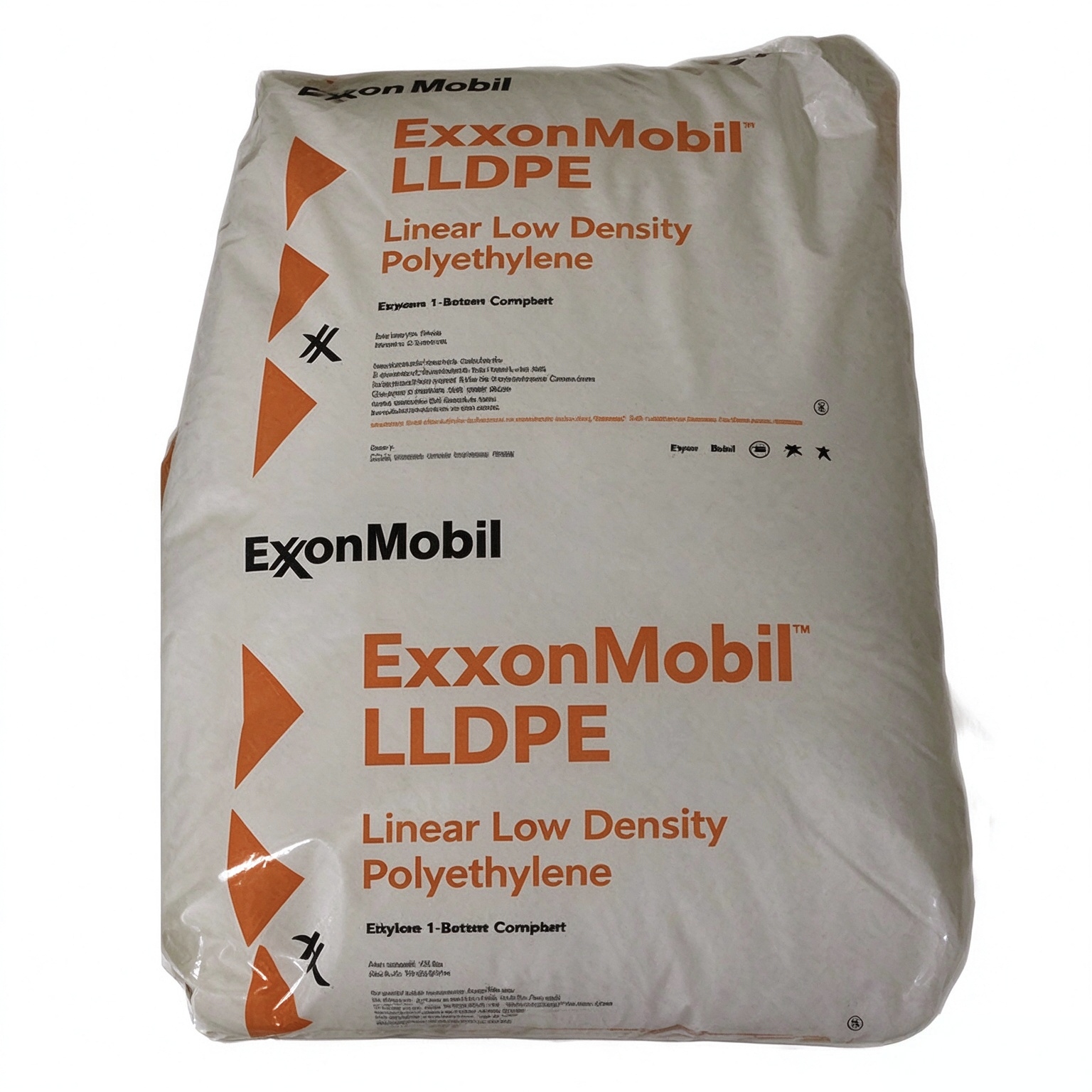
ExxonMobil 1002BU is a butene-based LLDPE blown film resin listed by the manufacturer for freezer film, with high gloss and excellent draw down among its stated features. This page covers the typical data you need to judge it as a high gloss LLDPE resin for freezer film. Chengnuo can send the TDS and confirm the grade against your line before you order.
Product Features
High gloss
ExxonMobil lists high gloss as a stated feature and reports 45° gloss of 28 with 23% haze on 1.0 mil film. The resin carries 3,500 ppm antiblock, so gloss is a reference point to re-measure on your own line.
LLDPE film resin
a butene (C4) copolymer with 2.0 g/10 min melt index, 0.918 g/cm³ density and excellent draw down, suited to blown film and to downgauging trials.
Freezer film use
ExxonMobil names freezer film in its application list. Secant modulus of 170 / 210 MPa (MD / TD) and a 94 °C Vicat softening point suggest a stiffer bag film, while TD tear of 390 g against 110 g in MD means tear direction should be checked.
Ready-to-run additives
1,500 ppm slip is also compounded in, so no antiblock or slip masterbatch is needed. No processing aid or intentionally added TNPP is listed.
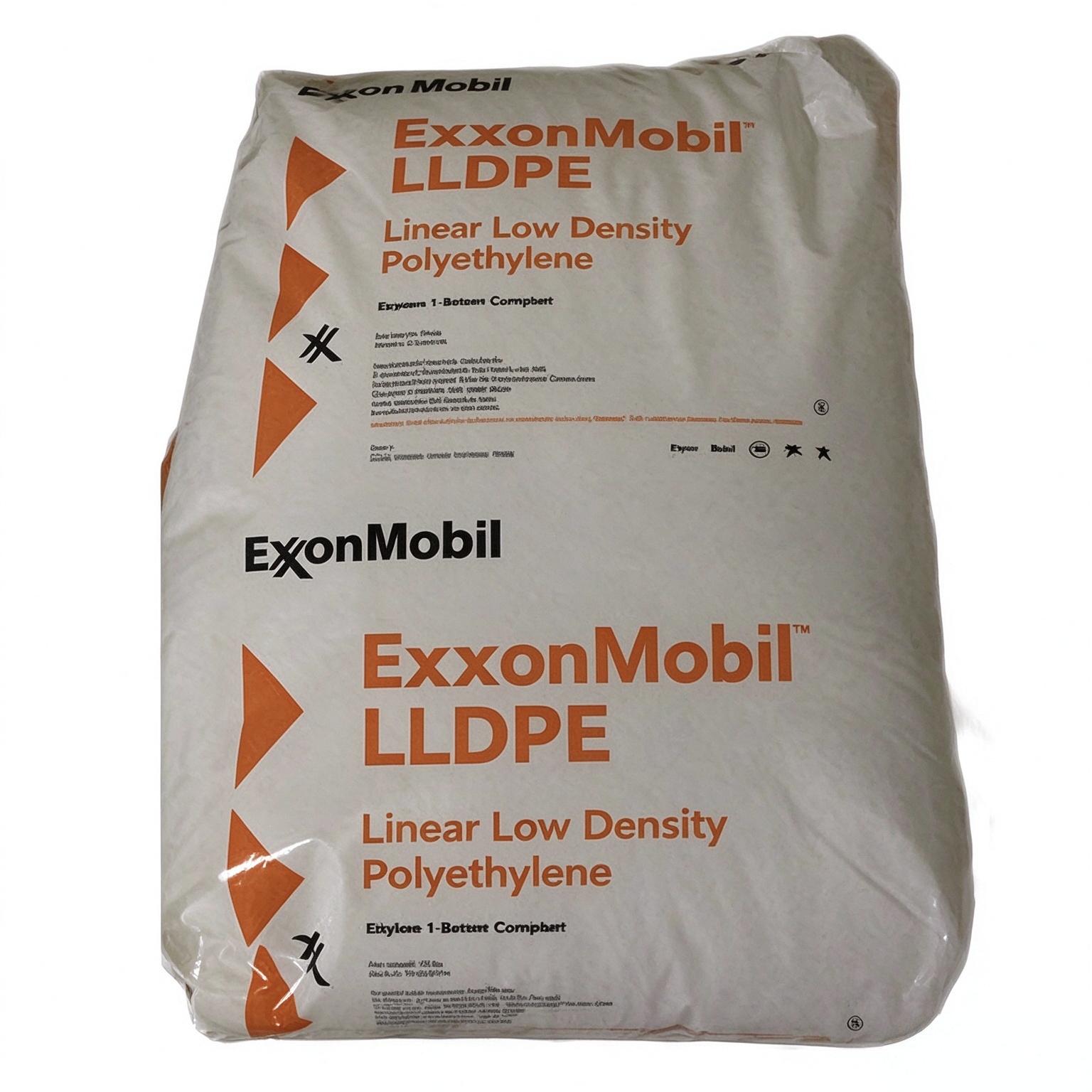
Typical Technical Data for ExxonMobil 1002BU
| Property | Typical value | Test method |
|---|---|---|
|
Density |
0.918 g/cm³ |
ASTM D1505 |
|
Melt index (190 °C / 2.16 kg) |
2.0 g/10 min |
ASTM D1238 |
|
Peak melting temperature |
123 °C |
ExxonMobil method |
|
Vicat softening temperature |
94.0 °C |
ExxonMobil method |
|
Tensile strength at break, MD / TD |
36 / 27 MPa |
ASTM D882 |
|
Elongation at break, MD / TD |
620 / 770 % |
ASTM D882 |
|
1% secant modulus, MD / TD |
170 / 210 MPa |
ASTM D882 |
|
Dart drop impact |
< 60 g |
ASTM D1709A |
|
Elmendorf tear, MD / TD |
110 / 390 g |
ASTM D1922 |
|
Gloss (45°) |
28 |
ASTM D2457 |
|
Haze |
23 % |
ASTM D1003 |
|
Antiblock / slip |
3,500 / 1,500 ppm |
ExxonMobil datasheet |
Measured on 1.0 mil (25.4 µm) film, 2.5:1 blow-up ratio, 202–213 °C melt temperature. Values are typical, not specifications. ExxonMobil publishes this data under the C4LL 2018.BU designation; compare with the TDS for your batch.
Applications in Freezer and Frozen-Food Packaging
Monolayer freezer bags where appearance and stiffness matter more than drop resistance.
Skin layers in coextruded film, where the surface sets the gloss and a tougher core carries the load.
Blends with a tougher LLDPE for packs holding heavy or irregular frozen contents.
Other listed uses: food packaging, multilayer packaging film and lamination film, per ExxonMobil.
Food-contact and other regulatory requirements depend on your market and need documentation. For line-level guidance, read whether 1002BU suits your blown film line.
Frequently Asked Questions
1. What should converters check first when comparing high gloss LLDPE resin for freezer film?
Check the additive package and test conditions behind the gloss figure. Similar numbers can behave differently once antiblock level and gauge change.
2. Why do some freezer bags look glossy while others look cloudy?
Surface finish, cooling and antiblock level all play a part. More antiblock usually gives a duller, hazier surface.
3. Can ExxonMobil 1002BU be used alone or in a blend?
Both are possible. Alone it suits gloss-led films with moderate loads; for higher dart impact, converters often blend it with a tougher LLDPE.
4. Will an LLDPE freezer bag crack in a home freezer?
Properly made LLDPE film generally stays flexible at household freezer temperatures. Very thin bags with sharp frozen contents are more likely to tear than crack.
5. How should draw-down be judged when moving to thinner film?
Watch bubble stability and gauge variation as thickness falls on your own line. Datasheet ratings show direction; trials show the limit.
Purchasing and Technical Support
Send Chengnuo your film structure, target gauge and gloss target. We will provide the TDS for ExxonMobil 1002BU LLDPE resin and quote once the grade is confirmed. Request the TDS and a quotation.