LLDPE Material Differences: Daqing 7042 vs Daqing 8320 | Performance & Application Guide
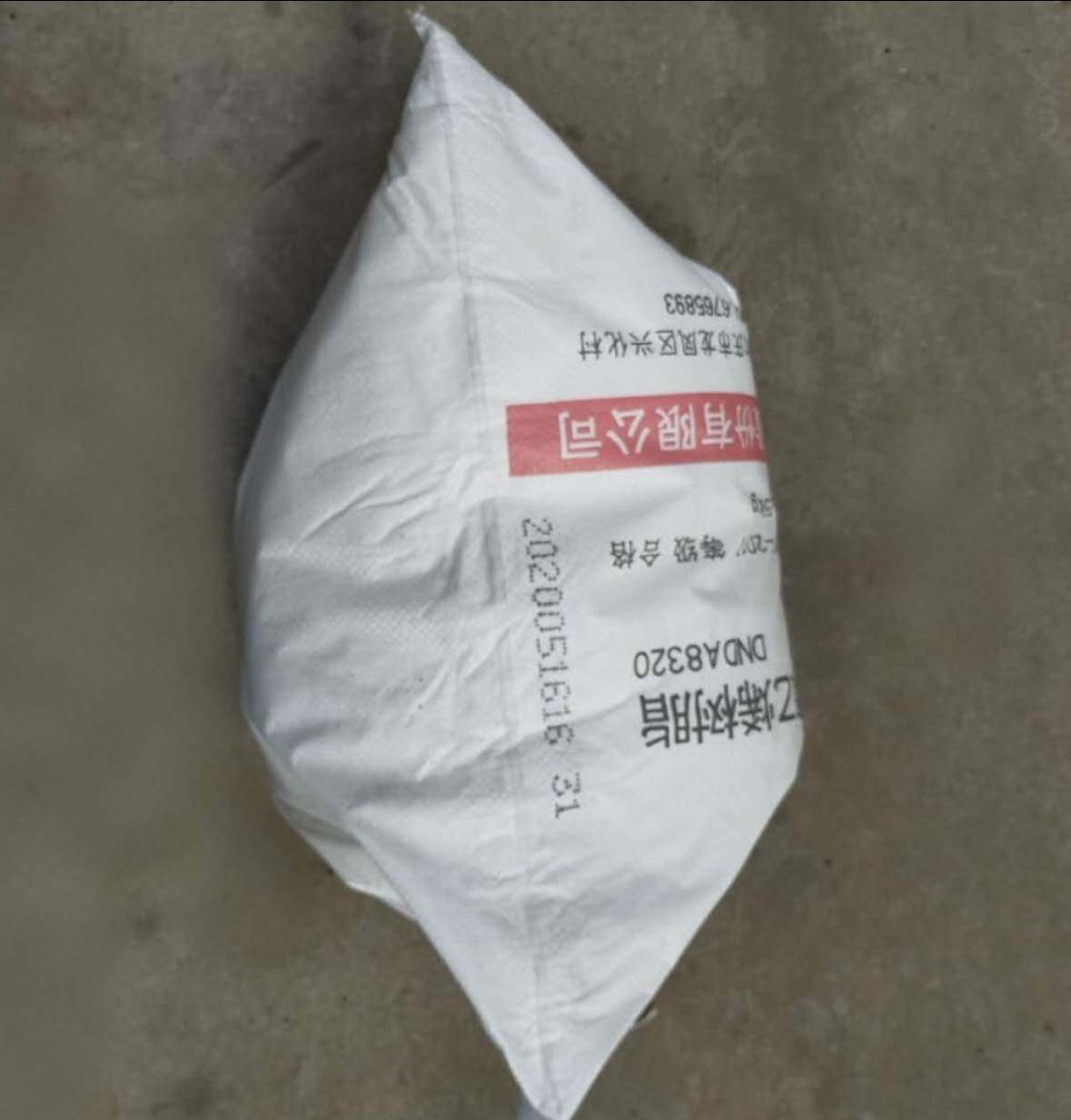
Many manufacturers cannot tell the difference between Daqing 7042 and Daqing 8320LLDPE. They mix and use the two grades randomly. This wrong operation causes filling defects, slow molding cycles, low-temperature cracking and uneven color masterbatch dispersion. Daqing 7042 is a low-MFR LLDPE for blown film, and it is made for stable film forming. Daqing 8320 is a high-flow special-grade LLDPE. The two materials have different molecular designs, different melt flow ranges and different processing uses. They cannot replace each other, though users can mix them in small proportions. As a domestic high-flow linear resin, Daqing 8320 has balanced overall performance. It works well for thin-wall injection parts, cold-resistant plastic products, color masterbatch carriers and cable modification.
Drawbacks of Conventional Low-MFR LLDPE
Common low-MFR LLDPE for blown film has an MFR of only 1–5 g/10min. It has obvious weaknesses in injection molding and material modification. Its melt viscosity is high, so it cannot fill thin and complex mold cavities completely. This leads to more weld lines and incomplete filling defects. Poor fluidity requires higher processing temperature and longer holding and cooling time. It slows down production cycles and increases power consumption. Most cheap high-flow PE resins sacrifice internal branched molecular structures. Their low-temperature impact performance drops greatly, so outdoor products and cold-chain goods break easily when dropped. High melt viscosity also makes fillers hard to spread evenly during masterbatch production. It leaves white spots and uneven color, and ruins the surface quality of final products.
Core Performance Advantages of Daqing 8320
High fluidity shortens molding cycles
This resin has a typical MFR of 20 g/10min (190℃/2.16kg, GB/T 3682), with stable batch fluctuation between 17 and 25 g/10min. Its narrow molecular weight distribution keeps melt flow consistent during processing. The recommended processing temperature ranges from 160℃ to 200℃. It can fill 0.3–1.5 mm thin-wall parts without high temperature or high pressure, and it saves energy. The product adopts pure virgin milky white pellets. It is non-toxic and odorless, and it can be used for food-contact plastic containers. Its basic physical data includes density of 0.926 g/cm³, tensile yield stress of 10 MPa and tensile break stress of 20 MPa, with good tensile elongation performance.
Reliable low-temperature impact resistance
Its Charpy notched impact strength at 23℃ reaches 54 kJ/m² (GB/T 1043.1-2008, typical value). The material keeps good elasticity, tear resistance and drop resistance at low temperatures. It can resist acid, alkali and grease corrosion. It effectively reduces product cracking and return rates for cold storage products and outdoor plastic parts used in northern cold environments.
Premium masterbatch carrier with strong blending compatibility
It features uniform ethylene-butene copolymer structure with moderate melt viscosity. Fillers such as calcium carbonate, carbon black and anti-aging additives can disperse fully without agglomeration. The finished masterbatch has no spots and keeps stable color. Daqing 8320 mixes well with HDPE, PP and LDPE. Factories often blend it to modify cable sheath materials, so the final products have better low-temperature performance and stress crack resistance.
Stable molding dimensions and superior surface finish
Controllable melt shrinkage effectively avoids sink marks and warpage on thin and small injection parts. Virgin pellets contain very few impurities. Manufacturers do not need to add large amounts of brightening agents, and post-processing polishing work is greatly reduced.
Four Core Application Scenarios & Usage Limitations
Main applications include thin-wall injection containers, thin structural ribs for home appliances, cold-resistant turnover boxes, household basins and buckets. It serves as carrier resin for carbon black masterbatch, filling masterbatch and anti-aging masterbatch. It also works as base material for cable jacket modification.
Usage note: Its high MFR makes it unsuitable as the sole raw material for blown film production. Single use will cause unstable film bubbles and serious thickness deviation. Users can only mix a small amount of Daqing 8320 with Daqing 7042 to adjust film fluidity.
Procurement & Production Tips
Store Daqing 7042 and Daqing 8320 separately. Do not replace one grade with the other arbitrarily.
Control the proportion of Daqing 8320 in film formula. Excessive addition will reduce the film’s tensile strength and puncture resistance.
Keep processing temperature within 160–200℃. Long-term production above 210℃ will cause melt degradation and weaken mechanical performance.
Most low-cost high-flow PE resins sacrifice low-temperature toughness. Daqing 8320 balances high fluidity and good impact resistance, helping factories save costs on extra impact modifiers.
Summary
Daqing 7042 is designed for large-scale blown film production. Daqing 8320 focuses on thin-wall injection molding, masterbatch processing and cable modification. It solves four common problems of ordinary linear PE materials: poor mold filling, long production cycles, low-temperature cracking and uneven filler dispersion. The material selection rule is simple: choose Daqing 7042 for film products, and choose Daqing 8320 for thin-wall injection and modification processing.
If you need sample testing, customized injection molding parameters or professional blending ratio solutions, you can contact our team anytime. Our technical staff will provide targeted production plans and bulk quotations within one working day