Polypropylene for Food Containers: How to Evaluate Resin Grades Like Ningxia Coal MB6430
Clear PP looks safe, so buyers stop checking. Then a container warps in the microwave or fails a compliance audit, and the resin choice takes the blame.
Evaluate polypropylene for food containers by matching melt flow, clarity, stiffness, impact, and heat resistance to your container design, then verifying food-contact documents for your target market. Transparency alone never qualifies a resin grade.
This guide moves from container requirements to purchase checks, so you can judge a grade such as Ningxia Coal MB6430 on documented evidence rather than appearance.
What Makes Polypropylene Suitable for Food Containers?
PP is everywhere in kitchens and delivery bags, so many buyers assume every PP behaves the same. It does not.
PP suits food containers because it is lightweight, moisture-resistant, rigid enough for stacking, and tolerant of cold storage and hot foods. Actual performance still depends on the specific grade, formulation, container design, and use conditions.
Where PP earns its place
Finished-container makers describe PP deli containers as suitable for refrigeration and microwave use, and bowls as suited to hot foods such as soup. Reuse programs go further: containers are returned, sanitized, and reused daily.
Why the grade still matters
In sourcing conversations, the usual mistake is treating "PP" as one material. A single-use deli lid and a reusable lunch box ask very different things of the resin, so the same grade rarely serves both well. Wall thickness, stacking load, lid fit, and the number of wash cycles all push the requirement list in different directions before any datasheet is opened.
Which Properties Matter when Selecting PP Resin for Food Containers?
One headline number, usually clarity or MFR, tempts buyers to shortlist too early. Containers fail where properties trade off.
Five properties matter most: melt flow rate, clarity and haze, stiffness and impact performance, heat resistance, and food-contact compliance. No single one decides suitability; the balance against your container design does.
The trade-offs behind the table
As a polypropylene selection guide explains, random copolymers offer see-through clarity but weaker elevated-temperature performance, homopolymers handle heat but have poor cold impact, and impact copolymers are typically milky. Thin walls call for higher MFR, while lower MFR favors impact. I always ask for the coldest storage and hottest fill temperature first; those two numbers eliminate more grades than clarity does.
| Evaluation factor | Why it matters for containers | What to ask the supplier |
|---|---|---|
| Melt flow rate (MFR) | Controls filling of thin walls and molding behavior | MFR value with test conditions |
| Clarity and haze | Visibility of contents | Haze data at stated thickness |
| Stiffness and impact | Stacking, drop resistance, cold storage | Flexural modulus and low-temperature impact |
| Heat resistance | Hot filling, microwaving, washing | Heat deflection or Vicat data |
| Food-contact compliance | Legal use in the target market | Declaration scoped to your market and use |
Read the table row by row against your drawing. If a supplier can answer only two or three of the five questions, treat that as a risk signal in itself, because gaps in data usually become gaps in production.
How Should Buyers Evaluate Ningxia Coal MB6430 for Food Container Applications?
A grade code alone proves nothing. Buyers who shortlist MB6430 from a price list inherit every assumption that list leaves out.
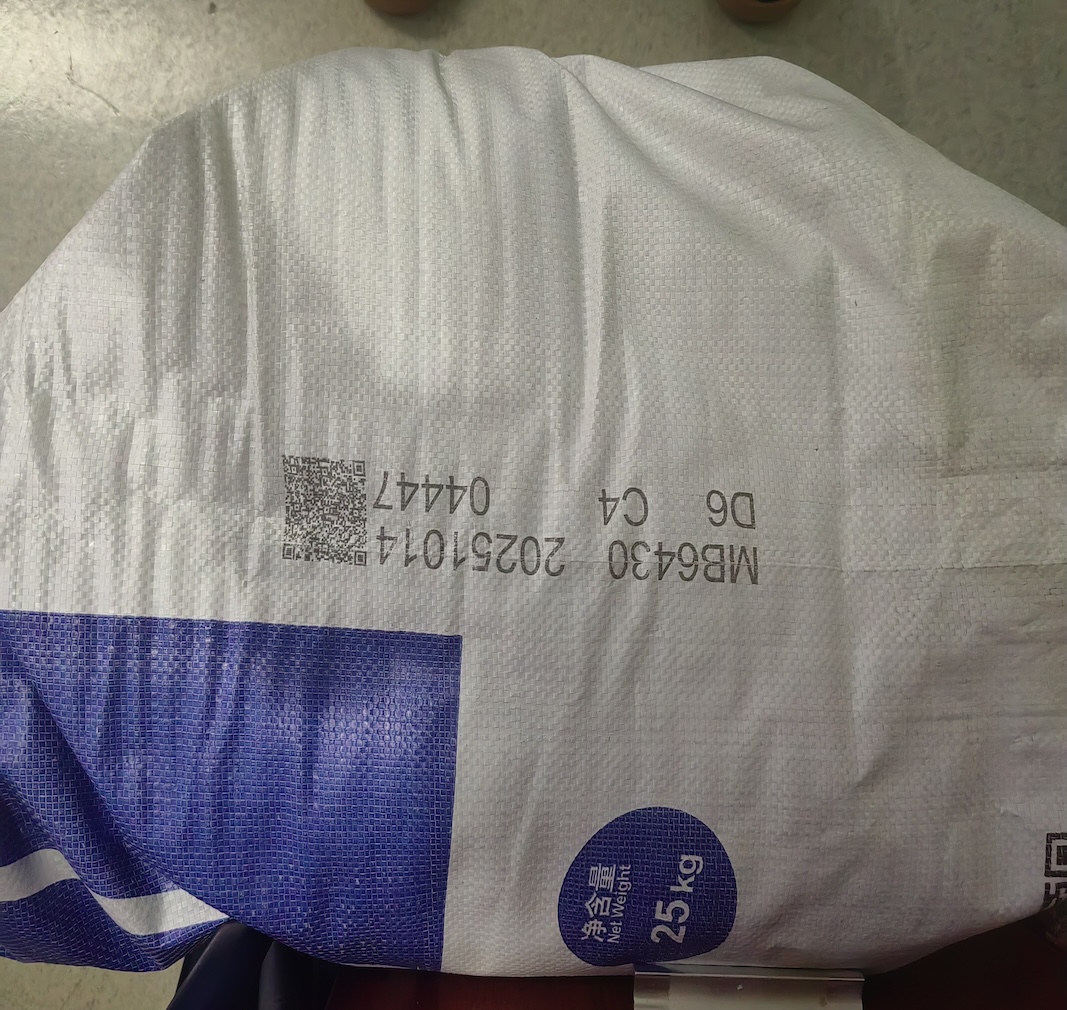
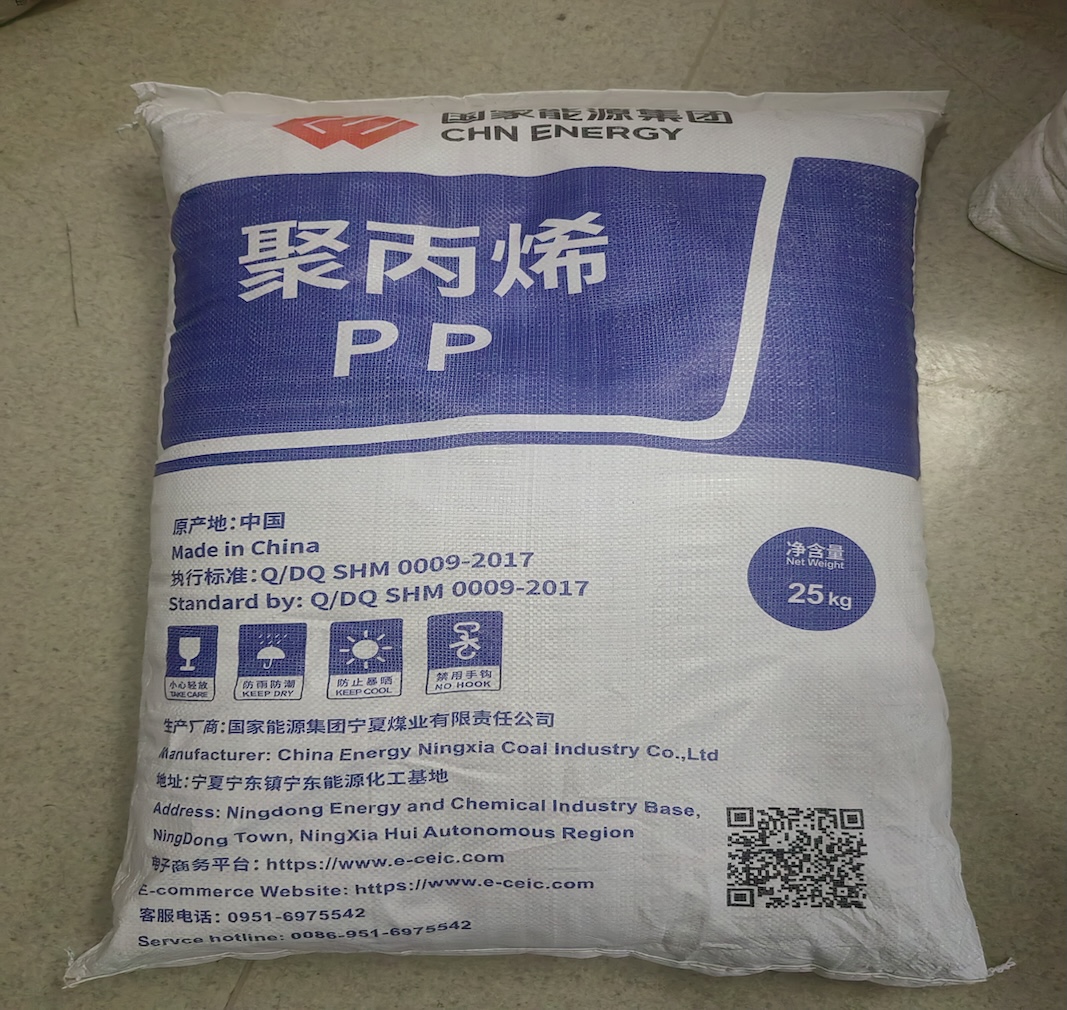
Start with MB6430's verified identity and the manufacturer's technical data sheet, then compare MFR, mechanical properties, and test conditions with your container's forming method and performance needs. Treat compliance documents as separate evidence; never infer them from the grade name.
Anchor every claim to a document
Public technical data for MB6430 is limited, so request the manufacturer's data sheet before discussing applications. At Chengnuo, we map each documented value to the container requirement it supports, and we flag whatever remains unverified. That habit keeps a shortlist honest: a grade stays a candidate until its numbers, test conditions, and paperwork agree with each other.
A four-point check
- MFR, density, and other values supplied by the manufacturer.
- The test method and conditions behind each value.
- Your container's forming method and performance targets.
- Food-contact documents covering your market, use, and conditions.
Without compliance evidence, do not describe the resin as food grade polypropylene. Also note that a data sheet lists typical values, so ask what tolerance applies from lot to lot.
What Should Food Container Manufacturers Verify before Buying PP Resin?
The resin passes the lab, then the paperwork fails the audit. Compliance gaps surface late and cost the most.
Verify the technical data sheet, a food-contact declaration for your market, migration or test evidence for real use conditions, lot quality documents, packaging, quantity, and lead time. Then trial the resin in your own process before approving volume.
Compliance differs by market
In the United States, 21 CFR 177.1520 sets limits such as maximum xylene solubles of 9.8% and requires permitted additives. In the EU, Regulation 10/2011 allows only listed substances, caps overall migration at 10 mg per dm², and expects testing under conditions matching intended use.
Resin compliance is not container compliance
Colorants, masterbatches, processing aids, and use temperature all affect the finished article. Ask the supplier which regulation each document references and which food types and temperatures it covers, since a declaration written for dry foods says little about hot, fatty, or acidic contents. A compliant resin supports your compliance file; it does not replace it. In my experience, the most common surprise is a colorant or additive added at the converter that was never covered by the resin supplier's declaration. A grade selection guide likewise advises confirming FDA compliance before choosing a grade.
How Can You Confirm whether MB6430 Fits Your Production Requirements?
Paper approval feels complete, yet containers still crack at the corners or cloud after washing. Fit is proven in your process.
Compare the supplier's technical documents with your actual container requirements, then validate with sample trials, food-contact paperwork, and supply terms before approving volume.
Trial what your customer will do
Approval should follow a sequence: documents first, then sample molding, then use-condition tests, then a small production run. Skipping a step saves days and can cost months.
Run samples through hot fill, a microwave cycle, repeated washing if the container is reusable, cold-temperature drop tests, and stacking. Record fill behavior, shrinkage, odor, and clarity after each step, then compare with your current resin. Keep the results in one file, because auditors and customers will ask for the same evidence later, and a clean trial record shortens every approval that follows. To review available specifications or ask about supply, visit the Chengnuo Ningxia Coal MB6430 product page.
Conclusion
Choose PP for food containers on documented properties, market-specific compliance, and trial results. Treat MB6430 as a grade to verify with its manufacturer's data, not to assume.
References
Tekni-Plex – Polypropylene Containers and Cups
ExxonMobil Chemical – Reusable Containers
LyondellBasell – Tech Topic: Material Selection, Polypropylene
Plastics Engineering – Choosing the Right Polypropylene Grade
Cornell LII – 21 CFR 177.1520, Olefin Polymers
Finnish Food Authority – Plastic Regulation (EU) 10/2011