How do You Choose the Right LDPE Plastic for Flexible Packaging Applications?
You need a film that seals fast, runs clean, and holds up on the line. Pick the wrong LDPE grade and you pay for it in downtime.
The right LDPE grade for flexible packaging balances melt flow rate, density, and sealing performance with your specific film line and end-use needs. Match these properties to your process, not just to a generic LDPE label, and you get better yield and steadier run stability.
Most buyers start with a spec sheet. That is a fine start. But a spec sheet alone will not tell you how a resin behaves on your line, under your real conditions, with your product. Demand across the polyethylene film market keeps shifting, and that shift changes which properties matter most this year. I want to walk through what actually matters, and where a grade like Zhongtian Hechuang LD251 fits into that picture.
What Makes LDPE Plastic Suitable for Flexible Packaging Applications?
Flexible packaging looks simple, until a film tears mid-run or a seal fails at the pouch station. The material choice sits behind almost every one of these problems.
LDPE suits flexible packaging because its branched molecular structure gives good flexibility, clarity, and heat-seal strength at lower processing temperatures. These traits let converters run blown or cast film lines at steady speed while keeping the finished pouch soft, tough, and easy to seal.
Why the Packaging Industry Leans on LDPE
LDPE resin has a branched structure. This structure keeps the polymer chains loosely packed. A loose structure gives the film flexibility. It also lowers the melting point, so the film seals at a lower temperature. This matters at the pouch station. A film that seals fast, at lower heat, keeps your line running without added downtime.
Resin producers often design LDPE film grades around this exact balance. Some grades add slip and anti-block agents to keep the film running clean through the extruder. Others focus on seal speed for high-output packaging lines, built for a sealant layer with fast, reliable heat-seal behavior. Demand for these traits keeps growing, since food and beverage brands increasingly choose polyethylene film for its protective, shelf-extending qualities. Different LDPE grades, such as Zhongtian Hechuang LD251, are selected based on processing requirements and end-use applications, not on the resin name alone.
How do You Evaluate LDPE Plastic Grades for Film Production?
Two resins can carry the same LDPE label and still behave completely differently on your line. The label alone is not the whole story.
Evaluate an LDPE grade by melt flow rate, density, film-forming performance, mechanical requirements, and processing stability. These factors, taken together, tell you more about real film performance than any single spec sheet number on its own.
Grade Selection, not a General Material Overview
Melt flow rate tells you how the resin flows under heat and pressure. A lower melt flow rate usually means higher melt strength, which helps bubble stability during blown film extrusion. Density affects stiffness and clarity; lower density LDPE tends to run softer on the roll. Film-forming performance and mechanical requirements then depend on your product, since a lamination film and a shrink film ask for different toughness and shrink tension. Processing stability ties all of this together across a full shift, not just a short trial run.
Blending is part of this evaluation too. Adding a small amount of LDPE into an LLDPE-based blown film structure can improve bubble stability, though it may trade off some mechanical strength. Zhongtian Hechuang LD251 is one example of an LDPE grade evaluated by manufacturers based on its processing characteristics and application requirements, which is why grade selection, not a general material description, should guide the decision.
| Selection Factor | What It Tells You | What To Check Before Buying |
|---|---|---|
| Melt Flow Rate | How the resin flows during extrusion | Match to your line speed and die design |
| Density | Stiffness, clarity, and softness | Match to your flexibility and clarity target |
| Film-Forming Performance | Bubble stability and gauge consistency | Trial on your own blown or cast line |
| Processing Stability | Consistency across a full production run | Confirm across multiple shifts, not one trial |
Why Consider Zhongtian Hechuang LD251 for Flexible Packaging Applications?
Adding one more LDPE grade to your list is not the goal. Finding one that actually fits your process, and stays consistent, is.
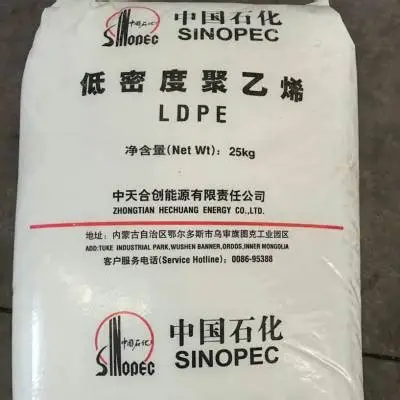
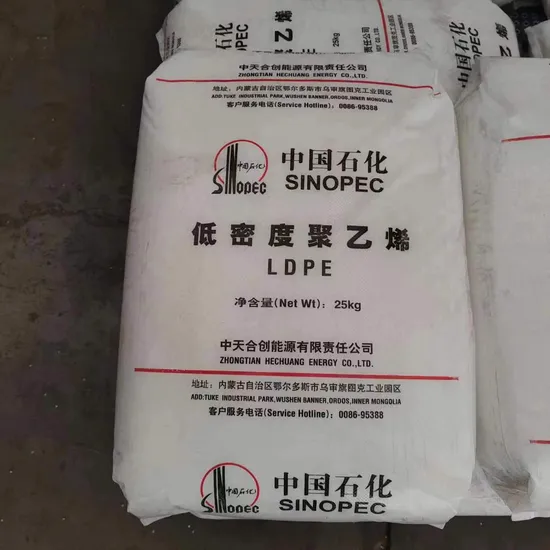
Zhongtian Hechuang LD251 is worth considering when your process calls for a general-purpose LDPE with stable processing behavior on blown film lines. It fits alongside established grades used for laminations, sealant layers, and general packaging film, where consistent output matters as much as raw material properties.
Where LD251 Fits, and What to Weigh before You Switch
I think about grade positioning first. LD251 sits in the general-purpose LDPE film category, the kind built for mono and multilayer blown film with a workable melt flow range, rather than a specialty resin built for one narrow job. That positioning matters, because it points to typical application scenarios: general packaging film, lamination layers, and everyday flexible packaging where a converter needs dependable, repeatable output more than one standout property.
Processing considerations come next. Any grade change asks your line to adjust, even a small one, so I look at how a resin runs at your normal blow-up ratio and melt temperature range before I call it a fit. Supply consistency matters just as much. A resin that performs well on one batch and drifts on the next costs you more than a slightly higher price would. This is the kind of question I sit with often when I help buyers at Chengnuo sort through polyethylene options. I am not writing a spec sheet here. I am pointing at the questions worth asking before LD251, or any LDPE grade, earns a place in your production plan. The flexible packaging market keeps expanding across food and consumer goods, and that growth means more grade options, more claims, and more reason to test before you commit.
Conclusion
Choosing the right LDPE grade comes down to matching melt flow, density, and processing stability to your own line, not just comparing labels on paper.
Reference
- Shell Polymers – Polymer Trends: Polyethylene Film
- Packaging Strategies – Rising Demand For Flexible Packaging Films
- SpecialChem – Dow AGILITY 1001 Performance LDPE Product Data
- Google Patents – US20130245201A1, LLDPE-LDPE Blown Film Blend
- Knowde – Tasnee LDPE Film Grades Product Line
- Global Market Insights – Flexible Packaging Market