Search for 1100N and you find trade data and plant news. Almost none of it helps you buy. One weak answer from an importer can cost a full container.
Ask a polypropylene 1100N importer who the producer is, what the grade specification says, which documents come with each batch, which Incoterm applies, and how samples and trials work. Written answers matter more than promises.
I have spent more than ten years in plastic raw materials. Buyers rarely lose money on price. They lose it on questions they never asked. Here is the list I use, built around Ningxia Coal 1100N.
What Should You Know about Ningxia Coal 1100N?
Many buyers see "1100N" and assume they know the grade. The name alone proves very little.
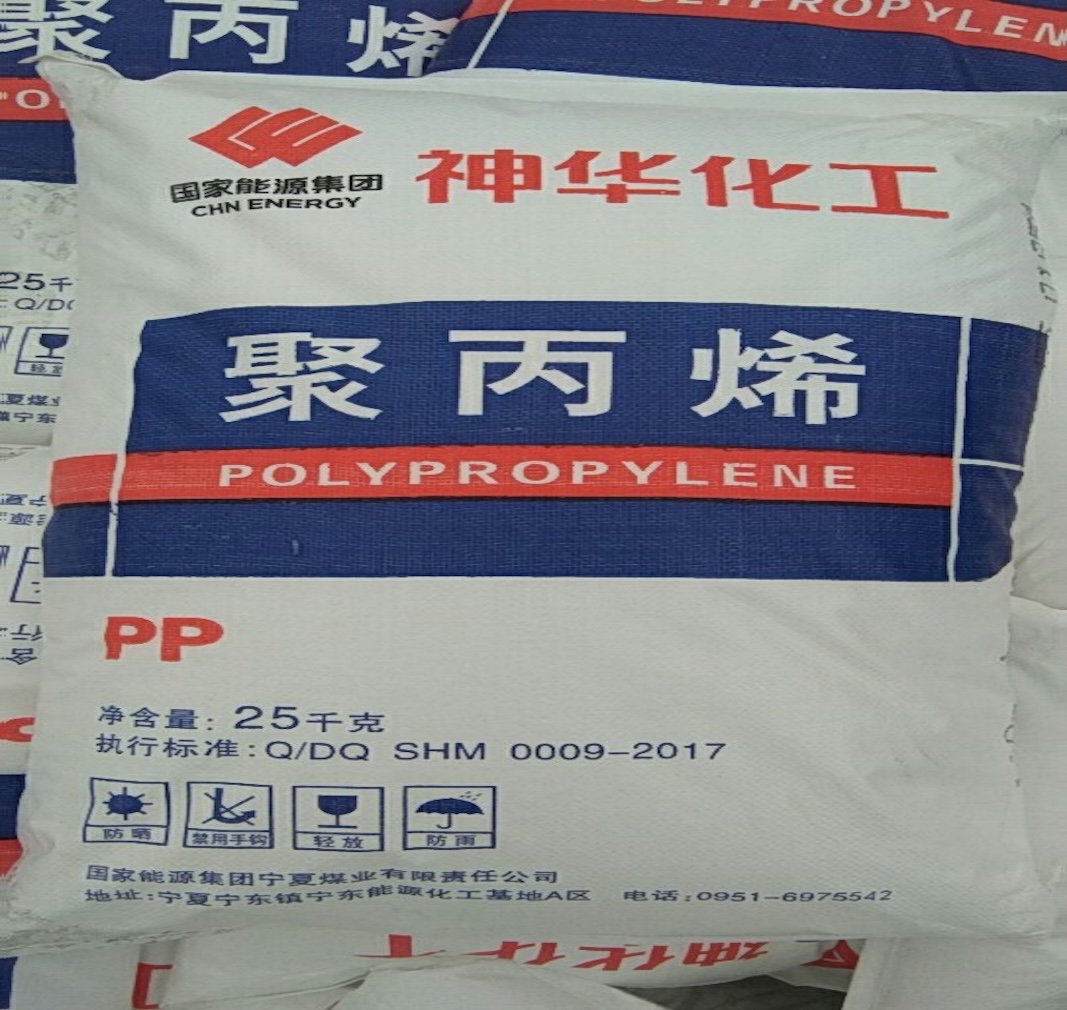
Ningxia Coal 1100N is a virgin homopolymer polypropylene, listed as a raffia grade for tape extrusion and woven products. Its typical melt flow rate is about 3 g/10 min at 230 °C and 2.16 kg.
Do not trust the name alone
Other producers use the same number. A UL Prospector listing for Advanced PP 1100N describes a medium-flow homopolymer for general injection molding. That is a different job from woven tape. So I always ask the importer for the producer name, the full grade code and the technical data sheet. I do not accept a name on a chat message.
Why raffia use matters
Raffia tapes are extruded, stretched and woven into fabric. An ExxonMobil raffia factsheet notes that homopolymers have limited ability to stretch, and that tape breakage is a core processing issue. A low flow grade near 3 g/10 min suits this job. I ask buyers what tape width, denier and line speed they run before I discuss any grade. I also ask what the sack must carry. A grain bag and a binding rope need different strength, so the same grade can be right for one and wrong for the other. A few minutes of this talk saves weeks of trial.
Which Specifications Should You Check before Importing Polypropylene 1100N?
A data sheet can look complete and still hide the one number your line needs. Start with your own process, then read the sheet.
Check melt flow rate, flexural modulus, tensile yield, impact strength, ash content, additive package and pellet appearance. For 1100N, the product page lists flexural modulus near 1,350 MPa, tensile yield near 32 MPa and ash of 0.03% or less.
Read each number for your line
The melt flow rate test is a single-point measure at one temperature and weight. Two lots with the same number can still stretch differently. So I compare batch values against the range on the certificate, not only the typical value. Stiffness affects how tapes hold shape when woven. Ash content affects tape breaks and die wear. I also look at the extrusion window: the page suggests 190–225 °C. A narrow window leaves little room when your barrel runs hot in summer. Ask for the supplier's trial settings, then compare them with your own line. If the numbers are far apart, plan a longer trial.
Check the additive package
The page states the resin carries a single thermal stabilizer, with no slip, anti-block or UV additives. That is fine for indoor sacks. For outdoor use, you must add UV masterbatch and run a trial. If an importer says "ready for all uses," I read that as a warning. Ask exactly what is in the pellet, in writing. The same goes for color masterbatch. The page gives a 95:5 reference blend, but it also says to run a trial first. I follow that rule every time, because a masterbatch can change tape strength and stretch.
How Can You Evaluate a Polypropylene 1100N Importer?
Good importers answer plainly. Weak ones answer fast and say little. The gap shows up in the second email.
Evaluate an importer by asking for the producer name, batch certificates, sample policy, shipping terms and references. Then compare answers across suppliers. Clear, matching, written replies point to a reliable partner. Vague replies point to risk.
Use a question and red flag list
Supplier scams are common in resin trade. A buyer's guide on importing PP from China advises verifying every partner, signing a full contract, and confirming any bank detail change through a known channel. I add the questions below to that advice. Ask the same set of questions to every supplier. Then lay the answers side by side. Differences in detail, speed and tone often tell you more than the price does. A supplier who explains a limit, such as no UV protection, is usually more honest than one who claims the grade does everything.
| Question to ask | A good answer | Red flag |
|---|---|---|
| Who makes the resin? | Producer named in writing | "Factory direct" with no name |
| Can I see the data sheet? | Sheet with test methods and dates | Single typical values only |
| Do you issue a batch COA? | Original COA for each batch | One old COA reused |
| What is the sample policy? | Clear sample size, cost and lead time | Promises that are not written |
| Which Incoterm do you quote? | Named term and named port | "All in" price with no term |
| Can you share a reference? | Buyer in a similar market | No references at all |
What Should You Confirm before Ordering Ningxia Coal 1100N?
The last mile is where deals break. A missing paper at the port costs more than a week of checking.
Before you order, confirm compliance papers for your market, the Incoterm and port, packaging and storage terms, and a trial plan. Put all of it in the contract, in both languages if your supplier asks for that.
Match papers and terms to your market
The product page names GB 4806.6, FDA and EU food-contact rules, but it shows no certificate numbers. So I ask for the actual documents. In the US, 21 CFR 177.1520 covers olefin polymers in food-contact use, and the finished article must meet its own rules too. For shipping, Incoterms 2020 set where risk passes. Under FOB, risk passes once goods are loaded on board. Under CIF, the seller books freight and minimum insurance, yet the buyer still carries risk after loading. Tariffs change often, so check duty with official customs sources and your broker.
Run a small trial first
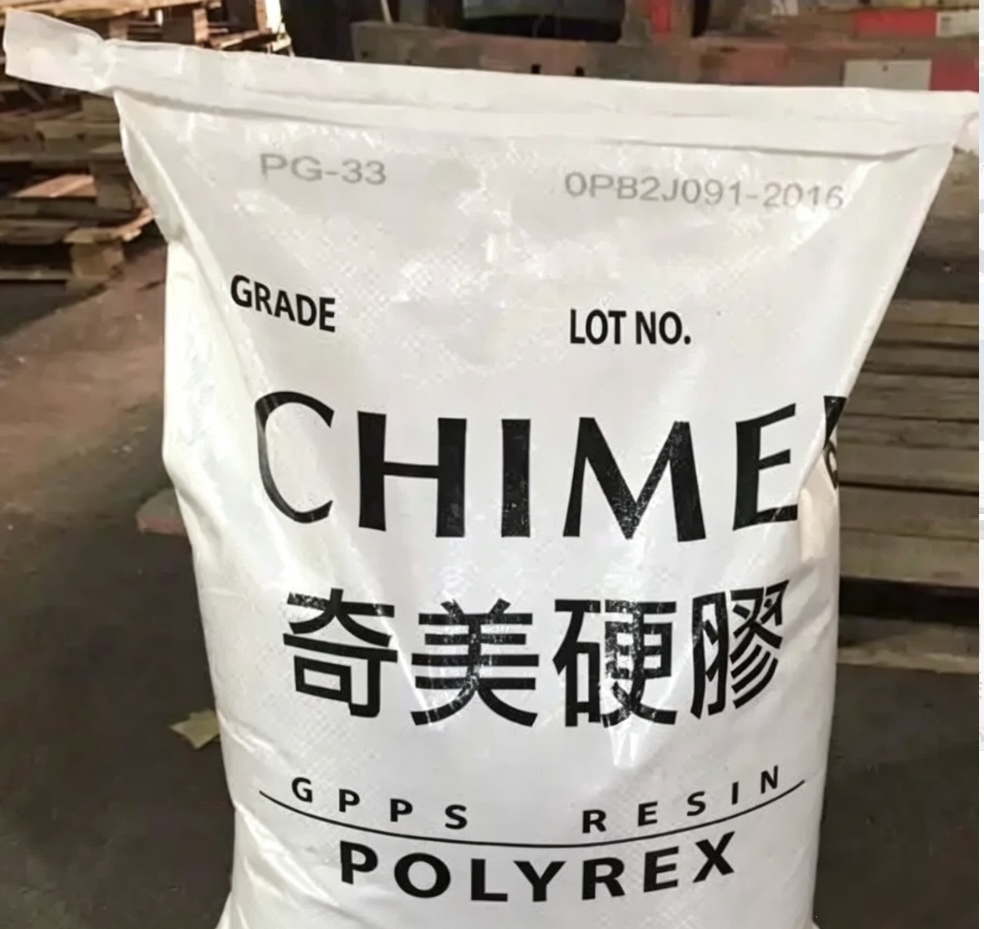
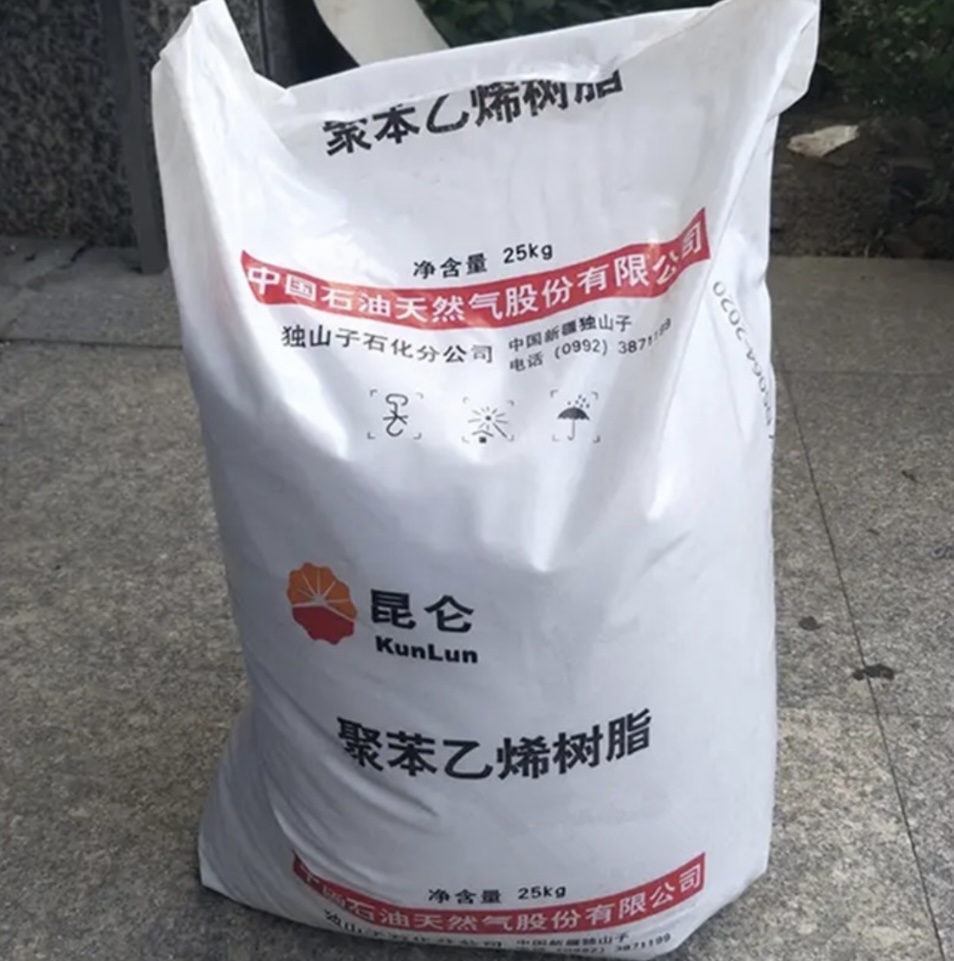
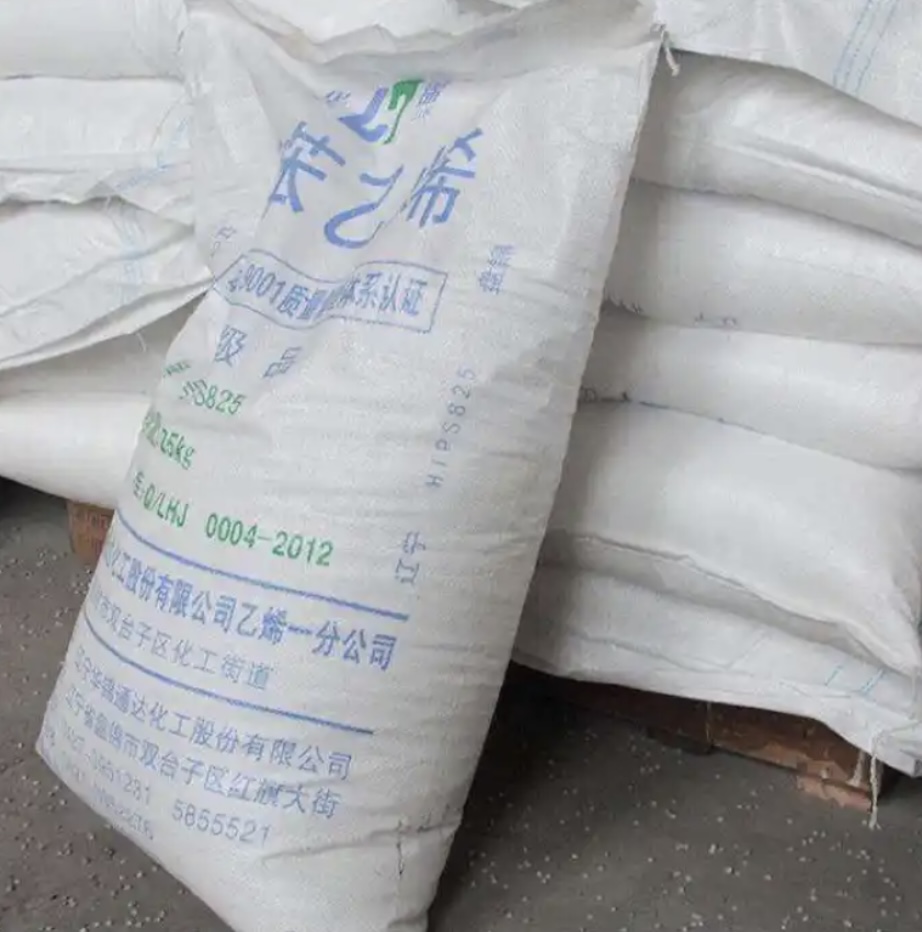
Order samples, then a small lot, then the full volume. Run the trial on your own tape line. Track tape breaks, stretch ratio, gloss and pellet cleanliness. Store the 25 kg bags in a cool, dry place, as the page advises. At Chengnuo, I encourage buyers to ask for the data sheet and batch certificate before any order, and to check them against the first bag they open.
Conclusion
Ask for producer, data sheet, batch papers, shipping terms and trial rules in writing. Written answers separate a reliable 1100N importer from a risky one.
References
UL Prospector. Advanced PP 1100N Datasheet.
ExxonMobil Chemical.PP Raffia Factsheet.
Wikipedia. Melt Flow Index.
Examine China. Polypropylene from China.
U.S. Government Publishing Office. 21 CFR 177.1520 – Olefin polymers.
DSV. Incoterms 2020.