How does LDPE Recycling Work? A Guide to LDPE Material Selection with Iran 2102TX00
Recycled LDPE does not always behave like the original resin. Skip this fact, and your next production run may show it in the cracks, the color, or the melt.
LDPE recycling works through collection, sorting, washing, and reprocessing through an extruder, where heat and shear reshape the material into usable pellets. The real question is not whether recycling works. It is whether the resulting LDPE grade still fits your application requirements after that process.
Recycling sounds simple on paper. Sort the film, melt it, pellet it, done. But contamination and repeated heat exposure change how LDPE behaves, and that change shows up on your line before it shows up in a lab report. I want to walk through what actually goes wrong in LDPE recycling, how to select a grade around that, and where Iran 2102TX00 fits into this conversation.
What Challenges Affect LDPE Recycling and Material Reprocessing?
Every recycled LDPE stream carries some history. That history does not disappear just because the material passes through an extruder one more time.
LDPE recycling faces four main challenges: material contamination, degradation from repeated processing, shifting mechanical properties, and processing stability on the line. Each one can change how a recycled resin performs, even when the base material started as ordinary LDPE film.
Contamination and Repeated Processing
Contamination is the first problem. Printing ink, labels, and mixed-material scraps end up in most LDPE waste streams. A study testing a de-inking pretreatment on LDPE film flakes found that removing surface ink alone did not guarantee better mechanical or flow properties, since impurities inside the material still affect the result.
Repeated processing adds a second layer to this problem. Heat and shear from each extrusion cycle can break polymer chains. Research on PP-LDPE blends exposed to simulated recycling recorded a rising melt flow rate and falling viscosity across repeated reprocessing cycles, along with a steady downward trend in overall properties. This is why one pass through an extruder rarely tells the whole story. A recycled LDPE stream behaves differently after its third or fourth cycle than it did after its first.
Mechanical Property Changes and Processing Stability
Mechanical properties shift along with repeated processing. Tensile strength, elongation, and stiffness do not always move the same direction, and the shift depends on how much virgin resin gets blended back in. Processing stability follows a similar pattern. A batch that runs clean one day can behave differently the next, especially when contamination levels vary between loads. Impurities such as mineral fillers can raise both density and melt viscosity, based on testing across several recycled LDPE streams, which shows why sorting and consistent feedstock quality matter as much as the extrusion step itself.
How to Select LDPE Materials for Recycling and Reprocessing Applications?
Picking a recycled-friendly LDPE grade is not about finding the lowest price. It is about knowing what your final product actually needs.
Select an LDPE material for recycling and reprocessing by checking melt flow rate, density, flexibility, processing compatibility, and final product requirements together. These five factors decide whether a recycled or blended LDPE grade will hold up in your application, not just on a data sheet.
Matching Selection Factors to Your Application
Melt flow rate tells you how the material will move through your extruder after reprocessing, since MFR tends to shift with each heat cycle. Density and flexibility affect whether the recycled resin still feels and performs like the original film, especially in flexible packaging or shrink film. Processing compatibility asks a different question: does this grade blend well with virgin resin, or does it need a separate line? Final product requirements close the loop, since a shrink film and an industrial liner do not tolerate the same level of property drift.
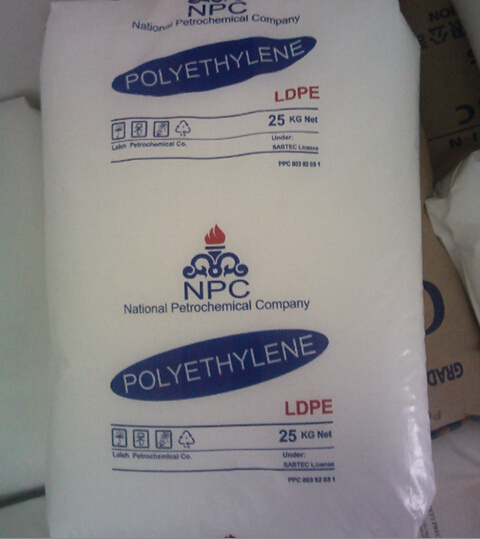
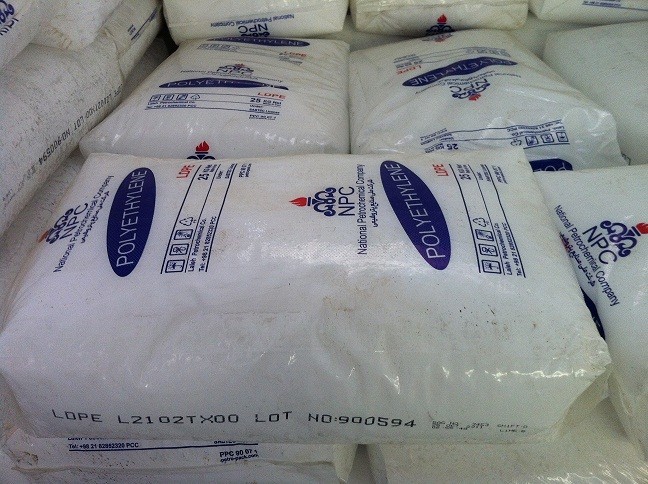
Blending virgin and recycled LDPE is one common approach. Work on a three-layer LDPE shrink film built with blended recycled and virgin resin found that the recycled content ratio needed careful adjustment to keep thermal, mechanical, and optical properties close to a virgin-only film. Iran 2102TX00 can be evaluated as an LDPE grade based on processing requirements and application needs in recycling-related production, following this same selection logic rather than any single property claim.
| Selection Factor | What It Tells You | What To Check in Practice |
|---|---|---|
| Melt Flow Rate | How the material moves after reprocessing | Test across multiple reprocessing cycles, not one |
| Density | Stiffness and blend ratio effects | Compare recycled batches against your virgin baseline |
| Flexibility | Whether the film still feels and folds right | Trial in your specific end-use application |
| Processing Compatibility | Fit with your existing line and blend ratio | Confirm extrusion settings before scaling up |
Why is Iran 2102TX00 Considered for LDPE Recycling Applications?
A grade name alone does not answer the recycling question. What matters is how that grade behaves once contamination and reprocessing enter the picture.
Iran 2102TX00 is considered for LDPE recycling applications based on its grade characteristics, processing behavior, and compatibility with common reprocessing methods. Manufacturers weigh these factors against their own contamination levels and final product needs before deciding if a grade fits their recycling line.
Grade Characteristics and What Still Needs Verifying
I look at grade characteristics first: melt flow behavior, density range, and how the resin has performed in blown film or reprocessing trials elsewhere. Iran 2102TX00 falls into the general LDPE category used across film and reprocessing applications, the same category researchers study when they track melt flow and mechanical changes across recycled LDPE cycles. That connection matters more than any single number on a spec sheet, since recycling performance depends on the whole process, not one property in isolation.
Processing considerations come next: how the grade responds to blend ratios with virgin resin, and how consistent it stays across multiple reprocessing passes. Potential applications follow from there, spanning film, liner, and general reprocessed packaging uses, depending on how much property drift the end use can tolerate. Compatibility with recycling processes is the real test. Twin-screw extrusion trials on virgin and recycled LDPE blends found flow properties staying within an acceptable range for standard extrusion, without major equipment changes, which is a practical benchmark worth checking for any grade under review. This is the sort of question I sit with often when I help buyers at Chengnuo think through LDPE options for recycling-related production. I am not claiming one grade solves every recycling challenge. I am pointing at what to verify, batch by batch, before Iran 2102TX00, or any comparable grade, earns a spot in your process.
Conclusion
LDPE recycling performance depends on contamination control, reprocessing history, and careful grade selection, not on a single resin name or spec sheet claim.
Reference
- Müller, Kolář, Mishra – Mechanical and Thermal Degradation-Related Performance of Recycled LDPE from Post-Consumer Waste, Polymers (2024)
- Mechanical and Flow Properties of Virgin and Recycled LDPE Blends Using Twin Screw Extrusion
- Hamburg University of Technology – De-Inking Pretreatment Study for LDPE Film Recyclate
- University of Waterloo – Thermo-Mechanical Degradation of PP-LDPE Blends Exposed to Simulated Recycling
- Gdańsk University of Technology – Processing, Mechanical and Thermal Properties of Recycled LDPE Streams
- Universiti Tun Hussein Onn Malaysia – Three-Layer LDPE Shrink Film with Recycled and Virgin Resin Blends