How to Evaluate Plastic Resin for Manufacturing: A Practical Guide to Borealis Borouge RD208CF
A resin looks right on paper. Then the film curls, seals weakly, or fails approval. I have watched this happen when buyers skip the evaluation.
Evaluate a plastic resin in four steps. Confirm the exact grade identity. Read the official datasheet with its test methods. Match the data to your process and end product. Verify the supplier's documents. Borealis Borouge RD208CF is a good grade to practice on.
Most guides stop at material families. They skip datasheets, test conditions, and grade identity. I will cover those gaps and show how I work through RD208CF at Chengnuo. Keep reading, because one missed footnote can change a buying decision.
Why Plastic Resin Selection Matters in Manufacturing?
A wrong resin costs more than its price per ton. It costs scrap, downtime, and lost orders.
Resin selection matters because the grade sets processing behavior, product performance, and approval risk. Two resins with similar names can run differently on the same line. A careful choice lowers scrap and avoids rework after production starts.
Cost Beyond Price
I judge resin cost by yield, not by invoice. A grade that runs at the right speed and seals well beats a cheaper grade that causes breaks. Common guides list strength, color, and regulation as the main selection factors. I agree with those. I add one more: how the material behaves on your own line. So I ask buyers about line speed, film thickness, and sealing before I talk about grades. At Chengnuo, this first talk saves the most time later.
What is Plastic Resin, and Why Do Different Grades Matter?
Many buyers say "PP" and stop there. That one word covers dozens of different materials.
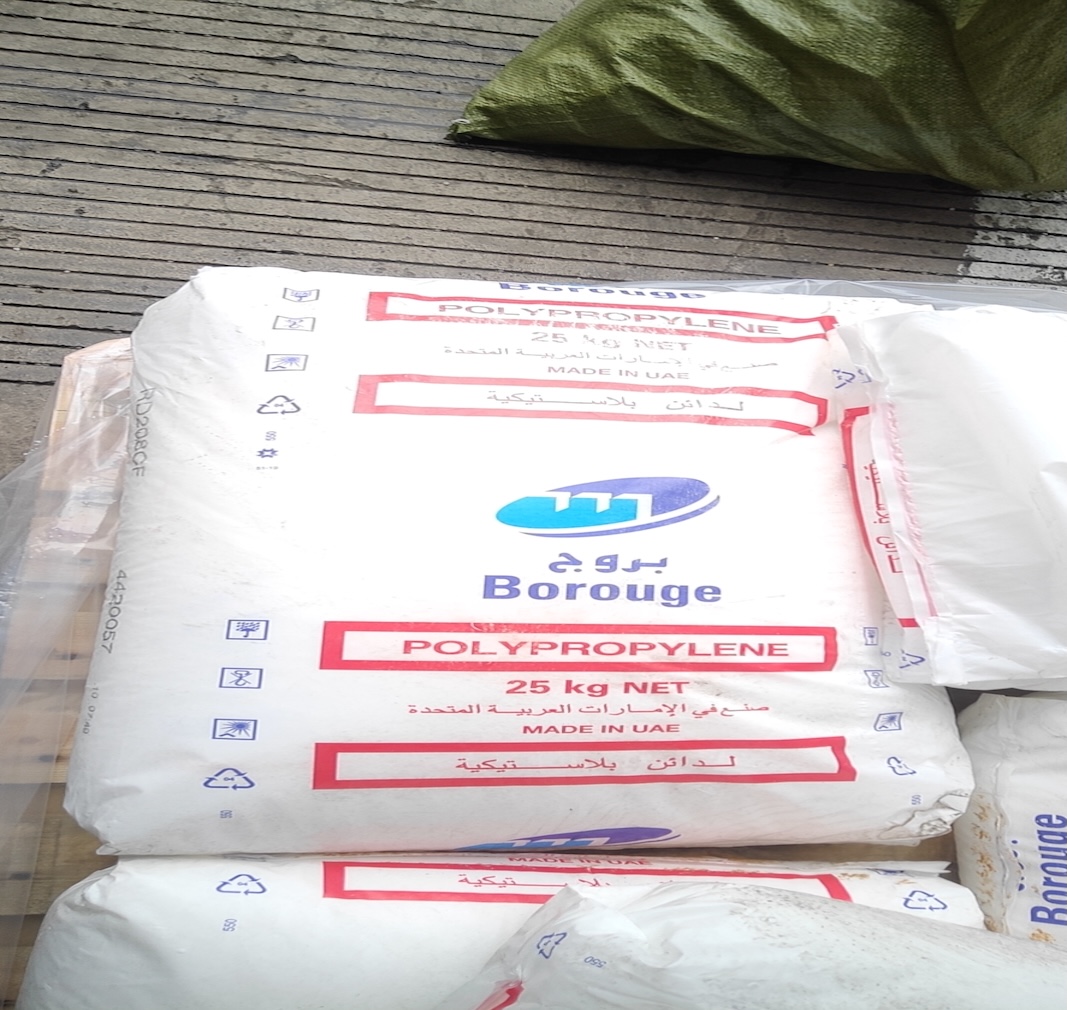
Plastic resin is the base polymer, usually in pellet form, that manufacturers melt and shape into products. Grades matter because melt flow, additives, and polymer structure differ. Each grade is tuned for a process, such as cast film or injection molding.
Family, Type, Grade
I think in three layers. The family is polypropylene. The type is homopolymer, impact copolymer, or random copolymer. The grade is the exact code, such as RD208CF. Guides split resins into commodity, engineering, and specialty groups, and that helps. But the type and grade decide the result. Borealis lists RD208CF as a random copolymer for flexible consumer and food packaging. Buyers who stop at the family level often compare the wrong things.
Which Factors Should You Evaluate Before Choosing a Plastic Resin?
Buyers often check strength first. Then the resin does not run on their line.
Evaluate the process, melt flow rate, mechanical needs, optical needs, additives, regulatory documents, and storage conditions. Start with how you will make the part. Then check each property against a measured target, not a general description.
Process First, Properties Second
My order is simple. Process comes first, such as cast film or injection molding. Melt flow rate comes second, because it shows how the melt moves. But ASTM D1238 calls MFR an empirical value. It works mainly for quality control and may not predict large-scale processing. So I use MFR to screen, not to decide. Stiffness, impact, and optics come next. Additives and compliance follow. Storage and handling come last. I write each target down with its unit and test method, so a supplier cannot answer with a vague claim.
How to Read a Plastic Resin Datasheet before Making a Decision?
A datasheet has many numbers. Most buyers read the headline values and skip the notes. The notes hold the traps.
Read a datasheet in order: grade name and edition, intended process, property values with units and test methods, additive list, then notes and disclaimers. Typical values describe the product. They are not specification limits.
The Notes Matter Most
The RD208CF datasheet shows the point well. Its flexural modulus comes from injection-moulded specimens, not film. It also says typical values should not be used for specification work. Density, tensile strength, and haze are not listed. Another page for the same grade cites ASTM D1238 for melt flow, while the datasheet uses ISO 1133-1. I read each method before I compare two numbers. I also check the edition date, because a newer sheet can change a value.
Evaluating Borealis Borouge RD208CF as a Specific Resin Grade?
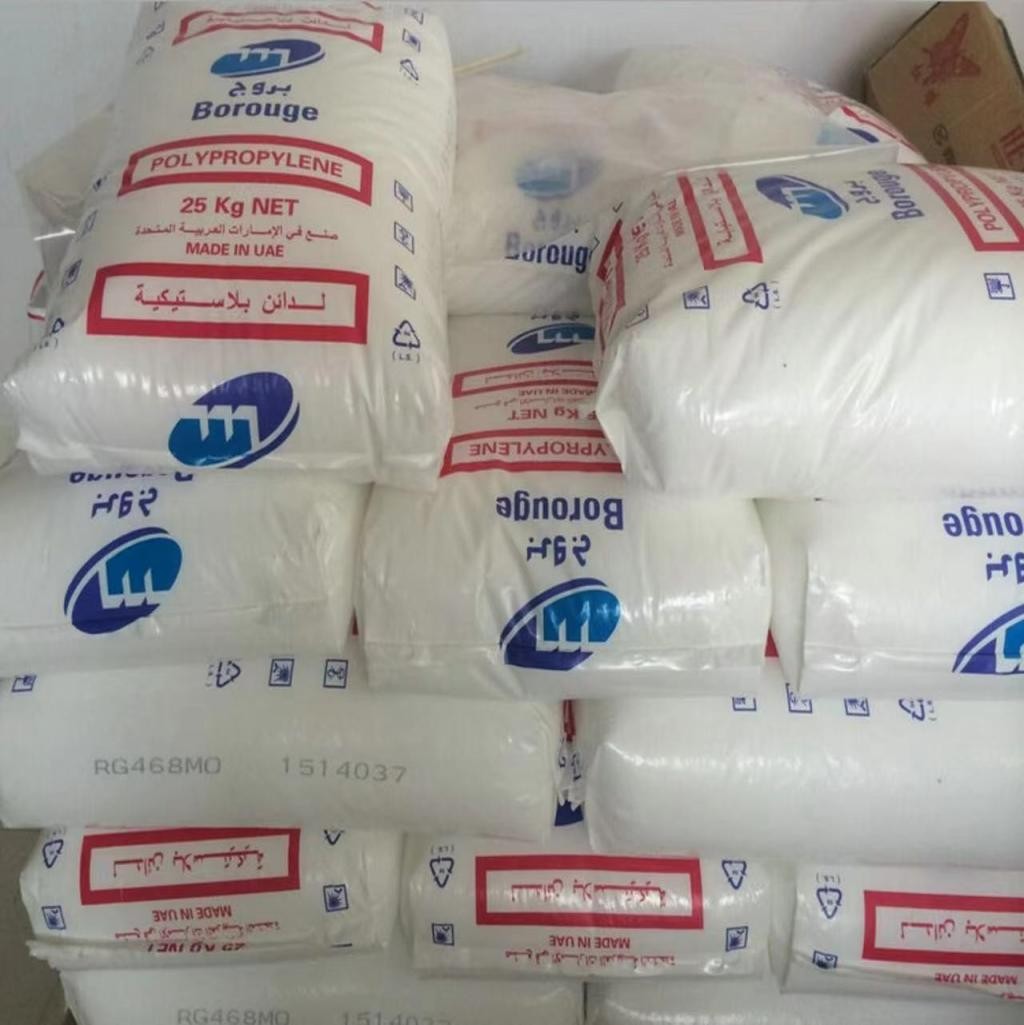
Borealis, Borouge, and supplier pages all carry RD208CF. The names differ, so I confirm the grade first.
RD208CF is a polypropylene random copolymer for unoriented chill roll cast film. The datasheet lists a melt flow rate of 8 g/10 min, a soft feel, high impact strength, and superior optics. It contains no antiblock, slip, or calcium stearate.
What the Datasheet Says
Borealis is now Borouge International, so you may see both names. I treat the datasheet as the anchor and check supplier pages against it. Named uses include soft packaging, lamination, stretch, stationery, and metallisable film. The table lists the typical values.
| Property | Typical value | Test method |
|---|---|---|
| Melt flow rate (230 °C / 2.16 kg) | 8 g/10 min | ISO 1133-1 |
| Flexural modulus | 650 MPa | ISO 178 |
| Charpy notched impact (23 °C) | 6.5 kJ/m² | ISO 179-1/1eA |
| Melting temperature | 140 °C | ISO 11357-3 |
| Vicat softening temperature A50 | 125 °C | ISO 306 |
Food packaging is listed as a use, but the datasheet has no food-contact statement. I ask for the separate compliance declaration.
How to Compare RD208CF with Other Plastic Resin Grades?
Comparing grades by melt flow alone is a common mistake. Equal MFR does not mean equal behavior.
Compare grades by process, MFR, additive package, and intended layer. In the Borouge cast film range, RD208CF has no listed additives. RD211CF, RD265CF, and RD368CF include an antiblock, and RD239CF adds slip and antistatic-related additives.
Same MFR, Different Job
Look at the Borouge random copolymer range. RD265CF, RD239CF, and RD368CF share an MFR of 8 with RD208CF. The difference is the additive package and the target use. RD265CF adds stiffness and retort capability. RD368CF targets high line speed and metallisable sealing layers. RB707CF is the blown film grade, with an MFR of 1.5. When a customer wants slip or antiblock, I ask one question. Will you add a masterbatch yourself, or do you want it built in? That choice changes cost and control.
What Should Buyers Verify before Ordering a Plastic Resin?
Approval fails late when checks come late. A short list prevents that.
Verify the exact grade code, datasheet edition, producer name, additive list, food-contact and regulatory documents, storage terms, and lot certificate. Then run a trial on your own line before a full order.
My Pre-Order Checklist
I ask for six items. First, the grade code, spelled correctly. One supplier page I read mixes "RD208CF" with "RD2o8CF" and a mistyped test condition. Second, the current datasheet. Third, the compliance documents, which the producer lists separately. Fourth, a lot certificate. Fifth, storage terms: dry, below 50 °C, away from UV light. Sixth, a small trial. At Chengnuo, I would rather lose a day to checks than lose a month to a rejected lot.
Conclusion
Good resin selection starts with identity, then data, then testing. For RD208CF, the datasheet, its test methods, and a line trial matter more than the grade name.
References
RD208CF – Borealis Product Catalogue
Product Data Sheet, Polypropylene RD208CF, Ed. 3 (17.10.2022) – Borealis
Random Copolymer Flexible – Borouge Industry Solutions
Borouge RD208CF Random Copolymer Polypropylene – Chemate Group
How to Select the Best Resin for Your Plastic Injection Part – DJ Molding
ASTM D1238: Melt Flow Rates of Thermoplastics by Extrusion Plastometer – ASTM International