Polypropylene Homopolymer vs Copolymer: How Should Buyers Evaluate PP Resin?
Why does PP Resin Selection Require More than a Grade Name?
Two PP bags can carry the same polymer name. They can still behave very differently on your machine. A grade name alone leaves you guessing.
PP resin selection needs more than a grade name because polymer type, melt flow, and test data decide how a resin runs and performs. I match each resin to the part, the process, and the working conditions before I compare prices.
In this article, I answer one question. How do homopolymer and copolymer change your choice? I also explain why I treat Yanchang Petrochemical EPS30R-B as a grade worth testing in the impact direction.
What is the Practical Difference between Polypropylene Homopolymer and Copolymer?
Many buyers ask me for "PP" and stop there. That one word hides three material families, and each family behaves in its own way.
Homopolymer PP is made from propylene only. It is stiff and strong. Polypropylene copolymer adds ethylene to gain toughness or clarity. Impact copolymer PP adds a rubber phase, so the part resists cracking, even in the cold.
According to Entec's PP guide, homopolymer has the highest stiffness and heat resistance, but its toughness is poor in cold conditions. Random copolymer carries a small share of ethylene. That lowers stiffness and improves clarity. Impact copolymer is built in two reactors: a homopolymer backbone first, then a rubber phase.
Machine Design notes that the applications overlap a lot. It adds that the choice is often made on non-technical grounds. I disagree with the last part. The part drawing should decide, not habit. I ask what the part must survive: a drop, a cold warehouse, or a hot wash. Then I pick the type.
When Should Buyers Consider an Impact Copolymer PP?
A box passes every test at room temperature. Then it cracks in a winter warehouse. I have seen this pattern more than once.
Consider an impact copolymer PP when the part faces drops, knocks, or cold storage. Homopolymer can turn brittle in the cold. Impact copolymer keeps more toughness, but it gives up some stiffness.
The Society of Plastics Engineers points high-impact needs to impact copolymer, and stiffness needs to homopolymer. I turn that advice into three questions. What is the lowest temperature the part will see? How hard will it be hit? How much bending can the wall accept? If the answers are cold, hard, and little, I lean toward impact copolymer. Then I ask for numbers, not the word "copolymer." A name proves nothing. A test result at a stated temperature does.
What Should Buyers Know about Yanchang Petrochemical EPS30R-B?
Buyers often send me a grade name with no context. EPS30R-B is a good example, because the last letter matters.
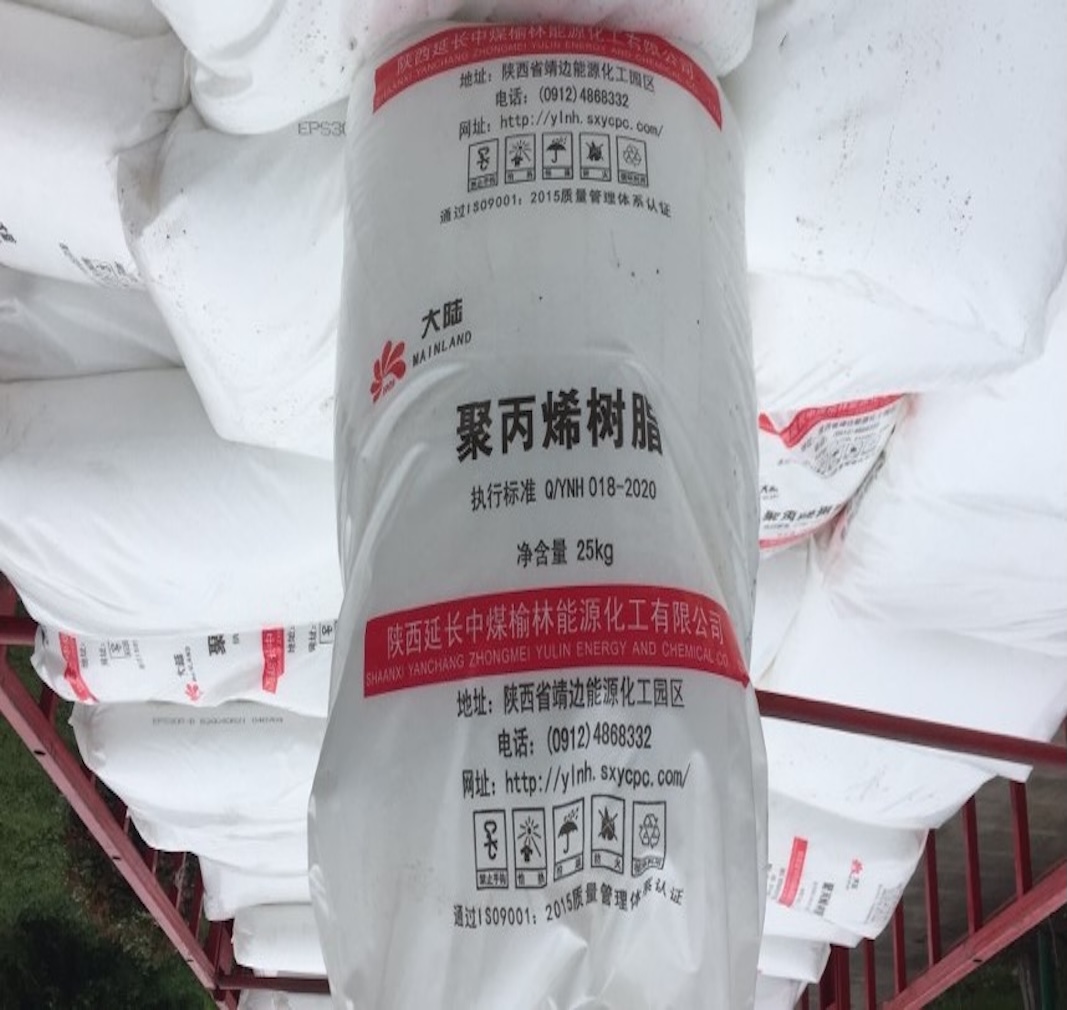
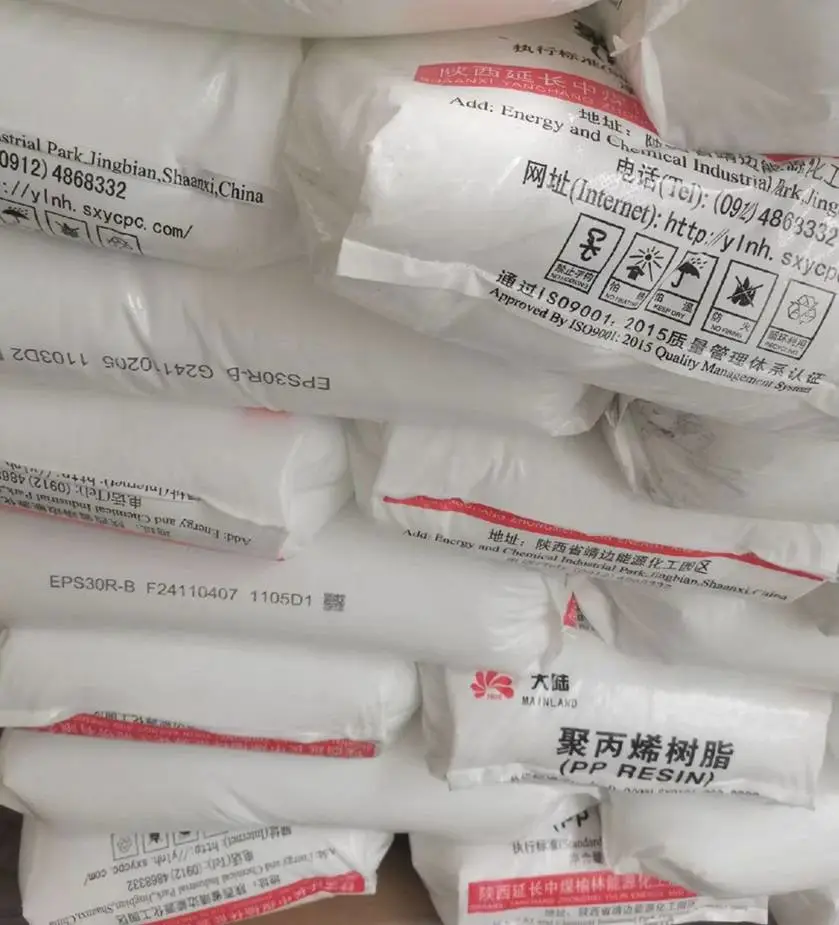
Yanchang Petrochemical EPS30R-B is an impact copolymer PP. A public supplier listing describes it as the base grade EPS30R with a small amount of 1-butene added, which aims to improve low-temperature impact.
What type of PP resin is EPS30R-B?
It is a copolymer PP, often written PP-B. A trade-show listing from Shaanxi Yanchang calls it a low-MFR copolymer. Other listings of the base grade EPS30R say "low melting point." Those terms differ. Melting point describes heat. MFR describes flow. I always ask which one the data sheet reports.
Which processing methods is EPS30R-B designed for?
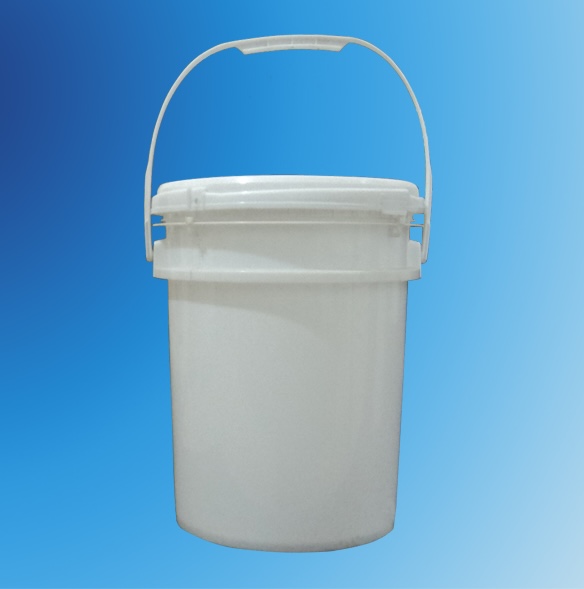
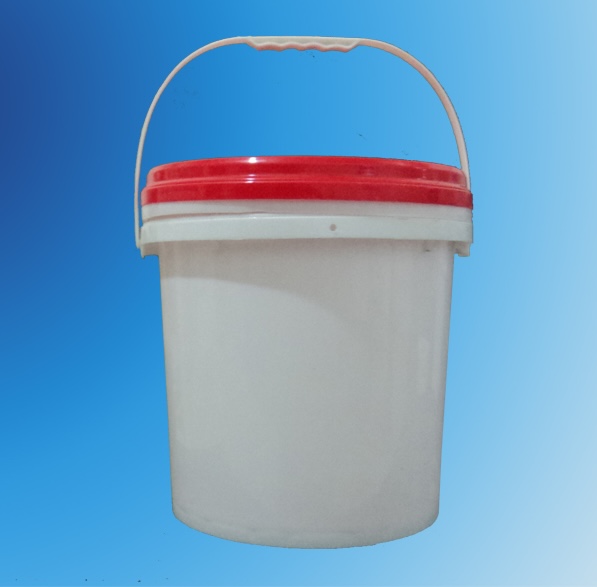
That listing shows injection molding for heavy-duty packaging boxes, paint pails, toys, and household goods. The grade is also positioned for extrusion. I treat extrusion as a point to confirm with the maker's technical data.
What should be checked before selecting EPS30R-B?
I check melt flow with its test condition, impact strength with its temperature, and flexural modulus. ASTM D1238 measures melt flow, and the load and temperature change the result. A base-grade EPS30R data sheet from another producer lists Charpy impact at -20 °C with a test standard beside each value. That is the detail I want to see.
How does Yanchang V30G Differ from EPS30R-B in Material Selection?
Two grades from one producer can answer different questions. V30G and EPS30R-B are a good pair to compare.
V30G is a PP homopolymer for general injection molding and blending. EPS30R-B is an impact copolymer for injection molding and extrusion. I use them as two reference points, and the part's needs decide which one fits.
I do not rank them. Without matched test data, a ranking is a guess. This table shows how I frame the choice.
| Item | Yanchang V30G | Yanchang EPS30R-B |
|---|---|---|
| Polymer type | Homopolymer | Impact copolymer (PP-B) |
| General trait of the type | Stiffness and strength | Toughness, also in the cold |
| Positioning | General injection and blending | Injection molding and extrusion |
| I verify first | Stiffness, flow, heat resistance | Cold impact, flow, stiffness loss |
I also watch the trade-off. More impact usually costs some stiffness. So I ask how much stiffness the part can lose.
Can the Same PP Resin be Used for Both Injection Molding and Extrusion?
A buyer once asked me to run one resin on both an injection press and an extrusion line. The idea saves stock. It also carries risk.
Sometimes, yes. But polymer type does not decide it. Melt flow, melt strength, equipment, and the final part decide it. A grade that runs well in one process may need new settings in the other.
Injection molding needs a melt that fills the mold. Extrusion needs a melt that holds its shape after the die. Entec explains that a higher MFI means lower molecular weight, and that MFI affects processing and cycle time. A low-MFR grade like EPS30R-B usually flows slowly. Thin walls may need more pressure or heat. So I check the maker's processing window first. Then I run a short trial on your machine before a full order. The data sheet supports a decision. It does not replace a trial.
What Information Should Buyers Request before Ordering a PP Resin?
Most order problems I see start with a missing document. The resin itself is usually fine.
Request the full technical data sheet, test conditions, a sample for trials, batch quality data, and packaging and delivery terms. These items let you compare grades fairly and avoid surprises at the factory.
Is there a full data sheet with test methods and conditions?
Do the key values match the target part?
Can the supplier provide samples and batch quality information?
Do the grade, packaging, and delivery fit the purchase plan?
At Chengnuo, we ask what the part does before we suggest a grade. The answer often changes the shortlist. I also confirm the producer. The code EPS30R appears in the listings of several producers, so I check the producer name and the full code, including the suffix.
Conclusion: Which PP Resin is the Better Fit for Your Production Requirements?
Type labels narrow the list. The part, the process, and verified data decide. I use V30G and EPS30R-B as reference points, and at Chengnuo we always start with the part.
References
Entec Polymers. Polypropylene 101
Machine Design. What's the Difference Between Polypropylene Types?
Plastics Engineering, Society of Plastics Engineers. Choosing the Right Polypropylene Grade
ASTM International. D1238 Standard Test Method for Melt Flow Rates of Thermoplastics by Extrusion Plastometer
Shaanxi Yanchang Petroleum (Group), exhibitor listing. Low MFR PP Copolymer EPS30R/-B
Gansu Longchang Petrochemical Group. Polypropylene Granules Low Melting Point Copolymer EPS30R