How is Yanchang 50100Y Recycled and Why is it so Widely Accepted?
Warehouses fill up with empty drums every week. Buyers ask me the same question at almost every trade show. Does Yanchang 50100Y actually go back into the loop, or does it just sit in a landfill once the product inside is gone?
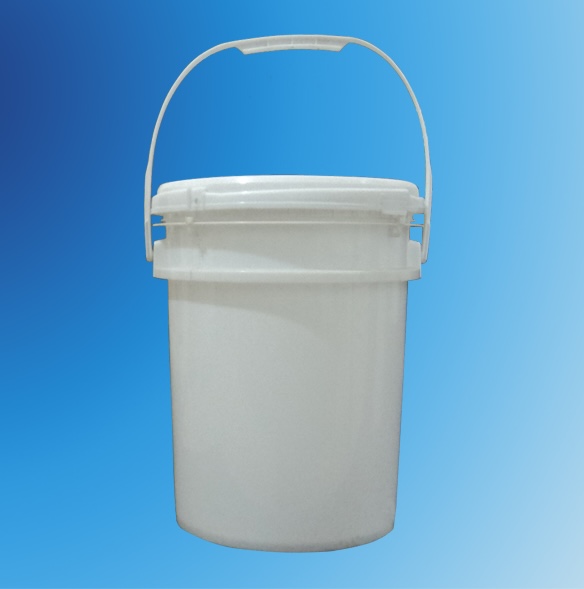
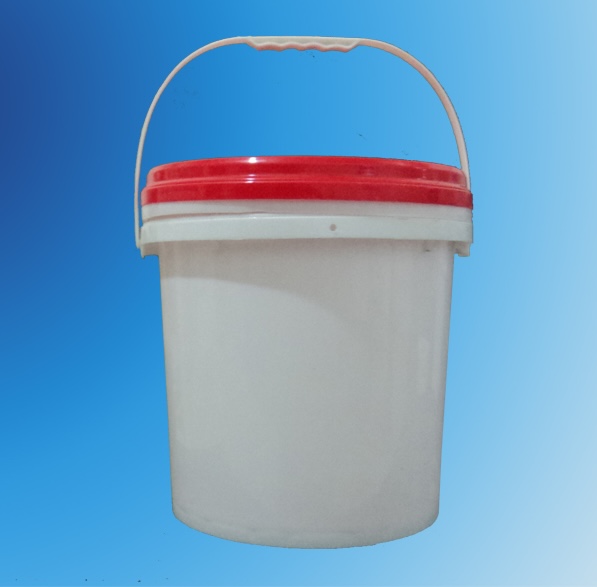
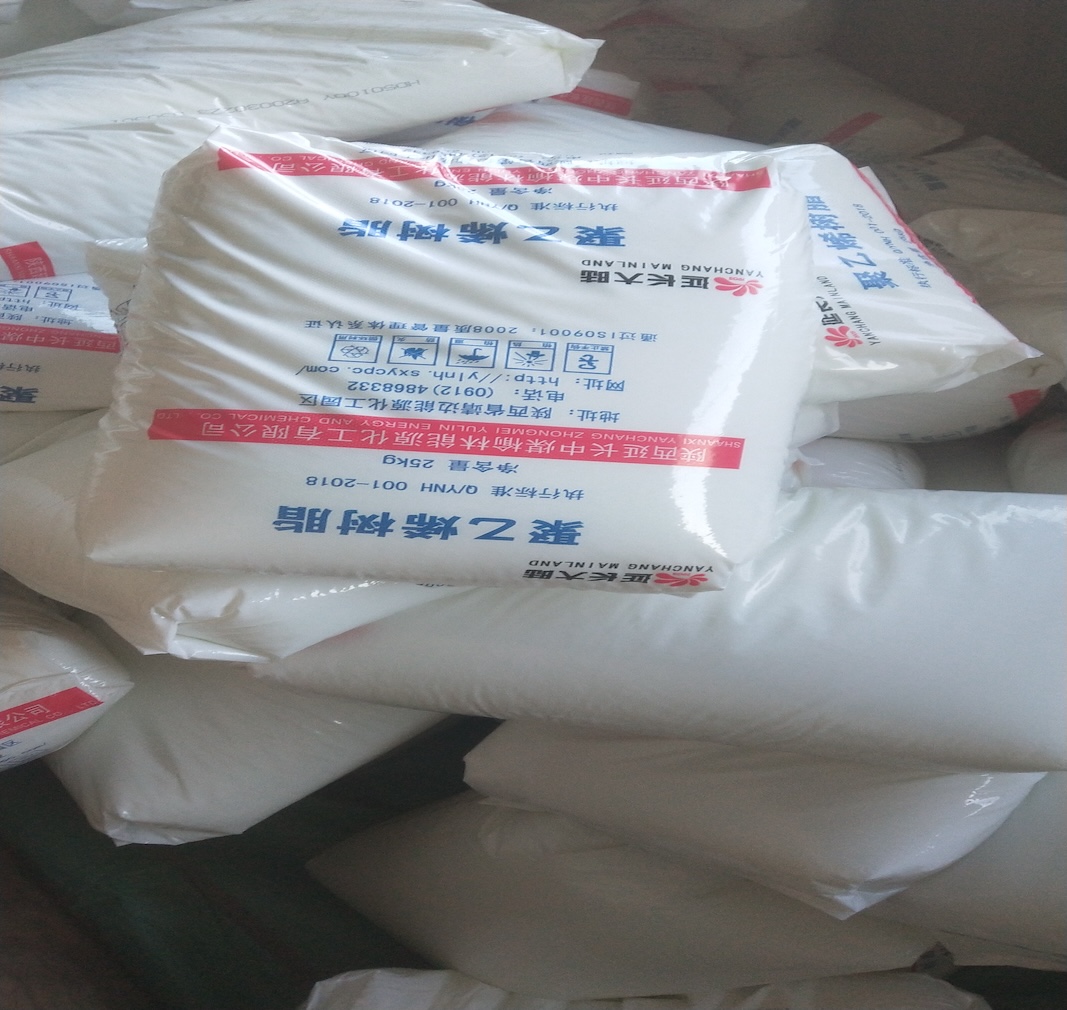
The short answer is yes. Yanchang 50100Y is a blow-molding grade of high-density polyethylene, marked with resin code 2. Code 2 plastics sit near the top of the list for global recycling programs. Facilities wash, melt, and reshape this resin into new drums, pipes, and containers, often with very little loss in performance.
I want to walk through why this matters, not only for buyers chasing a sustainability claim, but for anyone who specs a material for a real product. The answer changes how you think about the whole life of a plastic part, not just its first use. Keep reading, because the next four questions cover what happens after the drum leaves your warehouse.
Are Yanchang 50100Y Plastics Recyclable?
I hear this question at almost every meeting. People assume a plastic drum becomes trash the moment it is empty.
Yes, Yanchang 50100Y is recyclable. It is high-density polyethylene, one of only two resin types that most municipal and industrial recycling programs collect and process on a routine basis, alongside PET.
Recyclability is not automatic just because a resin can technically be melted down again. A recent industry review shows that only two types of plastic, PET and HDPE, are commonly recycled by curbside programs in the United States. The other five resin types often fall into a gray area. Their chasing-arrows symbol suggests recyclability. However, local systems often don’t support this in practice (Kitech Recycling). HDPE avoids that gray zone. Its chemistry is stable. It doesn't have the chlorine that makes PVC hard to process. Plus, it keeps its mechanical properties even after repeated melting. One legal analysis of resin labeling rules highlights an important point: a resin code shows the material but doesn’t ensure it can be recycled. Regulators allow an unqualified recycling claim only if most people can access recycling facilities in the area where the product is sold (LegalClarity). For a blow-molding grade like 50100Y, used in mid-size drums and pallets, that infrastructure already exists in most industrial recycling channels.
Can Yanchang 50100Y be Recycled in Curbside Bins?
People want a simple yes or no answer here, and I understand why.
In most cases, yes. Rigid HDPE items stamped with resin code 2 are accepted by the majority of curbside recycling programs, provided they are rinsed and free of hazardous residue.
The table below summarizes how HDPE compares with other common resin codes, based on current industry recycling guides.
|
Resin Code |
Material |
Typical Curbside Acceptance |
|
1 (PET) |
Polyethylene terephthalate |
Widely accepted |
|
2 (HDPE) |
High-density polyethylene |
Widely accepted |
|
3 (PVC) |
Polyvinyl chloride |
Rarely accepted |
|
5 (PP) |
Polypropylene |
Limited, growing |
|
6 (PS) |
Polystyrene |
Rarely accepted |
One recycling guide notes that HDPE is treated much like PET: almost every curbside pickup program takes rigid HDPE such as bottles, jugs, and small containers, but flexible or film-type HDPE usually needs a separate drop-off point (Everyday Recycler). A separate source draws the same line, stating that codes 1, 2, and 5 are the resins most likely to be accepted locally, while codes 3, 6, and 7 rarely make it through standard collection (LegalClarity). For 50100Y specifically, most applications are rigid containers and drums rather than film, which places the material solidly in the accepted category. One detail worth remembering: household curbside bins are built for small containers. Larger industrial drums, like the ones this resin is often blown into, usually move through separate industrial or municipal drop-off channels rather than a home recycling bin.
Why is Yanchang 50100Y Easy to Recycle Compared to Other Plastics?
This is the question I find most interesting, because the answer is not really about the plastic. It is about the recycling system built around it.
Yanchang 50100Y is easy to recycle. HDPE is a stable polymer, so sorting equipment can quickly identify it. Plus, there’s a strong market for the recycled material.
Modern material recovery facilities use near-infrared sensors to sort plastics by type before melting them. One overview of the packaging industry says that near-infrared (NIR) sorting detects the wavelength signature of a resin. It can quickly distinguish PET from HDPE. However, it has trouble with dark pigments and shrink-sleeve labels (Grounded Packaging). 50100Y is a mono-material HDPE. It gives a clean, consistent signal at the sorter. This is better than multi-layer or mixed-resin packaging. The overview highlights this as a mono-material advantage for downstream reprocessing. Additionally, one recycling explainer mentions that HDPE can be reprocessed up to ten times. After that, its mechanical properties decline too much to be useful. This keeps the demand for recycled HDPE flake high (Roadrunner Waste Management). Combine easy sorting with strong demand, and recycling this resin becomes economically viable. It doesn’t rely on subsidies to support the market.
Where to Recycle Yanchang 50100Y Near Me?
I get this question from people who genuinely want to do the right thing but do not know where to start.
First, check your local curbside program for rigid containers. For larger 50100Y blow-molded items, like pallets and mid-size drums, use an industrial recycler or a drum reconditioner.
Local rules vary more than most people expect. The U.S. Environmental Protection Agency has tracked HDPE recovery for years. In 2018, they reported a recycling rate of about 29.3 percent for natural HDPE bottles. This figure comes from national container and packaging data (U.S. EPA). That rate shows household bottle recycling, not industrial drum reconditioning. Industrial recycling typically goes through a different channel. This channel has a higher recovery rate because it handles larger material volumes, making it easier to process in bulk. If you are unsure where a specific 50100Y item belongs, start with three checks: confirm the item is rigid rather than film, rinse out any residue, and contact your local hauler or an industrial packaging recycler directly, since acceptance rules are set at the municipal or regional level rather than nationally.
Conclusion
Yanchang 50100Y, as an HDPE resin code 2 material, sits among the most recyclable plastics available, backed by stable chemistry, easy sorting, and steady market demand.
Sources referenced:
1. Kitech Recycling — "The Real Recyclable Plastics List: Which Resins Get Recycled"
2. LegalClarity — "Resin Identification Codes: Meanings, Labels, and Recycling"
3. Everyday Recycler — "Plastic Number Guide: Plastic No. 2 High-density Polyethylene"
4. Grounded Packaging — "The Role of MRFs in the Circular Economy"
5. Roadrunner Waste Management — "How to Read Plastic Recycling Symbols"
6. U.S. EPA — "Containers and Packaging: Product-Specific Data"