How do You Choose the Right Plastic Packaging Container for Chemicals and Coatings?
One wrong container can ruin a full batch. A swollen wall or a weeping lid costs far more than the pail itself.
To choose the right chemical packaging container, match the resin to the product, check the lid and gasket for sealing, and confirm the pail survives drops and stacking during transport. Always test with the real product first.
Chemical packaging is not just putting liquid into a bucket. I have worked with plastic materials for over ten years. Buyers usually ask about price and size first. The questions that matter come later. Three things decide whether a container works: chemical compatibility, sealing, transportation
At Chengnuo, we start every material talk with these three. Below, I show how I check each one.
What Should You Consider before Selecting a Chemical Packaging Container?
Most failures I see do not come from bad plastic. They come from good plastic used in the wrong place.
Before selecting a chemical packaging container, check chemical compatibility, sealing performance, and impact resistance during transport. Compatibility must cover the body, lid, and gasket. Test the real product in the real container before a bulk order.
1. Chemical Compatibility
Not all plastics suit every chemical. ISHN points out that acids corrode metals and solvents weaken plastics. So the Safety Data Sheet is the first document I read. I then run a small trial: fill a sample pail, close it, and check it again after a few weeks for swelling, odor, or color change. Royal Chemical adds that polyethylene suits many products, but strong acids and some strong bases may need a special PE formulation.
HDPE does well with acids, bases, and alcohols. It does poorly with aromatic hydrocarbons, chlorinated solvents, and ketones, as Laird Plastics explains. I cover these limits in my HDPE packaging article.
Here is the gap I see most. Buyers check the pail body only. Baytec Containers advises checking the body, lid, gasket, liner, and dispensing cap together. In my experience, the gasket swells first. Mixed products need extra care too. A blend can react more than each part alone, so test the finished mix.
2. Leak-Proof Sealing Performance
A strong pail body means little with a weak lid. A plastic pail with lid should seal the way you actually use it. Baytec lists four common lid styles:
(1) Gamma Seal lids for airtight, repeated opening
(2) screw-top lids for resealing
(3) tear-tab lids for tamper evidence
(4) snap-on lids for simple closing
I pick the lid by how often the pail opens. A snap-on lid can lose grip after many openings. For volatile products, I lean toward screw-top or gasketed lids. Also, Berlin Packaging notes that standard HDPE buckets cannot give a hermetic seal. So I never promise "airtight" for a basic snap-on lid. Dried product on the rim is another common cause of leaks. A clean rim keeps the seal tight.
Pressure is the next issue. Some blends give off gas or heat after filling. ISHN says such products may need pressure relief, stronger seals, or extra protection. I ask one question here: will this product still be stable after two weeks in a warm warehouse? If the answer is unclear, I choose a stronger closure and test it.
3. Impact Resistance During Transportation
Pails face drops, stacking loads, and temperature swings. Baytec says UN-rated containers are tested for drop, stacking, leak, and pressure performance. Even without a UN rating, I use those four tests as my checklist.
Slow cracking is the hidden risk. Regent Plast explains that chemical contact plus constant load can crack HDPE over time. Higher molecular weight, even wall thickness, and no sharp corners help. A pail that sits under a full pallet for weeks faces this load. So I look at the rim and handle joint, not only the wall.
Why are HDPE Plastic Pails Used for Chemical Packaging?
Metal drums rust. Glass breaks. Many chemical makers moved to plastic for these reasons.
HDPE pails suit chemical packaging because they resist many acids and bases, absorb little moisture, handle impact well, and weigh less than metal. They also come in many sizes and lid styles.
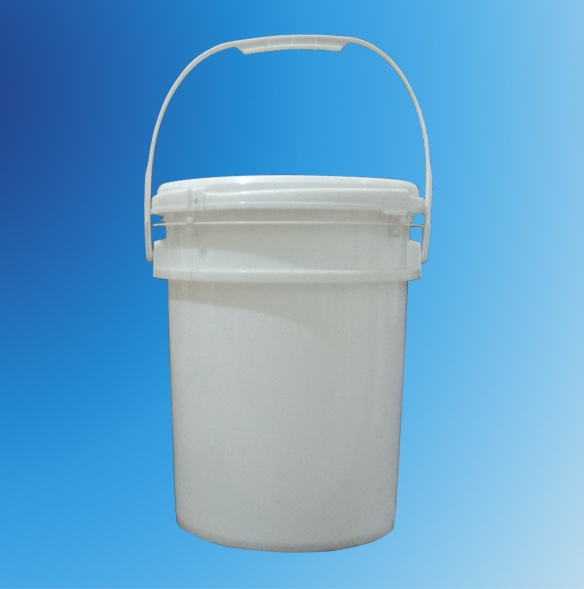
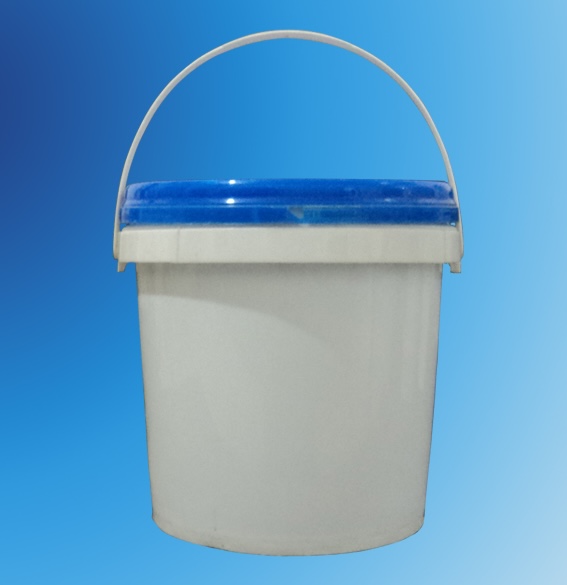
A 5L HDPE Plastic Pail with a secure lid design can provide a practical solution for small-volume chemical packaging.
Royal Chemical calls HDPE the most common pail material. It resists sun damage and corrosion, dents less than metal, and cuts shipping weight. Berlin Packaging adds that HDPE works for products that freeze and for hot-filled products up to 180°F. It also notes that HDPE suits acid concentrates and some caustics, but not solvents. I repeat that last point to every buyer.
The small size has its own value. A 5L pail is easy for one person to lift. It limits waste, because you open less product at a time. In my work, I often suggest it for additives, samples, and trial batches. A buyer can confirm compatibility in a small pail before moving to a larger container. Color options also help plants separate products by code.
Cost matters too, but I look at total cost. A cheaper pail that leaks one in fifty shipments is not cheap. The loss of product, the cleanup, and the damaged trust add up fast. This is why Chengnuo talks about the full use case first and the unit price second. A pail that fits the product, the lid, and the route saves money over time.
Common Applications of Plastic Pails in Chemical Industries
The same pail does not fit every product. A solvent, a coating, and an additive each need a different check.
Plastic pails serve solvents, coatings, and additives across the chemical, paint, and lubricant industries. Each product needs its own check: solvent type, coating base, or moisture sensitivity.
| Product | HDPE Fit | What I Check |
|---|---|---|
| Solvents | Fair for alcohol-based; poor for aromatic, chlorinated, and ketone types | Swelling test; consider another material if the SDS warns |
| Coatings | Good for water-based; trial needed for solvent-based | Lid fit, clean rim, gasket resin |
| Additives | Good for most powders and liquids | Moisture sensitivity, tamper-evident closure, labeling |
Royal Chemical lists paints and coatings, chemicals and fertilizers, and petroleum and lubricants as main uses. Baytec adds food processing, agriculture, and water treatment. Food-grade pails need food-contact resin, and the lid and gasket must also suit food use.
Each of the three product groups fails in its own way. Solvents swell the wall. Coatings dry on the rim and break the seal. Additives pick up moisture through a loose lid. Knowing the usual failure helps you choose the right test.
My advice is simple. Read the SDS, test a sample, and label every pail clearly. Labels must stay readable under moisture and sunlight, so check them as well.
Conclusion
The right container matches resin, lid, and transport needs to your product. For small-volume chemicals, explore our 5L HDPE Plastic Pail with Lid.
Reference
ISHN. "How to Choose the Right Packaging for Chemical Safety and Compliance."
Royal Chemical. "Using Plastic Pails for Safe Chemical Transport."
Laird Plastics. "HDPE Guide: Properties, Uses & Applications."
Baytec Containers. "Pails, Buckets & Jugs."
Berlin Packaging. "HDPE Plastic Buckets."
Regent Plast. "What is ESCR for HDPE Bottles?"