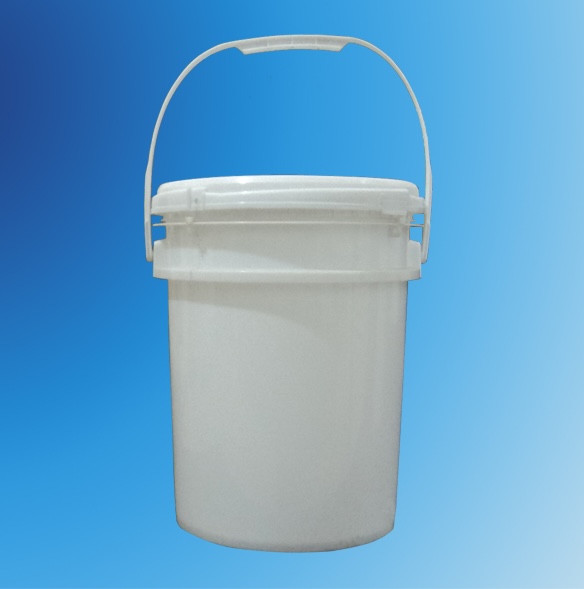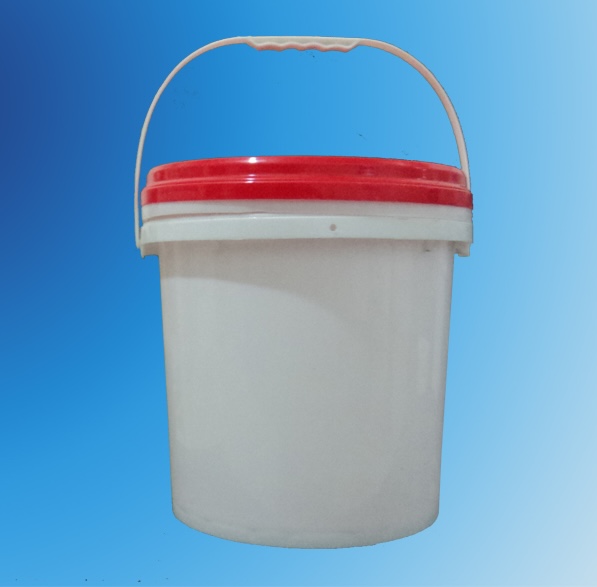
Small Blow Molding HDPE Selection Mistakes: How to Choose the Right 5502-Series Grade
Choosing blow molding HDPE for 10–30L chemical and food containers by price alone is the most common and most expensive sourcing mistake. Overseas packaging manufacturers that compare only quotations often overlook three indicators: melt flow rate (MFR), environmental stress cracking resistance (ESCR) and low-temperature toughness. The result is uneven wall thickness, cracking after chemical storage and brittle fracture during cold-weather transport.
This guide walks through the five selection mistakes we see most often with 5502-series HDPE, explains what each parameter means in real production, and shows how to compare grades that share the same name but behave differently.
Why Price-Only Sourcing of Blow Molding HDPE Fails
Containers that hold chemical additives, edible oil or daily detergents are under constant internal stress. A resin that is cheaper per ton but has the wrong MFR or weak ESCR will raise your reject rate and your claim risk. The five mistakes below are where most of that loss comes from.
Mistake 1: Ignoring Melt Flow Rate (MFR)
HDPE with an MFR below 0.4 g/10min has high melt strength, which prevents parison sagging during extrusion and keeps wall thickness uniform across the finished barrel. High-MFR resin causes severe wall thickness deviation and a sharp rise in rejects. The preferred MFR range for small hollow containers is 0.16–0.35 g/10min.
For reference, MFR testing measures how fast a thermoplastic extrudes through a standard orifice at a set temperature and load, reported in g/10 min. Resin producer technical literature also notes that a high melt index can weaken parison melt strength and bottle drop impact strength, and that two resins with the same melt index can still behave quite differently in blow molding. So MFR is a starting filter, not the whole story.
Mistake 2: Assuming Every “5502” Grade Is the Same
Grades with identical names can have clearly different MFR values. Some overseas HD5502S grades list an MFR of 0.20±0.04 g/10min, while Huajin HD5502S holds a stable 0.35 g/10min. Panjin HD5502S is a separate grade from a different producer, with its own datasheet. Always compare the datasheet of each manufacturer, and confirm the MFR test condition, before you treat two “5502” offers as equivalent.
Mistake 3: Skipping the ESCR Requirement
Containers storing acids, alkalis and oily liquids need strong environmental stress cracking resistance. Under the GB/T 1842 test, qualified blow molding HDPE generally achieves an ESCR of more than 30 hours. This directly reduces barrel cracking and liquid leakage during storage and cross-border shipping.
GB/T 1842 is the Chinese method. Buyers in other markets often see ASTM D1693 (bent strip) or ASTM D2561 (filled bottle) results, and ESCR numbers can vary noticeably between labs, so always compare the test method and conditions, not just the hours. In general, ESCR improves as average molecular weight rises (melt index falls), which is another reason low-MFR grades suit chemical containers.
Mistake 4: Overlooking Rigidity and Low-Temperature Toughness
This type of resin has a typical density of 0.954 g/cm³ and good rigidity. Tensile yield strength falls into two tiers: premium grade ≥27 MPa and standard grade ≥24 MPa, enough to resist deformation under stacking pressure. Its low-temperature toughness also matters for exports: containers shipped to cold, high-latitude regions should not crack under sub-zero conditions. For context, general HDPE references list a density of 0.941–0.965 g/cm³ and tensile yield strength of 26–33 MPa, with continuous service down to about −50°C, below which HDPE becomes increasingly brittle.
If the resin will be used for edible oil drums or drinking water pails, request the full food contact compliance certificates before ordering. For the US market, polyethylene food-contact articles fall under 21 CFR 177.1520, which sets a density range and limits on hexane extractables and xylene solubles.
Mistake 5: Copying Processing Parameters Between Grades
Because MFR differs between 5502 grades, settings cannot simply be carried over. For this low-MFR HDPE, a heating temperature of 180–210°C is a reference range only; adjust it to your machine. Avoid excessive blow air pressure, which can make the barrel side walls too thin.
To cut cost, some manufacturers blend this resin with other blow molding HDPE grades at a reasonable ratio, without compromising core mechanical and crack-resistant performance. Run a trial batch before switching to bulk production.
HD5502S Specifications at a Glance
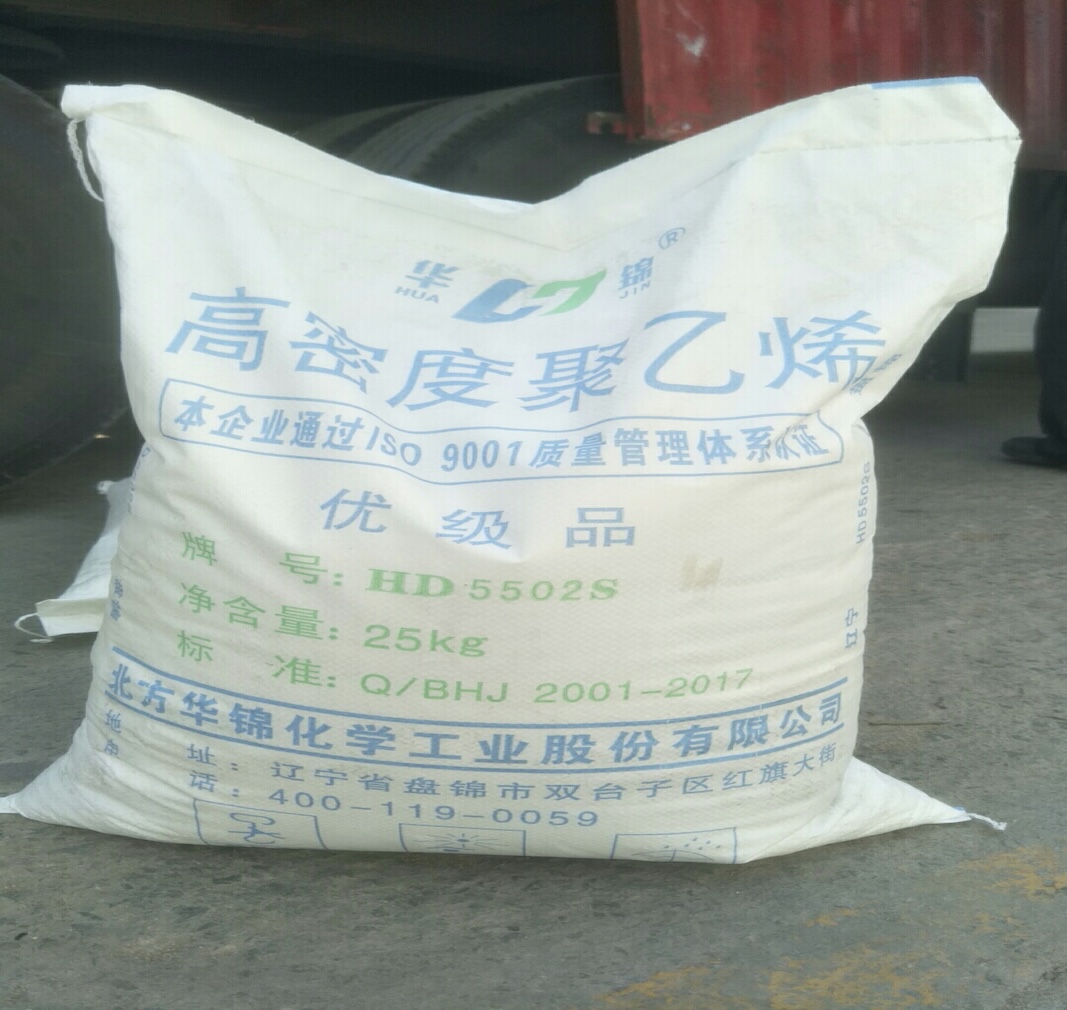
Panjin HD5502S is a typical low-MFR blow molding grade for thin-walled small containers under 30L:
| Parameter | Typical Value | Why It Matters |
|---|---|---|
| MFR | 0.35 g/10min | High melt strength, uniform wall thickness |
| Density | 0.954 g/cm³ | Rigidity under stacking load |
| Tensile yield strength | ≥27 MPa (premium) / ≥24 MPa (standard) | Resists deformation |
| ESCR (GB/T 1842) | >30 hours | Fewer cracks and leaks with chemicals |
| Processing temperature | 180–210°C (reference) | Adjust to your machine |
| Food contact | Certifications available | Food and drinking water packaging exports |
Quick Checklist before You Order
- MFR within 0.16–0.35 g/10min, with the test condition stated
- ESCR result above 30 hours (GB/T 1842)
- Tensile yield strength and tier (≥27 or ≥24 MPa) confirmed
- Low-temperature toughness suited to your destination market
- Food contact certificates on file for edible oil and water containers
- Stable spot supply for long-term bulk orders
Frequently Asked Questions
What MFR is best for blow molding HDPE for small containers?
An MFR of 0.16–0.35 g/10min is preferred. Below 0.4 g/10min gives the melt strength needed to prevent parison sagging.
Are all HD5502S grades interchangeable?
No. Some overseas grades list 0.20±0.04 g/10min, while Huajin HD5502S is 0.35 g/10min, and Panjin HD5502S is a separate grade, so processing settings cannot be copied directly.
How long should ESCR be for chemical containers?
Qualified blow molding HDPE generally exceeds 30 hours under GB/T 1842, which supports long-term storage of acid, alkali and oily liquids.
Can 5502-series HDPE be blended with other blow molding grades?
Yes, at a reasonable ratio, to reduce cost while keeping core mechanical and crack-resistant performance. Test a trial batch first.
Conclusion: Choose by MFR, ESCR and Toughness, Not Price Alone
For small hollow containers, focus on three metrics: low MFR, ESCR above 30 hours, and balanced rigidity with low-temperature toughness. Always separate overseas HD5502 grades from Huajin HD5502S and Panjin HD5502S, because MFR gaps between producers mean processing parameters cannot be copied.
If consistent spot supply and food packaging compliance matter to you, 5502-series grades are a highly suitable option. View the Panjin HD5502S product page or contact the Chengnuo team to request the full technical datasheet and a quotation before you place your order.
Sources
Intertek. Melt Flow Index, Melt Flow Rate testing to ASTM D1238 or ISO 1133 Standards
LyondellBasell. Tech Topic: Shear Sensitivity
LyondellBasell. Tech Topic: Environmental Stress Crack Resistance
Laird Plastics. HDPE Guide: Properties, Uses & Applications
Cornell Legal Information Institute. 21 CFR 177.1520 – Olefin polymers