Daqing 5000S HDPE Wire Drawing Resin Selection Guide: High-Rigidity, Low-Temp Resistant HDPE Properties & Tips
Why Cheap Substitutes Cost More than They Save
Heavy-duty flat yarn, woven bags and hollow container lines all depend on one thing: a stable virgin HDPE feed. Many buyers switch to recycled or blended pellets to trim cost, then watch losses climb instead. Degraded recycled resin weakens yarn tensile strength, so sacks split under load. Impurities and a broad molecular weight spread bring on melt fracture, and a patented method for reducing melt fracture confirms that a narrower molecular weight distribution is exactly what suppresses the sharkskin defects and wire breaks that slow high-speed drawing lines.
Recycled HDPE also turns brittle in cold storage or outdoor use, and its acid, alkali and weather resistance rarely holds up to export testing. When selecting HDPE, drawing stability, balanced toughness and rigidity, wear resistance, batch consistency and steady supply all matter more than the sticker price. Daqing 5000S, a cost-effective domestic wire-drawing grade, is built for both small trials and full mass production.
What Sets Daqing 5000S Apart
Most processors assume ordinary HDPE performs the same as a purpose-built wire-drawing grade, and that recycled pellets can simply substitute for virgin resin. Blended recycled HDPE has a broad molecular weight distribution and unstable melt viscosity, which triggers constant wire breaks and slower extrusion, plus high thermal shrinkage that curls stored yarn.
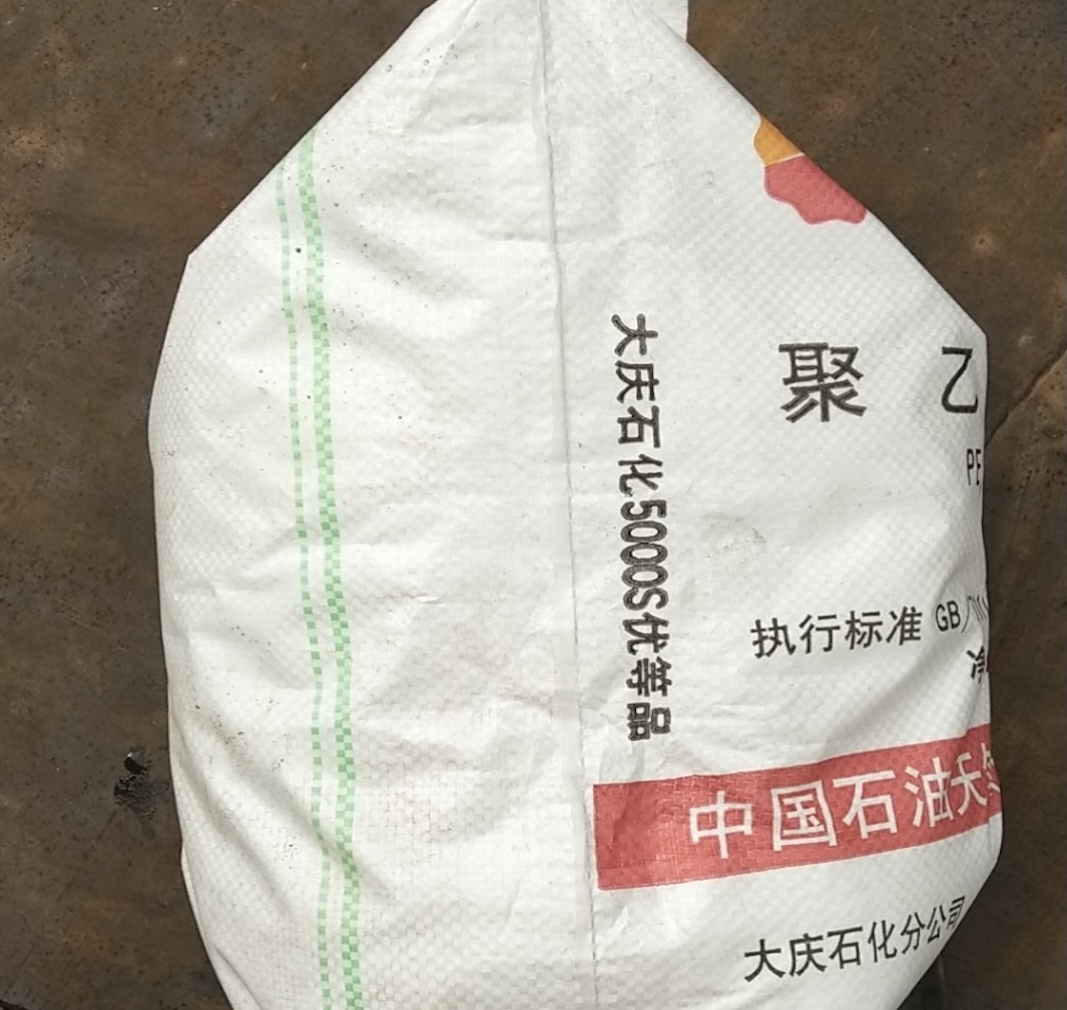
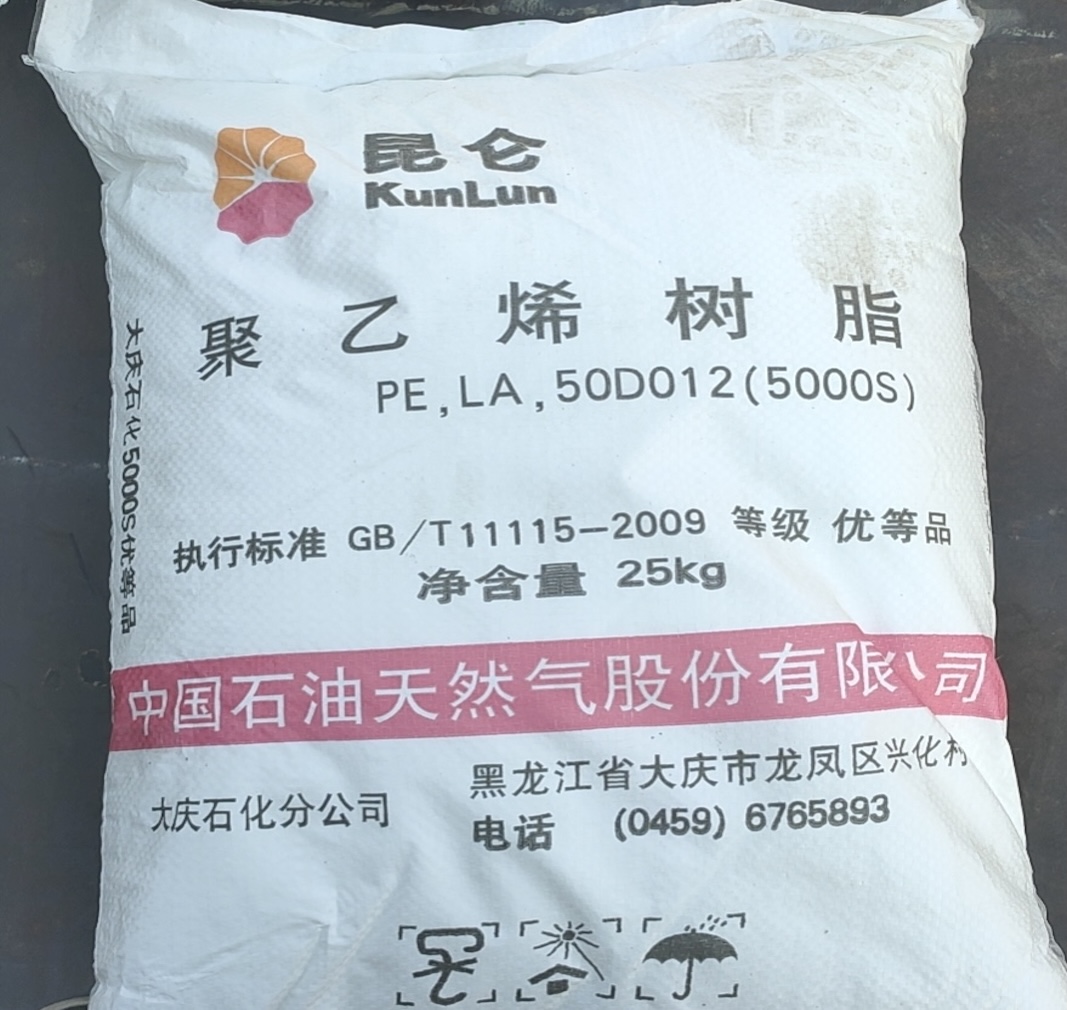
Daqing 5000S is made through Daqing Petrochemical's gas-phase fluidized bed process, which produces a narrow molecular weight distribution and uniform chain structure. A study on molecular weight distribution effects on HDPE melt extrusion ties this same narrow-MWD structure to better melt relaxation and more consistent orientation during drawing. A separate polymer-chemistry patent notes that resins with a narrow distribution deliver improved tensile strength compared with broader, less uniform grades, which lines up with the yarn performance below.
| Parameter | Typical Value | Test Method |
|---|---|---|
| Melt Flow Rate (190°C/2.16kg) | 0.9 g/10min | ASTM D1238 |
| Density | 0.948–0.954 g/cm³ | ASTM D792 |
| Recommended Processing Temp. | 180–210°C | — |
| Vicat Softening Point | 125°C | ASTM D1525 |
| Tensile Strength | ≥30 MPa | ASTM D638 |
| Elongation at Break | ≥500% | ASTM D638 |
Cold-Weather Toughness and Stress Crack Resistance
Northern winters are where cheap HDPE fails first. Fishing nets and outdoor ropes made from degraded resin crack once temperatures drop. Peer-reviewed research on the low-temperature mechanical properties of polyethylene blends links this brittleness directly to molecular weight distribution and crystallinity, the same variables that separate a purpose-built grade from a generic one. Daqing 5000S stays tough below -80°C, so nets and ropes keep their flexibility through cold storage and open-water use.
Stress cracking is the other failure mode buyers underestimate. A patent on melt-blended HDPE and environmental stress crack resistance shows how an uneven, unimodal molecular weight spread lowers ESCR, which is exactly the weakness that shows up as cracked barrels or split hollow containers under long-term load. Daqing 5000S's pure, contaminant-free pellets keep pigment dispersion even and give consistent chemical and stress crack resistance, including food-contact compliance.
Where It Gets Used, and How to Buy It
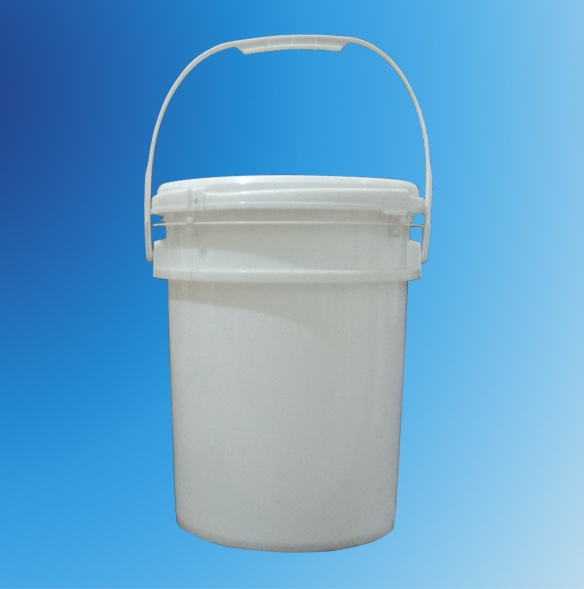
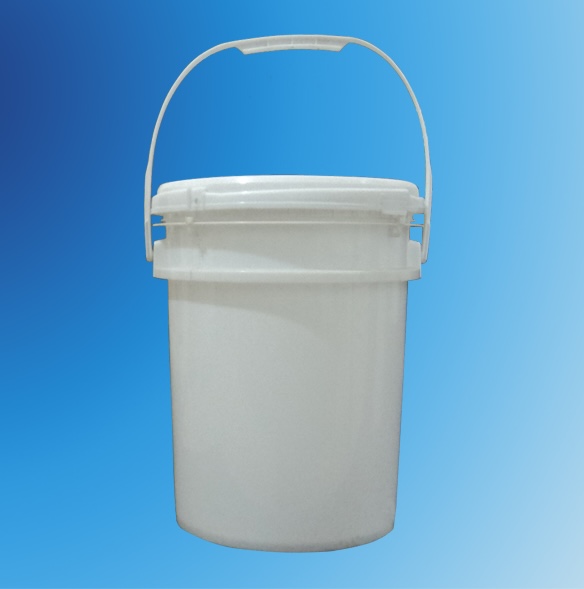
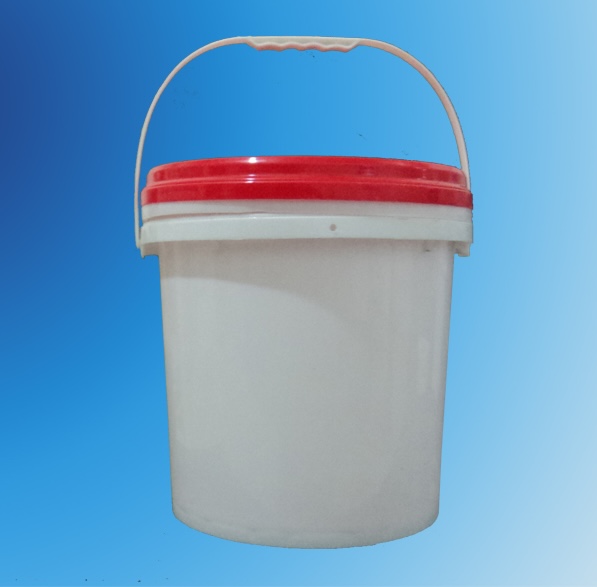
This resin fits wire drawing, injection molding and blow molding alike. Woven bag and strapping tape factories get yarn with strong breaking force, steady load capacity and low thermal shrinkage. Aquaculture producers rely on it for fishing nets and ropes, since HDPE's resistance to chemicals, wear and low temperature is well documented across woven bag and cordage applications. Daily chemical and packaging factories use it for 5–20 L hollow barrels and turnover boxes that need to resist cracking under stacking pressure. A small LLDPE blend can further balance toughness against raw material cost.
The purchasing question is rarely just price per kilogram. Machine stop time, defective yarn and customer returns cost more than the gap between resin grades, and low-temperature toughness, batch-to-batch melt index consistency, and supply reliability matter as much as tensile numbers on a data sheet. This is the checklist Chengnuo walks buyers through before any order is confirmed, whether the shipment is a small test batch or a long-term bulk supply for an aquaculture or packaging enterprise. Daqing 5000S works across most domestic extrusion and injection equipment, with clear delivery timelines and no need to source imported HDPE by default.
Conclusion
Daqing 5000S trades a lower headline discount for fewer wire breaks, steadier batches and reliable cold-weather performance, which is usually the better economics once machine downtime and rejects are counted.
Reference
- Google Patents — US4360494A: Process for Reducing Melt Fracture During Extrusion
- Virginia Tech (VTechWorks) —Influence of Molecular Weight Distribution on the Melt Extrusion of HDPE
- USPTO Patent — Salts of Lewis Acid/Acid Adducts and Catalyst Activators Therefrom
- NCBI PMC — Low-Temperature Mechanical Properties of High-Density and Low-Density Polyethylene and Their Blends
- USPTO Patent — Melt Blended High-Density Polyethylene Compositions with Enhanced Properties
- Singhal Industries — HDPE Bags: Key Features and Industry Applications