Polyethylene Resin: Properties, Types & Industrial Applications
Many plastic manufacturers and raw material buyers seek reliable information on polyethylene resin when selecting materials. As the highest-volume thermoplastic polyolefin material in the world, polyethylene can be formulated into multiple grades to meet diverse manufacturing requirements. This guide covers key polyethylene properties, introduces the main types of polyethylene, compares basic performance features, and lists mainstream industrial applications. It helps you quickly assess whether polyethylene resin fits your production needs and offers clear guidance on grade selection.
1. What is Polyethylene Resin?
Polyethylene (PE) is a thermoplastic polymer produced by the polymerization of ethylene monomers. It belongs to the polyolefin family and is widely supplied as virgin polyethylene pellets for extrusion, blow molding and injection molding.The molecular structure of polyethylene determines its overall performance. By adjusting molecular chain length, branching degree and density, manufacturers can produce flexible soft grades or rigid high-strength grades. Most standard polyethylene grades feature low cost, excellent chemical resistance and simple processing conditions, which explains its broad adoption across global industries.
2. Core Polyethylene Properties
Understanding fundamental polyethylene properties is essential before grade procurement. Below are the universal characteristics of polyethylene resin, together with typical physical indicators.
Diversity in density: Different varieties cover a wide density range, roughly from 0.910 g/cm³ (LDPE and LLDPE) to 0.965 g/cm³ (HDPE). Density directly affects stiffness, strength and permeability. LLDPE generally falls within 0.915–0.940 g/cm³, filling the density gap between LDPE and HDPE.
Melting behavior: The polyethylene melting point varies by grade. LDPE melts at 105–115℃, while HDPE reaches 125–135℃. Processing temperature must be adjusted according to specific PE type.
Chemical resistance: Polyethylene resists most dilute acids, alkalis and alcohols. It has limited resistance to strong hydrocarbons and aromatic oils.
Low-temperature performance: Many PE grades maintain good toughness under cold conditions, especially LDPE and LLDPE.
Processability: Suitable for multiple molding technologies, including film extrusion, blow molding, pipe extrusion and injection molding.
3. Main Types of Polyethylene
There are three most common commercial variants of polyethylene resin: high density polyethylene resin, low density polyethylene resin, and linear low density polyethylene resin. Each has unique structural features and target scenarios.
High Density Polyethylene (HDPE)
HDPE features nearly linear molecular chains with minimal short branches. High density brings outstanding rigidity, compressive strength and chemical stability. It is widely used for rigid containers, plastic pipes and industrial crates.
Low Density Polyethylene (LDPE)
LDPE contains irregular long and short molecular branches, which prevents tight molecular stacking. It delivers excellent flexibility and ductility, making it ideal for flexible films, squeeze bottles and lightweight packaging.
Linear Low Density Polyethylene (LLDPE)
LLDPE has a linear backbone with uniform short branches introduced by comonomers. It balances flexibility and tensile strength, offering superior puncture resistance and elongation compared to LDPE. It is commonly selected for high-performance stretch films, agricultural mulch, shrink films, and heavy-duty flexible packaging where tear strength is critical.
We provide a full range of commercial virgin polyethylene resin grades to match different production demands.
4. Typical Industrial Applications of Polyethylene
The versatile performance of polyethylene resin supports massive application scenarios for plastic manufacturers. We have compiled the most common commercial uses for reference.Each type of PE is suited to specific processing techniques. HDPE is ideal for blow molding and injection molding, LDPE for film extrusion, and LLDPE for stretch film and cast film production.
Flexible packaging: Shopping bags, stretch film, agricultural mulch, food packaging films (LDPE & LLDPE)
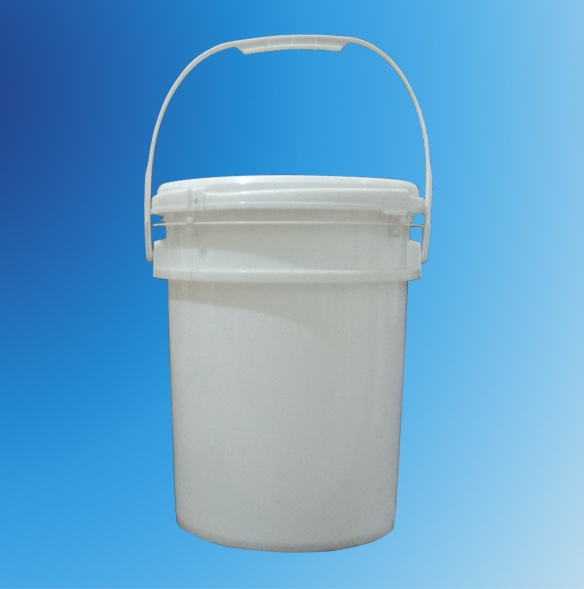
Hollow blow-molded products: Detergent bottles, chemical containers, milk jugs (HDPE)
Plastic pipe systems: Water supply pipes, drainage engineering pipes (HDPE)
Injection molded goods: Plastic crates, storage boxes, plastic fittings (HDPE)
Extruded profiles, insulation layers and flexible hoses (multi PE grades)
5. Frequently Asked Questions (FAQ)
Q1: What is virgin polyethylene resin?A: Virgin polyethylene pellets are newly synthesized raw materials without recycled content. They offer stable physical properties, consistent MFI values, and can meet food contact standards (such as FDA and EU food-grade regulations) and strict industrial production requirements.
Q2: Can polyethylene be recycled?A: Yes. HDPE and LDPE have independent mature recycling systems. Mixing different polyethylene types may cause phase separation and degrade mechanical performance.
Q3: What is the main difference between HDPE, LDPE and LLDPE?A: The core gap comes from molecular branching and density. HDPE is rigid; LDPE offers soft flexibility; LLDPE provides enhanced tensile and puncture resistance for film production.
6.Summary
To sum up, polyethylene resin remains the preferred polyolefin for countless manufacturers thanks to adjustable polyethylene properties and multiple available grades.
HDPE: Prioritize for rigid, pressure-resistant and chemical-resistant products
LDPE: Prioritize for soft, flexible packaging articles
LLDPE: Prioritize for high-strength film production
If you are sourcing various petrochemical brands of polyethylene resin including HDPE, LDPE and LLDPE, feel free to contact us to get detailed grade datasheets, MFI parameters and competitive quotations.