5L Plastic Pail: Why is HDPE Plastic Commonly Used for Industrial Packaging Containers?
A pail can look strong in the warehouse and still fail on the road. One cracked wall or loose lid turns a simple pack into a spill.
HDPE is widely used in plastic pails, buckets, and containers because manufacturers need packaging materials that can handle chemicals, moisture, impact, and transportation stress.
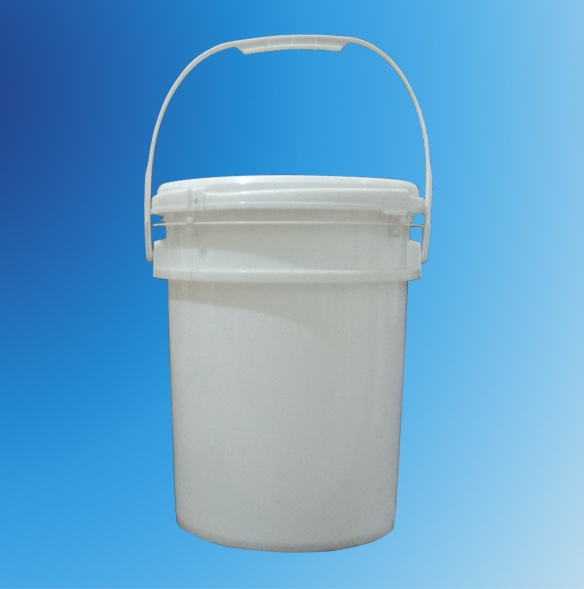
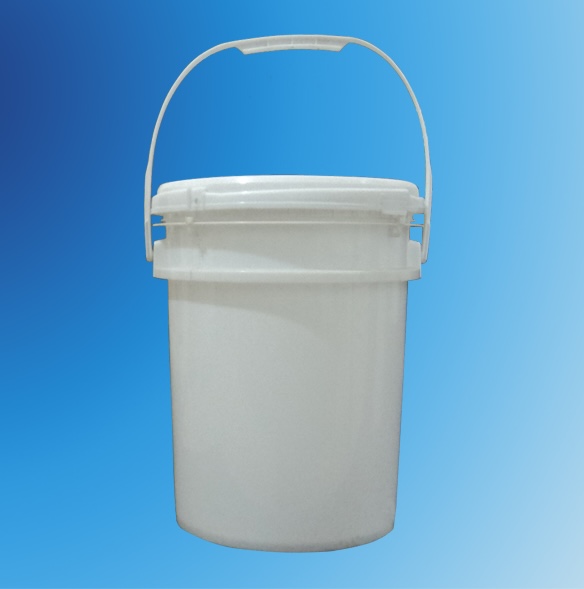
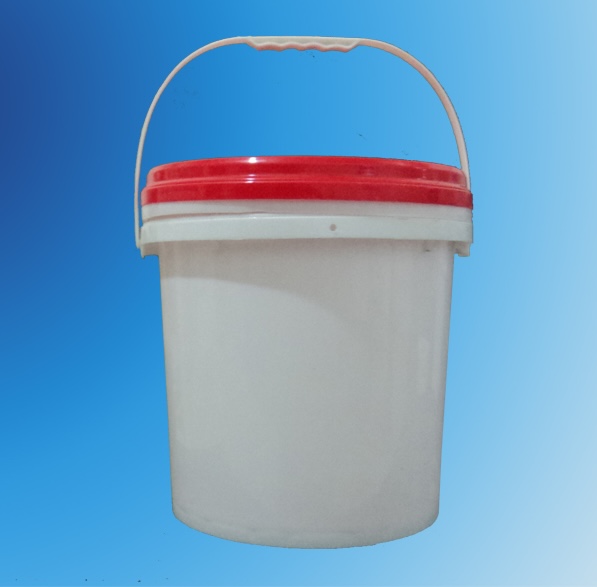
I have worked with plastic and petrochemical raw materials for over ten years. Most buyers start with size, lid, and handle. I understand that. But the resin decides how the pail behaves after it leaves the factory. The 5L European-style pail shows this well. It is small and light, yet it carries paint, lubricant, cleaner, and food. At Chengnuo, we look at the resin first. A 5L HDPE Plastic Pail is only as reliable as the material behind it.
What Properties Make HDPE Suitable for Plastic Pails?
Many buyers judge a pail by its wall thickness. I judge it by how the resin reacts to what goes inside.
HDPE suits plastic pails because it resists many acids, bases, and cleaners, absorbs almost no water, and bends before it breaks. These traits keep the contents safe during storage and shipping.
Chemical Resistance
HDPE handles most acids, bases, alcohols, and detergents well. Laird Plastics also notes a limit: HDPE resists aromatic hydrocarbons, chlorinated solvents, and ketones poorly. This matters when you pack the following products: chemicals, coatings, lubricants.
Water-based paint and mineral oil are usually safe. Strong solvent blends need a trial first. Container & Packaging warns that strong solvents can cause swelling, odor, or "paneling," where the wall caves in. I suggest a simple test. Fill a sample 5L Plastic Pail with the real product, close the real lid, and wait several weeks. Then check for swelling, smell, and leaks.
Chemical attack is not always visible at first. Stress cracking grows slowly when a chemical and mechanical load act together. Regent Plast explains that a higher molecular weight and even wall thickness improve stress crack resistance. Sharp corners make it worse. In my experience, this is the detail most pail buyers skip. Two pails can look the same and still age very differently.
Impact Resistance
HDPE bends before it breaks. That is why it survives rough handling better than glass or brittle plastics. During transport, two events cause most damage: a drop from a pallet or forklift, a collision between pails during loading and stacking.
Cold weather raises the risk. HDPE keeps its toughness at low temperature, and Laird Plastics lists a working range from -50°C to 80°C. I have seen winter shipments where brittle packs cracked and HDPE pails only dented. The weak points are usually the rim and the handle joint, not the wall. So I always check how the handle attaches and how thick the rim is. I also check the lid fit. A lid that is too loose can pop off in a drop, even when the wall stays whole. Small gaps in molding tolerance often explain these failures.
Moisture Barrier
HDPE absorbs less than 0.01% water in 24 hours, according to Laird Plastics. It also blocks moisture better than PET, as the Container & Packaging guide points out. This helps food and liquid packaging. Powders stay loose. Liquids do not dry out.
Still, the wall is rarely the problem. Moisture usually enters at the lid. A good seal matters more than a thicker wall. For food, the resin code alone does not prove food-contact approval. The pail and the lid both need documents. Chengnuo advises buyers to ask for both before the first order.
HDPE vs Other Plastics: Why do Manufacturers Choose HDPE Containers?
Buyers often ask me why they should not just pick the cheapest plastic. The answer is that a pail has to survive more than the shelf.
Manufacturers choose HDPE because it balances impact strength, chemical resistance, moisture protection, and cost better than PP or PVC for general pails. PP handles more heat. PVC loses ground on toughness and recycling.
HDPE vs PP vs PVC
The table below uses data from the Silgan Plastics resin chart. I added a column for typical pail use, based on my own work.
| Property | HDPE | PP | PVC |
|---|---|---|---|
| Chemical resistance | Good against most acids, bases, and organics; poor against solvents | Excellent overall; poor against solvents | Excellent against alcohols and alkalis |
| Moisture barrier | Excellent | Excellent | Good |
| Impact strength | Excellent | Fair; drops hurt more in the cold | Good |
| Distortion temperature | 160°F | 200°F | 150°F |
| Cold resistance | Excellent | Poor | Fair |
| Typical pail use | General industrial pails, paint, lubricants, food | Warm-fill or heat-exposed products | Niche; rarely chosen today |
PP wins on heat. If your product is filled hot, PP deserves a look. But most pails are filled at room temperature and shipped through all seasons. In that case, cold impact matters more than heat. PVC has a different problem. Container & Packaging says it turns brittle below 32°F and starts to distort near 140°F. Most curbside programs also refuse it.
My rule is simple. Pick the resin by filling temperature, shipping climate, and the product inside. Do not pick by price alone. HDPE also carries resin code 2, so it fits recycling streams more easily. One caution from my work: recycled HDPE can vary in stress crack resistance, so it needs testing before use with aggressive contents.
What Industries Use HDPE Plastic Containers?
Every industry wants a pack that arrives sealed and intact. The ones below ask for it most often.
The chemical, paint, lubricant, and food industries use HDPE containers most. They need packs that resist their contents, survive transport, and stay sealed.
Chemical
Chemical makers pack additives, resins, and cleaning agents in HDPE pails. Some products ship as hazardous solids. Suppliers such as Berlin Packaging offer UN-rated HDPE pails with tamper-evident, resealable lids. From what I know, the rating applies to the whole tested design, including the lid. Resin alone is never enough.
Paint
Paint needs a tight lid and a smooth inner wall. Dried paint on the rim can break the seal, so clean rims and stable lid fit matter. Water-based coatings suit HDPE well. Solvent-based coatings need the trial I described earlier.
Lubricant
Lubricants and greases need a pail that does not swell or leak under long storage. HDPE does this well for most mineral-based products. Stacking strength also counts, because lubricant pails often sit on pallets for months. Under that long load, a soft rim can slowly deform, and the lid then stops sealing well.
Food
Food packers use HDPE pails for sauces, oils, and dry ingredients. The pail must come with food-contact documents. The lid, color, and any liner must meet them too. A clean, odor-free pail matters as much as strength.
Conclusion
HDPE stays popular because it resists chemicals, absorbs little water, and survives impact. For daily industrial use, explore our 5L HDPE Plastic Pail with Lid.
Reference
Laird Plastics. "HDPE Guide: Properties, Uses & Applications."
Container & Packaging. "HDPE Explained: Benefits, Limitations, and Everyday Uses."
Regent Plast. "What is ESCR for HDPE Bottles?"
Silgan Plastics. "Resin Material Definitions and Comparison Chart."
Container & Packaging. "PVC Explained: What It Does Well (and Where It Doesn't Fit)."
Berlin Packaging. "HDPE Plastic UN Rated Buckets (Solids)."