Polystyrene Resin Comparison: How to Choose the Right Grade for Different Manufacturing Needs?
Polystyrene resin is everywhere in plastic manufacturing. Yet two grades that look alike can behave very differently on your line.
Choose polystyrene resin by product need first. GPPS suits clear, stiff parts. HIPS suits tough parts. EPS suits light cushioning and insulation. Then check processing conditions, batch stability, and supply before you place an order.
I have seen buyers choose by price alone. It works for one order. Then the problems start. Below, I compare the main types, and then I show how I test a GPPS grade like Dushanzi Petrochemical PS-500 before any purchase.
GPPS, HIPS, and EPS: What are the Differences between These Polystyrene Resins?
Three names, three different materials. Buyers mix them up, and the wrong pick shows up fast on the line.
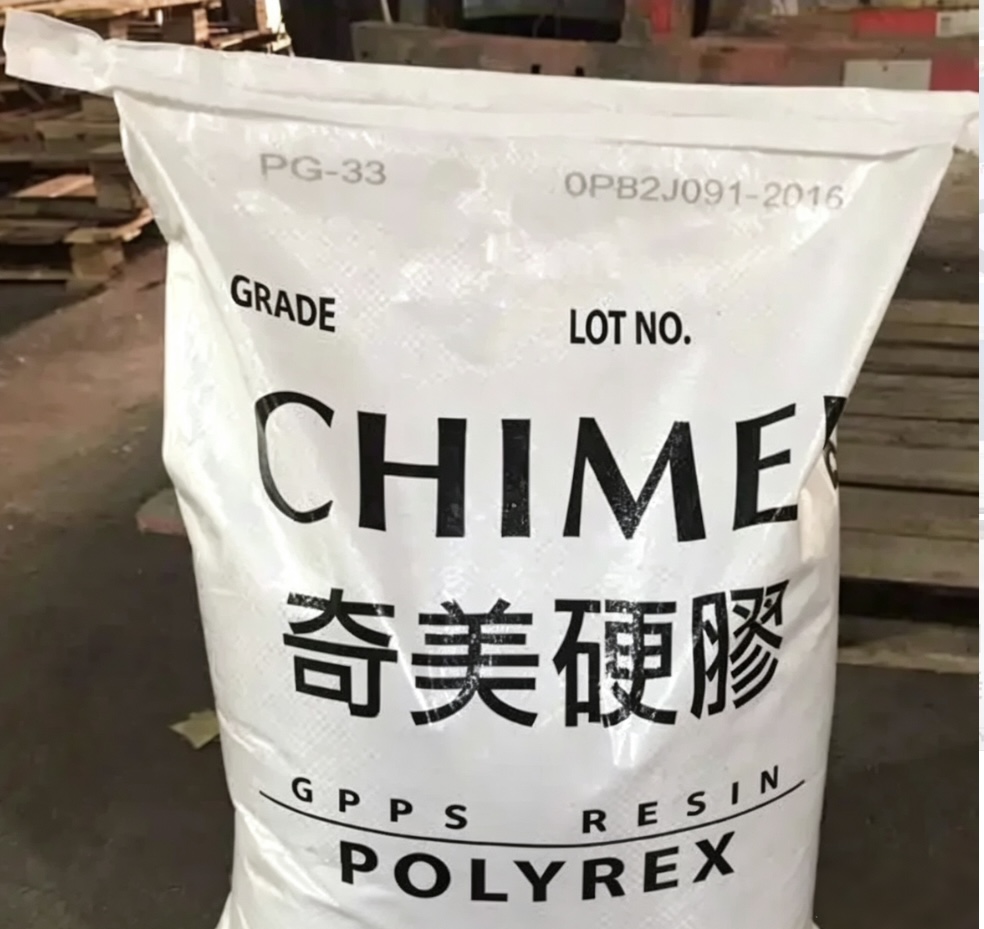
GPPS resin offers high transparency and rigidity. HIPS resin adds rubber for better impact resistance. EPS is a lightweight foam used for insulation and cushioning. Match each type to what the finished part must do.
Match the Type to the Job
I sort the three types by what the finished part must do. According to Europlas, GPPS is clear, rigid, and brittle. HIPS is a modified form with rubber that improves impact resistance. The University of Bologna packaging guide adds that crystal grades process well by injection moulding and thermoforming. But they offer limited impact strength and a low oxygen barrier. EPS is a different case. It comes from expanded beads, so it gives light weight, shock absorption, and insulation. At Chengnuo, I start every material talk with one question: what will this part face in daily use? That one question cuts the list in half.
|
Type |
Main Characteristics |
Selection Consideration |
|
GPPS |
High transparency and rigidity |
When appearance and stiffness matter |
|
HIPS |
Better impact resistance |
When durability is required |
|
EPS |
Lightweight structure |
When insulation or cushioning is needed |
Virgin Polystyrene Resin vs Recycled Polystyrene Resin: What should Buyers Consider?
Recycled resin looks cheaper on paper. Then colour drifts, or a customer rejects the batch.
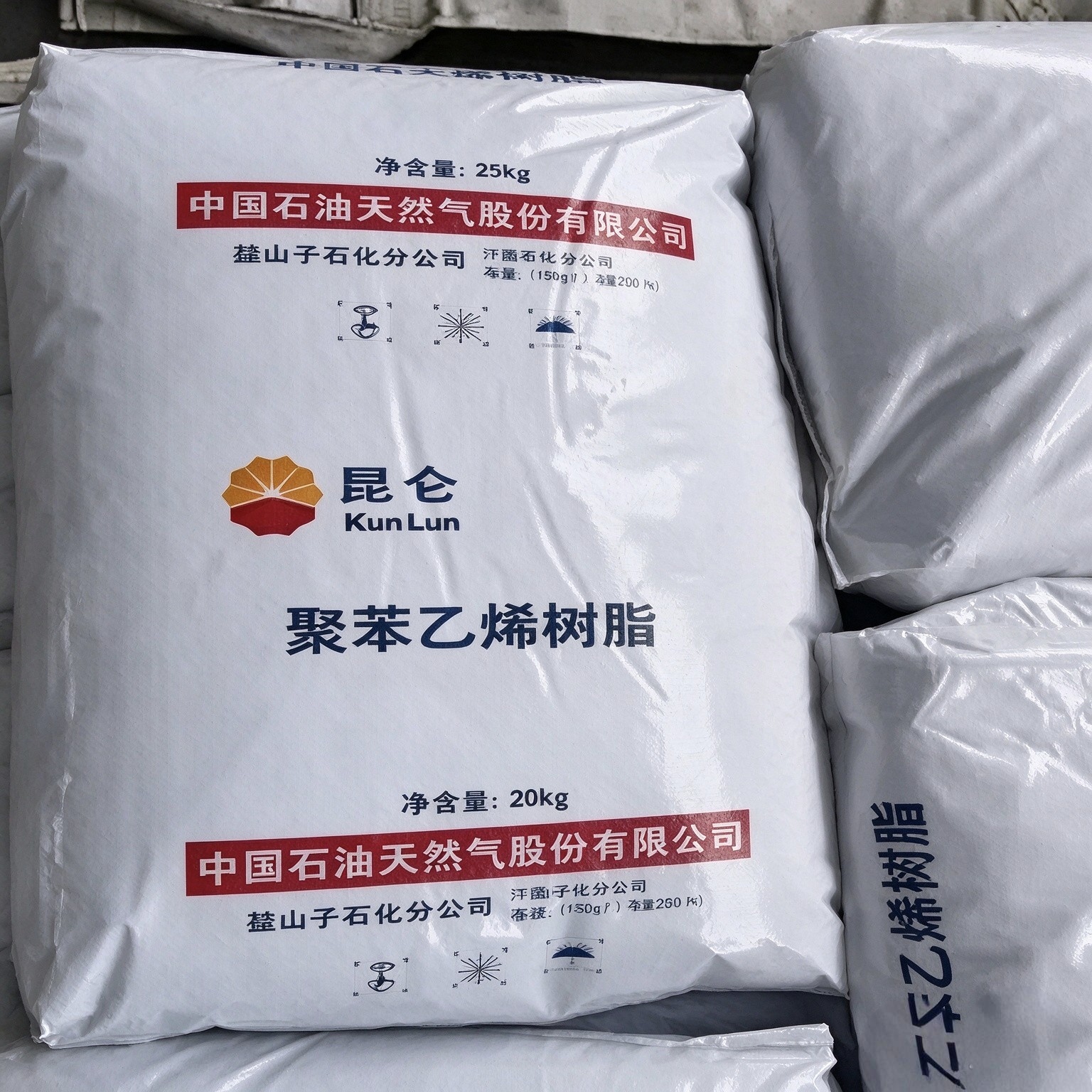
Virgin resin gives more stable quality, predictable appearance, and easier processing control. Recycled resin can cut cost and carbon, but results depend on the recycling process. For food contact, ask for test data and proof of compliance.
Consistency, Appearance, and Food Contact
I compare the two on three factors. Quality consistency: virgin resin is more stable, while recycled resin depends on the process and feedstock. Appearance: virgin resin is more predictable, while recycled resin may vary. Processing control: virgin resin is easier to run, while recycled resin often needs adjustment. Food contact is the hardest test. An ICIS report explains that the European Food Safety Authority looks for at least 95% of feedstock from food-contact use and less than 2% contamination. Progress is real, though. Packaging Europe reports that mechanical recycling tests showed high purity, with no observed polymer degradation in yoghurt cups. Last year, a buyer of mine switched to recycled resin overnight. The colour shifted in week two. For buyers who need steady quality from day one, a virgin GPPS grade from a petrochemical producer, such as Dushanzi Petrochemical PS-500, is a natural place to start.
How to Evaluate a GPPS Resin Grade before Purchasing?
A GPPS sample can look perfect on the desk. Then it yellows, warps, or cracks in the mould.
Judge a GPPS resin grade on three points: material consistency, processing compatibility, and supply reliability. Test samples on your own line, compare several lots, and confirm that the supplier can deliver the same quality over time.
Material Consistency
Batch stability comes first. Resinex lists clarity, gloss, high rigidity, and low shrinkage as key strengths of a GPPS grade. Those strengths only help if every lot repeats them. So I ask for several lots, not one bag.
Processing Compatibility
Your machine sets the rules. Europlas points out that GPPS is brittle, so wall thickness and drop tests matter. I also test melt flow at the real barrel temperature. A grade must fit the tool, not just the data sheet.
Supply Reliability
A good grade must arrive on time, every time. A stop in supply forces a line change, and line changes cost money. So I ask about stock, lead time, and long-term capacity before I talk price.
For manufacturers looking for a reliable GPPS resin grade, Dushanzi Petrochemical PS-500 represents one available option in industrial material selection.
Is Dushanzi Petrochemical PS-500 a Good Fit for Your GPPS Application?
You have a shortlist, and PS-500 is on it. The next step is to test it against your own needs.
Dushanzi Petrochemical PS-500 is a GPPS grade worth testing when your product needs clarity and stiffness. Ask for the data sheet and a lot report, run a trial on your line, and judge it by consistency, processing fit, and supply.
Turn the Checklist into a Trial
I do not judge PS-500 by its name. I judge it with the same checklist I use for any GPPS grade. First, I ask for the current data sheet and a lot test report. Second, I run a trial on the buyer's own machine, at the real barrel temperature and cycle time. Third, I test two or three lots for repeat results. Fourth, I ask about stock, lead time, and packing. Many buyers skip the fourth step. It is the one that protects the schedule. At Chengnuo, I see PS-500 as a practical option for buyers who want a GPPS grade from a petrochemical producer, with a clear path from sample to regular orders. The data sheet stays the final word on specifications.
When you send an inquiry, please include:
Your product type and wall thickness
Your machine and process, such as injection moulding or extrusion
Your monthly volume
Your delivery port and target lead time
The sample quantity you need
With these details, I can give you a much more useful answer.
Why does Material Grade Selection Matter for Long-Term Production?
A cheap grade can cost you twice. First in scrap, then in lost customers.
The right grade keeps quality steady, cuts scrap, and avoids line changes. Long-term production needs stable batches, clear specifications, and a supplier who answers technical questions. These factors protect margin better than a low unit price.
Look Past the First Order
Production runs for years, not weeks. If melt behaviour shifts between lots, operators keep changing settings. Scrap climbs and trust drops. Rules also change. The ICIS report shows how fast recycled food-contact rules are moving in Europe. A grade that fits today may need review later. The University of Bologna guide also notes that polystyrene is hard to recycle in standard collection streams. So I keep a simple log of scrap rate by lot. After six months, the log shows which grade really pays. If PS-500 passes your trial, this same log tells you when to move from samples to regular orders.
Conclusion
Pick polystyrene resin by product need. Then test consistency, processing fit, and supply. If PS-500 passes your trial, send us an inquiry and we will move to samples.
.jpg)
References
Europlas. "All Types of Polystyrene You Should Know." https://europlas.com.vn/en-US/blog-1/all-types-of-polystyrene-you-should-know
University of Bologna, Packaging Materials Guide. "Polystyrene (PS)." https://adu.unibo.it/pack/it/materiali/polistirene-ps
Resinex. "Styron (Trinseo GPPS and HIPS)." https://resinex.com/nl-GB/brands/12202-styron
ICIS. "Recycled Polystyrene Wants Its Place at the Table for Food-Contact Applications." https://icis.com/explore/resources/news/2024/01/30/10966727/insight-recycled-polystyrene-wants-its-place-at-the-table-for-food-contact-applications
Packaging Europe. "Styrenics Circular Solutions Demonstrates Suitability of Mechanically Recycled Polystyrene for Food Contact." https://packagingeurope.com/styrenics-circular-solutions-demonstrates-suitability-of-mechanically-recycled-polystyrene-for-food-contact/4059.article