How to Choose PET Resin for Bottle Preform Manufacturing? A Case Study of Huarun 8816
Your preform line stops. Bottles come out hazy, and you cannot tell if the fault is the resin or the process. A wrong grade causes this often.
Choose PET resin for preform manufacturing by matching intrinsic viscosity to the bottle type, checking acetaldehyde and moisture limits, confirming food contact compliance, and testing the grade on your own equipment. Huarun 8816 is a common water bottle example.
I have advised bottle makers and distributors for years. Most of them start with the grade name. I start with the process. Below, I use Huarun 8816 as a case study and answer four questions. Read section three closely, because one number on the data sheet often hides a costly mistake.
What Makes Bottle Preform Production Require Specific PET Resin Grades?
A grade that works for oil bottles can fail on a water line. The mold looks the same, but the resin does not.
Preform production needs specific grades because each bottle type asks for a different intrinsic viscosity, thermal profile and purity. Water, carbonated drink, oil and hot-fill bottles all need different strength, clarity and heat behavior from the resin.
Intrinsic Viscosity Sets the Range
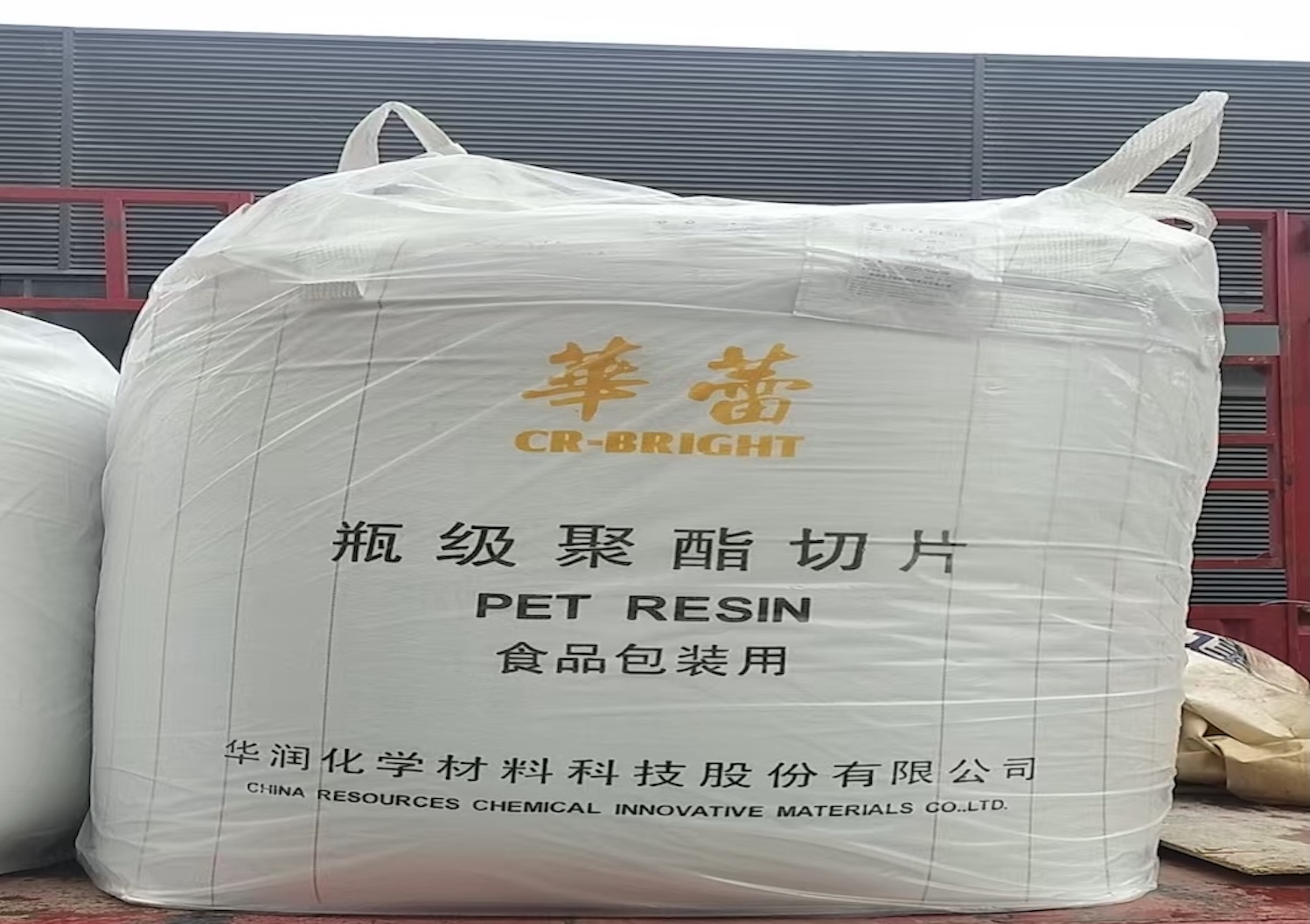
Intrinsic viscosity (IV) is the first filter I use. A patent on preform making explains that IV affects how the resin processes, and that an IV near 0.8 is widely used in the carbonated soft drink industry. Producers therefore split their range by end use. China Resources lists CR-8816 for pure, mineral and drinking water, and CR-8863 for edible oil, liquor, medicine and cosmetic bottles. The company runs bases in Changzhou and Zhuhai, with 2.1 million tons of yearly PET capacity. Overseas buyers see these codes often.
Application Drives the Choice
A water bottle needs clarity and low weight. An oil bottle needs a different balance. I always ask buyers what goes into the bottle before I discuss any grade. Then I ask about their line speed, preform weight and blowing equipment. A grade must fit the whole chain, not only the bottle. Huarun 8816 targets water bottles, so I treat it as a strong starting point for that use, not as a fit for every job.
What Factors Influence PET Resin Performance in Preform Manufacturing?
Two batches with the same grade name can behave very differently. The cause is usually a number nobody checked.
The key factors are intrinsic viscosity, acetaldehyde level, carboxyl end groups, moisture, color and melting point. Your drying setup, melt temperature and equipment also matter. Together they decide clarity, strength, taste and production stability.
Moisture is the Silent Problem
PET chips absorb water from the air. A patent on PET processing notes that chips can hold up to 0.6% water, and that water breaks polymer chains during melting. IV drops, and the preform can show bubbles, streaks or haze. Good practice dries the chips to 0.005% moisture or lower. I have seen lines blame the resin when the dryer was the real fault.
Read the Data Sheet Line by Line
Acetaldehyde (AA) forms when PET breaks down under heat. Polisan's technical note adds that a rising b* color value can signal heat or oxygen damage. The table lists typical values for CR-8816. Always confirm them against the certificate of analysis.
| Parameter | Typical CR-8816 Value | Why It Matters |
|---|---|---|
| Intrinsic viscosity | About 0.806 ± 0.020 dL/g | Bottle strength and melt flow |
| Acetaldehyde | ≤ 1.0 µg/g | Taste of bottled water |
| Carboxyl end groups | ≤ 35 mmol/kg | Stability and blow molding |
| Moisture | ≤ 0.2% | Drying load and IV loss |
| Melting point | ≥ 240 °C | Melt temperature window |
How Can Manufacturers Evaluate a PET Resin Grade Like Huarun 8816?
A sample can look perfect in the lab and fail on your line. A data sheet does not run your machine.
Evaluate the grade in four steps: review the data sheet and certificates, dry and mold a trial lot, measure IV loss and acetaldehyde in the preforms, then check the clarity and strength of the blown bottles. Repeat the test with a second lot.
Run a Trial, Then Compare
A product guide for CR-8816 states that IV, carboxyl groups and AA level affect blow molding, bottle strength and transparency. I test those same three items in the chips and again in the preforms. The gap between the two shows how much damage your process causes. A small IV drop is normal. A large drop points to drying or temperature errors, not to the resin.
Measure IV with the same method every time. The patent cited earlier names ASTM D-2857 for this test. Use one method so your numbers stay comparable from lot to lot. At Chengnuo, we ask buyers to share trial data, because that record makes the next order faster and safer.
Last, look at the bottles, not only the preforms. Check clarity, wall thickness and top-load strength. Run the trial at your normal speed, not at a slow speed that hides problems. If the second lot gives the same results as the first, you have a stable grade. If not, you have learned something before it cost you money.
What Should Buyers Know before Importing PET Resin?
A cheap offer can turn expensive fast. Wrong paperwork or a wet shipment can stop your line for weeks.
Before importing PET resin, confirm the exact grade and specification, ask for food contact certificates and test reports, agree on packing and moisture protection, and check order size, port and payment terms. Start with a trial order.
Paperwork and Terms
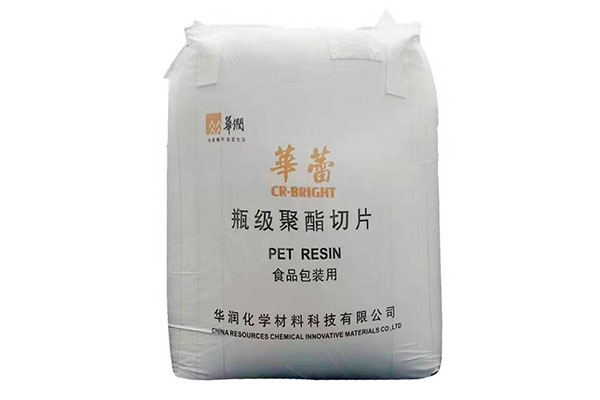
The CR-8816 guide advises buyers to request food contact safety certificates and test reports. Do this before you pay. A supplier listing for CR-8816 shows a minimum order of two 20-foot containers, loading at Shanghai, and payment by T/T or L/C. Terms differ by seller, so compare them in writing. Ask for sealed, moisture-safe packing, and check the bags on arrival. I also suggest a small trial order first. It lets you test quality and delivery before you commit to volume.
Storage and Supply Stability
PET keeps absorbing moisture until it reaches balance with the air, so storage matters as much as the purchase. Keep bags sealed until use, and store them off the floor in a dry room. Ask how the supplier controls lot consistency, and how long lead times run in busy months. Long-term supply matters more than one good shipment. A line that changes grades every quarter must retune its dryer and molds each time. I prefer one steady grade, backed by a supplier who answers questions fast.
Conclusion
Choose PET resin by matching grade to bottle type, reading key data, and testing on your line. Huarun 8816 shows why process fit and supply checks matter before you import.
References
- Fengbai Plas. "PET CR-8816 Water Bottle Grade."
- Fengbai Plas. "China Resources (CR) PET Resin."
- U.S. Patent 6,217,818. "Method of Making Preform and Container with Crystallized Neck Finish." USPTO.
- U.S. Patent 10,343,323. "Method for Processing Polyethylene Terephthalate." USPTO.
- Polisan Hellas. "Physical Properties of PET Resins." Technical document.
- Chemdo. "PET CR-8816." Product listing.