How does Yanshan S2040 Fit into PP Plastic Material Selection?
Buyers search for Yanshan S2040 and find ten different answers. Some pages call it fiber grade. Others call it injection grade. Which one is true?
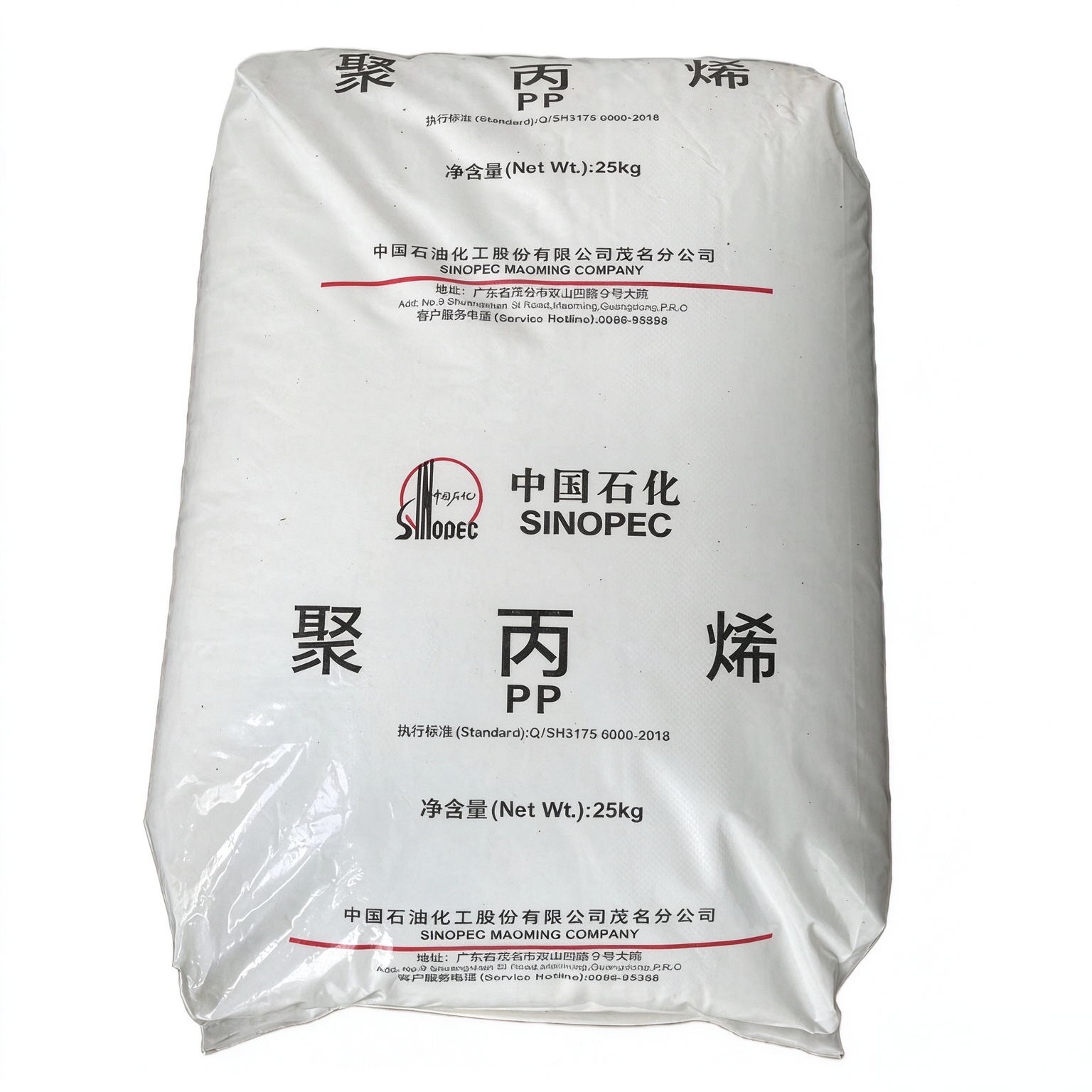
Yanshan S2040 is a homopolymer polypropylene grade with high melt flow. Most listings place it in fiber, yarn and spunbond nonwoven use. Check the producer data sheet first, because the same name often appears on pages with different uses.
Last year a buyer told me his injection parts kept short-filling. He had ordered S2040 from a page that called it all-purpose. The grade was fine. The label was wrong. I will show you how I place S2040 inside a PP choice, so you can avoid the same loss.
What Makes PP Plastic Material Different from Other Plastics?
Many buyers treat all plastics the same. Then the price looks fine and the part fails.
PP is a light thermoplastic made from propylene. It resists moisture and many chemicals, melts at a moderate temperature, and comes in many grades. That range of grades sets it apart from most other plastics.
I like PP for its balance. It is light, it melts at a moderate temperature, and it serves packaging, textiles and molded parts, as this Polypropylene overview explains. But the name alone tells me little. A bag yarn, a bottle cap and a pipe all use PP, and each needs a different resin. So I never stop at the word PP. I ask about the finished product first.
Why does PP Grade Selection Matter?
A wrong grade rarely fails on day one. It fails in week three, when scrap is already high.
Grade selection matters because flow, strength and purity change from grade to grade. A wrong match causes breaks, weak parts and waste. A right match gives stable output, steady quality and lower scrap over time.
Melt flow is the first number I read. The ISO method defines how to measure it. The same standard also warns that its test shear is far lower than real processing, so the result may not match line behavior. I treat flow as a screen. Then I check filament breaks, gel spots and batch records. At Chengnuo, we ask for line speed and end use before we suggest any grade.
Where does Yanshan S2040 Fit into PP Plastic Material Selection?
Many buyers file S2040 under general PP. That filing is the first mistake.
S2040 fits the fiber and nonwoven branch of PP selection. It is a high-flow homopolymer made for spinning yarn, staple fiber and spunbond fabric. It is rarely the first choice for tough molded parts.
Spunbond makers use resin with a flow near 40 g/10 min, according to this European spunbond patent. High flow lets the melt pass fine spinneret holes at a normal spinning temperature. Low-flow resin causes many spin breaks at that same temperature. The S2040 listings I checked quote a flow near 38. That puts it in the normal spunbond window, so I file it there and not in the general bin.
What Should Buyers Look at When Evaluating Yanshan S2040?
A flow number looks nice on paper. It does not run your spinning line.
Look at melt flow, melt uniformity, fisheye count, tensile strength and color. These show how steadily the resin spins and how strong the fiber will be. Ask for the producer data sheet and a batch certificate.
Fisheyes are small gel spots. They block fine holes and break filaments. The listings I have seen quote about three per 1520 cm² at 0.8 mm. I treat that as a start, not proof. I also check tensile yield, listed near 35 MPa, and flow drift between lots. Strength and flow work together. One WIPO patent reports the best fabric tenacity and elongation when its fiber resin flow sits between 20 and 40 g/10 min.
How Can Yanshan S2040 Be Compared with Other PP Grades?
Comparing S2040 with an injection grade is like comparing a thread with a rope.
Compare grades by job, not by name. S2040 sits at the high-flow end for fiber. Raffia, injection and melt-blown grades serve other jobs and use other flow levels.
Another spunbond homopolymer, shown in an ExxonMobil data sheet, has a flow of 14 g/10 min and is made for low color and low gas fading. So two spunbond resins can differ a lot. Flow level alone does not define the job. I sort grades into four groups.
| PP grade type | Typical job | Flow level | What I check first |
|---|---|---|---|
| Fiber / spunbond (S2040 type) | Yarn, staple fiber, spunbond fabric | High | Spin breaks, fisheyes, melt uniformity |
| Raffia / tape | Woven bags, flat yarn | Low to medium | Draw ratio, tensile strength |
| Injection | Caps, housings, containers | Medium to high | Mold fill, stiffness, impact |
| Melt-blown | Filter and barrier layer | Very high | Fiber fineness, web uniformity |
What Should be Confirmed before Buying PP Plastic Material?
Most buying errors start before the order. They start with a vague request.
Confirm the exact producer, the current data sheet, the end use, a batch certificate and a trial plan. Also confirm packaging and storage. These steps prevent label confusion and cut early line trouble.
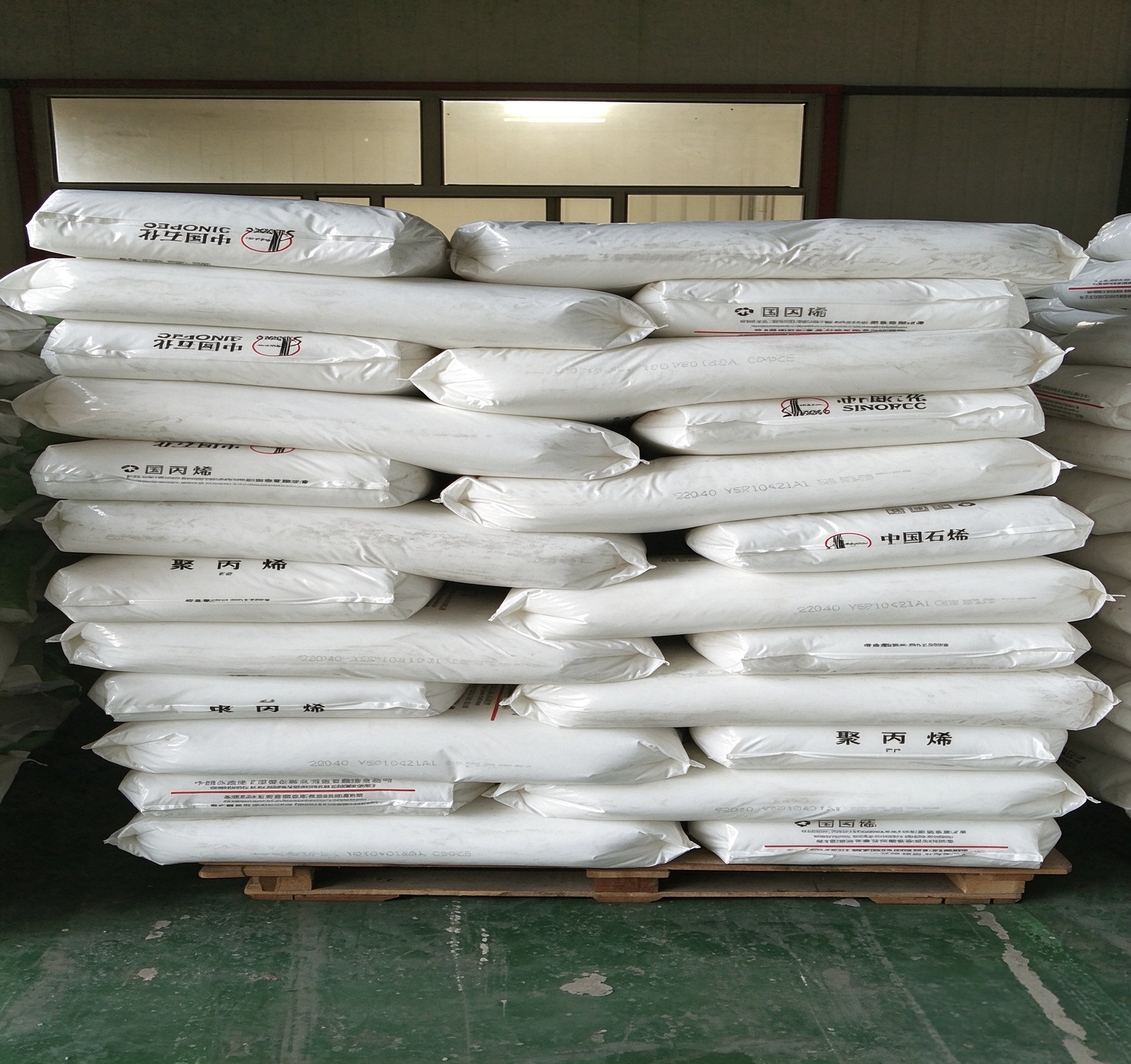
The same code can belong to different makers. I have seen S2040 under more than one producer brand. So I ask who made the lot. Then I ask for a trial bag and run it on the real line. I count spin breaks per shift. The grade also sits in a real nonwoven chain, since Sinopec runs nonwoven lines at its Yanshan base and sources materials locally. At Chengnuo, we keep this checklist for every PP inquiry.
Yanshan S2040 as a Specific PP Material Choice
A grade name feels safe. A fit check is safer.
Choose S2040 when you spin fiber, yarn or spunbond fabric and need high flow with steady quality. Skip it for tough molded parts. Always confirm the maker and the data sheet.
I see S2040 as a specialist, not a general tool. It works well when the line is built for high-flow fiber resin and the buyer controls quality by batch. It works poorly when a loose listing pulls someone toward molding. Chengnuo helps buyers write that fit check before they buy. The grade stays simple. The decision around it needs the care.
Conclusion
Yanshan S2040 is a high-flow PP for fiber and spunbond use. Confirm the maker, read the data sheet, run a trial, and match the grade to the job.
References
Wikipedia. "Polypropylene." https://en.wikipedia.org/wiki/Polypropylene
ISO. "ISO 1133-1:2022, Plastics: Determination of the melt mass-flow rate (MFR) and melt volume-flow rate (MVR) of thermoplastics." https://www.iso.org/standard/83905.html
European Patent Office. "EP 0 905 299 B1, Process for making spunbonded materials." https://data.epo.org/publication-server/rest/v1.2/publication-dates/20030409/patents/EP0905299NWB1/document.html
WIPO / Google Patents. "WO2004029342A1, Polypropylene fibres suitable for spunbonded non-woven fabrics." https://patents.google.com/patent/WO2004029342A1/enExample
ExxonMobil Chemical. "Exceed Tough PP3684 Polypropylene Homopolymer, Product Datasheet." https://www.exxonmobilchemical.com/en/chemicals/webapi/dps/v1/datasheets/150000103781/0/en
Sinopec Corp. via PR Newswire / Kyodo JBN. "Sinopec Puts Its First Meltblown Non-Woven Fabric Line into Production." https://kyodonewsprwire.jp/release/202003097787