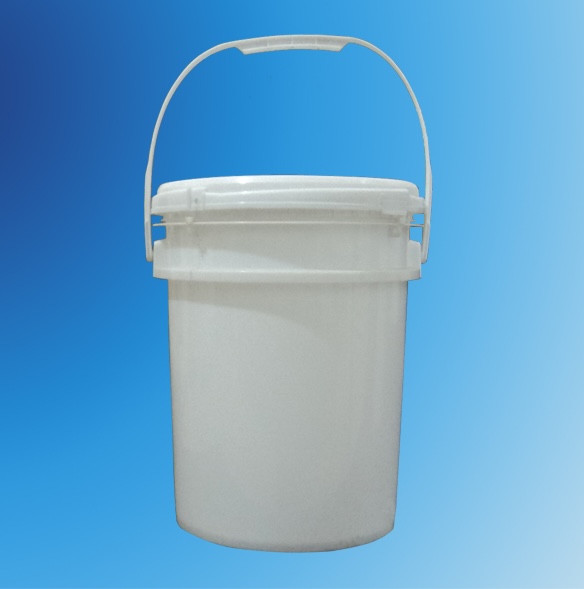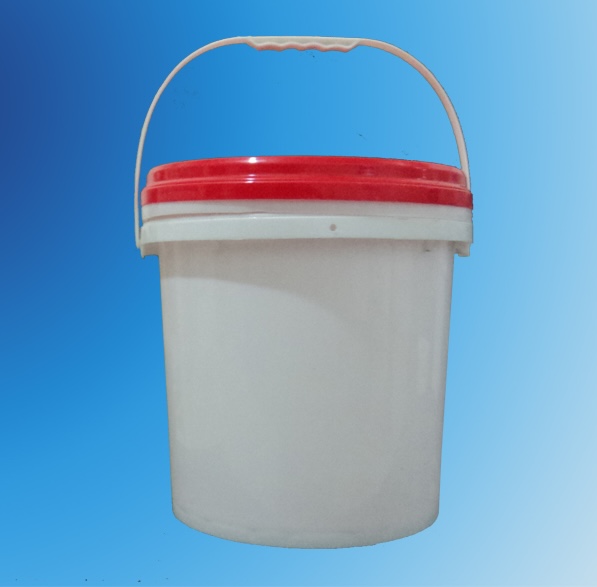
Warpage & Short Shot in Crate Injection Molding: How to Choose the Right HDPE (Shenhua 8007)
Injection molding factories that make multi-cavity turnover crates keep running into the same three problems: short shot, warpage after stacking, and cracking under low-temperature impact. Most technicians respond by adjusting machine settings, but the real cause often sits in the resin: how easily the melt flows and how it crystallizes. HDPE injection grades have clear application boundaries, and they cannot be swapped at random.
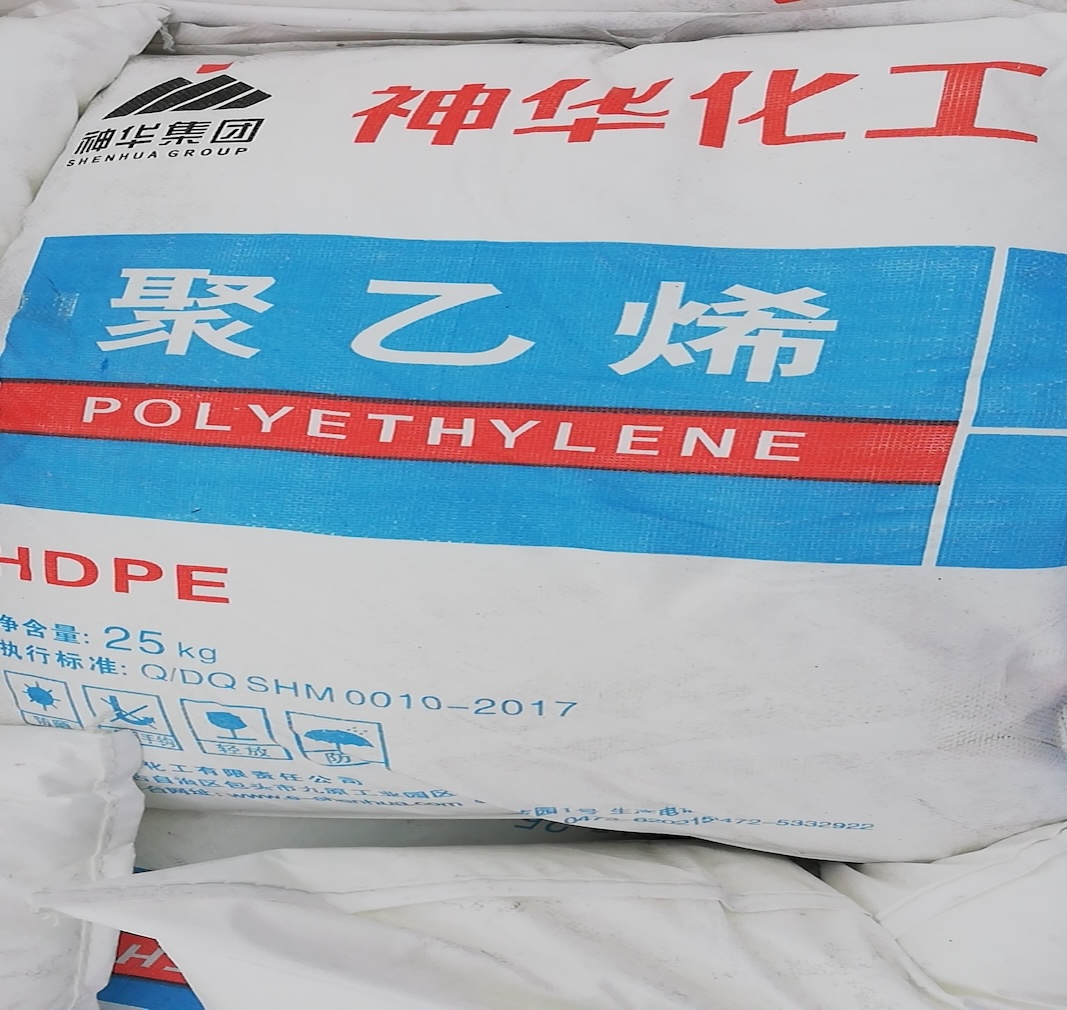
This guide explains the grade-selection logic for HDPE injection molding in plain terms, without heavy physics. It uses Shenhua 8007 as the example: a coal-based, high-flow, high-rigidity HDPE with a typical melt flow rate of 8.2 g/10min and a typical density of 0.963 g/cm³, developed for thin-wall, multi-cavity and high-load molding.
3 Resin Root Causes of Common Crate Defects
1. Short shot in multi-cavity molds
A short shot happens when the melt freezes before the cavity is completely filled, and it shows up most in thin walls and multi-cavity tools. Poor resin flowability is one of the main causes, alongside mold design and process settings. Low-flow HDPE has long molecular chains and high flow resistance, so it struggles to fill thin cavities. A high-MFR grade fills smoothly without excessive heat or injection pressure, which cuts the defect rate.
2. Warpage after long-term stacking
HDPE is a highly crystalline polymer. Warpage in semi-crystalline resins comes from uneven cooling shrinkage, differential shrinkage between crystalline and amorphous regions, and molded-in stress that relaxes after ejection. Uneven crystallization therefore leaves unbalanced internal stress and permanent distortion once crates are stacked. A grade with uniform crystallization keeps deformation low.
3. Cracking under low-temperature drop impact
PP and ordinary low-toughness HDPE perform poorly in cold storage and cold-chain handling. A balanced rigid-and-tough HDPE keeps its load-bearing strength and cold resistance without extra toughening additives.
Three Classes of Injection-Grade HDPE
HDPE injection grades are usually split by melt flow rate, and each class suits different products. For reference, HDPE injection grades in one major producer’s guide run at roughly 4–8 g/10min for crates, caps and closures. At 8.2 g/10min, Shenhua 8007 sits at the high-flow end of that range.
| Class | Best for | Limitation |
|---|---|---|
| Low-flow, thick-wall | Large heavy-duty chemical tanks with long molding cycles | Not suitable for thin-wall multi-cavity molds |
| Medium-flow, general purpose | Simple small containers | Low efficiency in mass thin-wall production |
| High-flow, balanced rigid-tough | Turnover crates, bottle caps, small housings | Not for thick-wall tanks, pipes or film. Shenhua 8007 belongs here. |
HDPE can also be split into oil-based and coal-based types. Coal-based resin offers steadier supply and less price movement tied to crude oil, which suits long-term bulk purchasing.
Core Advantages of Shenhua 8007
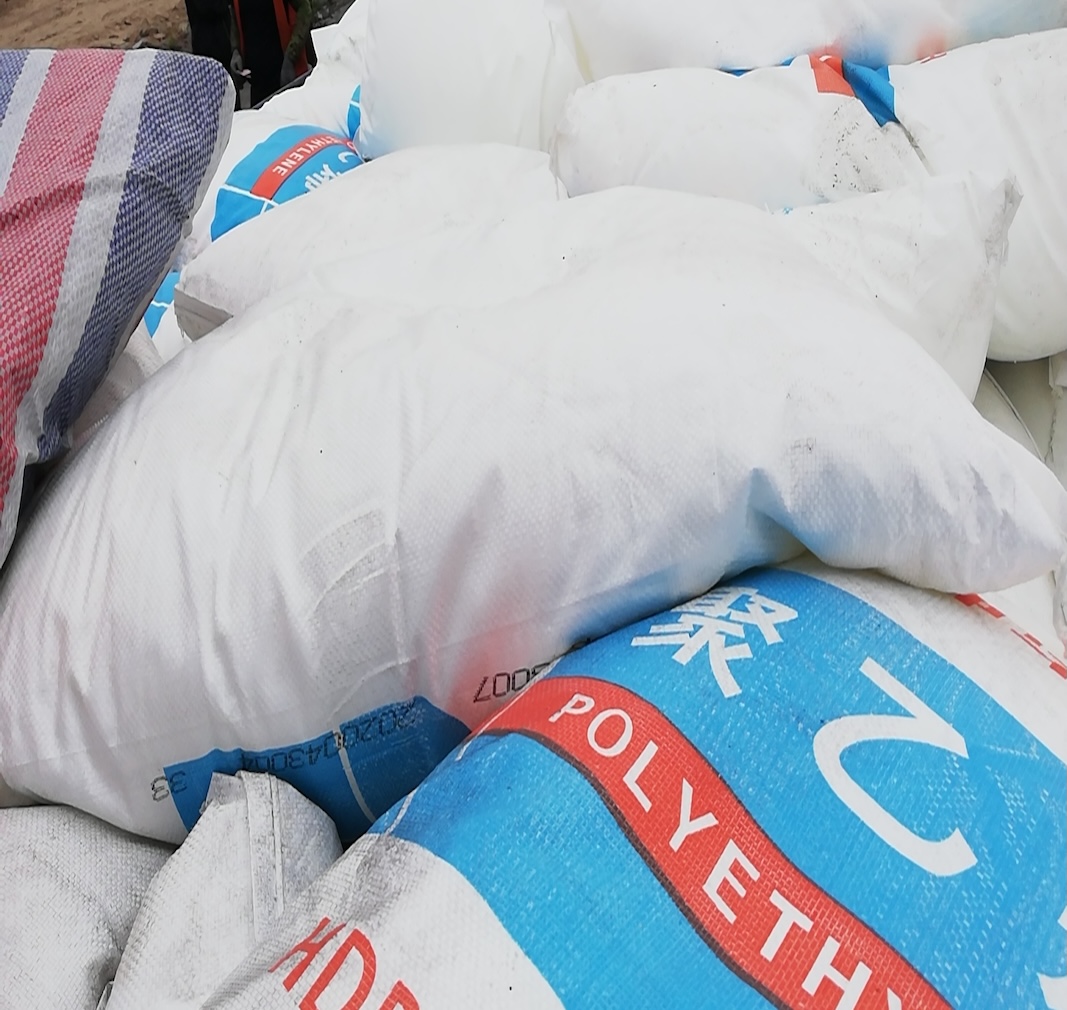
Shenhua 8007 is positioned as a high-rigidity, high-flow injection HDPE for thin-wall multi-cavity molding. It is produced at Shenhua Baotou’s coal-to-olefins facility.
- High fluidity shortens molding cycles and suits high-speed automated lines, reducing defects such as short shot and flash.
- Uniform crystallization lowers internal stress, helping stacked crates hold their dimensions without extra annealing.
- Balanced rigidity and toughness gives qualified tensile performance and resistance to cracking during cold handling.
- Food-grade additive system for food outer-packaging crates and daily chemical caps. Direct food contact needs additional compliance testing under your local standards.
- Stable coal-based supply makes it a reliable domestic substitute for imported HDPE grades in long-term bulk procurement.
Crates are stacked and handled repeatedly, so resistance to environmental stress cracking matters. ESCR generally improves as melt index falls, so high-flow grades involve a trade-off. If your crates carry long-term stacking load or contact cleaning agents, ask for ESCR test data on the exact grade before you commit.
Shenhua 8007 Specifications at a Glance
| Property | Value (typical, for reference) | What it means for crates |
|---|---|---|
| Melt flow rate (190°C/2.16kg) | 8.2 g/10min | Fills thin walls and multi-cavity molds |
| Density | 0.963 g/cm³ | High rigidity under stacking load |
| Tensile yield stress | ≥10.0 MPa (typical 13.0) | Resists deformation in use |
| Tensile break stress | ≥30.0 MPa | Load-bearing strength |
| Elongation at break | ≥140% (typical 155%) | Toughness in cold handling |
Processing Guide for Shenhua 8007
- Barrel temperature 180–220°C, rising from feed zone to nozzle
- Mold temperature 20–60°C: lower for thin walls, higher for thick walls
- Drying not needed for normally stored pellets. If damp, dry at 60–70°C for about 1 hour
- Injection pressure at a medium level, adjusted to part size and wall thickness
Resin choice widens the process window, but it does not replace good mold design. Uniform wall thickness, balanced gating, proper venting and even cooling still decide whether a multi-cavity crate tool runs clean.
Suitable and Unsuitable Products
| Suitable | Unsuitable |
|---|---|
| Food turnover crates, logistics pallets, plastic bottle caps, small chemical containers, storage bins | Large thick-wall storage tanks, plastic pipes, blow-molded drums, film products |
Frequently Asked Questions
What is the difference between coal-based and oil-based HDPE for injection molding?
Shenhua 8007 is a high-flow coal-based grade with steady supply and mild price swings. Oil-based HDPE is more affected by crude oil prices and global supply changes.
Does high-flow HDPE reduce crate rigidity?
Not necessarily. Shenhua 8007 pairs high flow with a density of 0.963 g/cm³, which supports rigidity. For load-critical designs, request the full test data.
Can a high-flow grade eliminate short shot completely?
No resin can. High flow widens the filling window, but gate size, venting, wall design and melt and mold temperatures still matter.
Can LLDPE replace HDPE for turnover crates?
No. LLDPE lacks the rigidity and runs on different equipment. It can only be blended in small amounts to add toughness.
Does Shenhua 8007 need drying or special temperature settings?
Normally no drying. If pellets are damp, dry at 60–70°C for about 1 hour. Process at 180–220°C barrel temperature and tune injection pressure to part size.
Conclusion: Match the Grade Before Tuning the Machine
When crates show short shot, warpage or cold cracking, check the HDPE grade first instead of only tuning equipment. As a coal-based, high-rigidity, high-flow HDPE, Shenhua 8007 is built for thin-wall multi-cavity turnover crates and caps, with steady long-term supply for bulk orders.
View the Shenhua 8007 product page or contact the Chengnuo team for the technical datasheet, COA, free samples and a quotation.
Sources
FirstMold. Short Shot Analysis and Solutions
LyondellBasell. Tech Topic: Warpage
Intertek. Melt Flow Index, Melt Flow Rate testing to ASTM D1238 or ISO 1133 Standards
LyondellBasell. Polyethylene Injection Molding Applications
LyondellBasell. Tech Topic: Environmental Stress Crack Resistance