ABS Plastic for Injection Molding: How to Choose the Right Material with Jilin Petrochemical 0215A?
You buy ABS by the name, and the parts still fail. The mold is right. The settings are right. The grade is the problem.
Choose ABS by matching the grade to your machine, your part design, and your production plan. Then check that the supplier can deliver the same quality every time. The resin name alone tells you very little.
Most buyers never ask these questions until a lot goes wrong. I ask them on day one. Here is the order I follow, from basic knowledge to a sourcing plan you can keep for years.
What is ABS Plastic and Why is It a Common Choice in Modern Manufacturing?
Everyone has heard of ABS. Few buyers know what sits inside the pellet, and that gap costs money.
ABS is an engineering thermoplastic made from acrylonitrile, butadiene, and styrene. It sits between standard plastics and higher-end engineering plastics. Manufacturers use it for housings, trim, and appliance parts because it is tough, easy to process, and cost-effective.
Why Grade Choice Matters
ABS is a terpolymer, and the mix can change a lot. UL Prospector notes that makers can vary the three parts to create a wide range of grades. It also explains that more butadiene raises impact resistance but lowers heat resistance and rigidity. So two ABS resins can behave very differently in the same mold. I learned this early in my career. A buyer told me his ABS was "the same as last time." It was not the same grade, and his housings cracked at the screw bosses. Now I treat ABS as a family, not a single material. That view changes how I read a data sheet and how I talk to a supplier. At Chengnuo, we start every customer talk with the part, not with the pellet. Better questions lead to better purchases.
What Should Manufacturers Consider when Selecting ABS Plastic Materials?
Buyers often start with price. Then the resin does not fit the machine, and the price stops mattering.
Consider three things: grade compatibility with your equipment and product needs, processing requirements such as drying and temperature control, and supply stability from a reliable source. A grade that fits all three keeps production steady and cuts scrap.
Material Grade Compatibility
Different ABS grades serve different jobs. I check three points. Does the material match the processing equipment? Does the grade fit the production requirements? Can the supplier give the same quality, lot after lot?
Processing Requirements
ABS needs care in the shop. Texas Injection Molding advises drying ABS at about 80°C for 2 to 4 hours, since wet resin leaves silver streaks on the part. It also gives a mold temperature of 60 to 80°C for a good surface. MakerVerse lists shrinkage, surface defects, and moisture as the main challenges. I ask about molding conditions, production efficiency, and consistency in each run. A suitable ABS material should match both the process and the final product.
Supply Stability and Material Source
For B2B buyers, stable supply matters as much as the grade. I look for a reliable material source and a partner for long-term work. A petrochemical manufacturer or an ABS raw material supplier can often speak about batch control better than a small trader. At Chengnuo, we help buyers compare these sources with one simple checklist.
|
Factor |
What to Ask |
Why It Matters |
|
Grade compatibility |
Does the grade fit my machine and part design? |
Less trial time and less scrap |
|
Processing requirements |
Can I run it with my drying and molding setup? |
Better surface quality and cycle time |
|
Supply stability |
Can the source deliver the same quality every month? |
A steady production plan |
Jilin Petrochemical 0215A: Is This the Right ABS Plastic Grade for Your Manufacturing Needs?
A grade code on a quote sheet is only a code. You need to know where it comes from and what it must do.
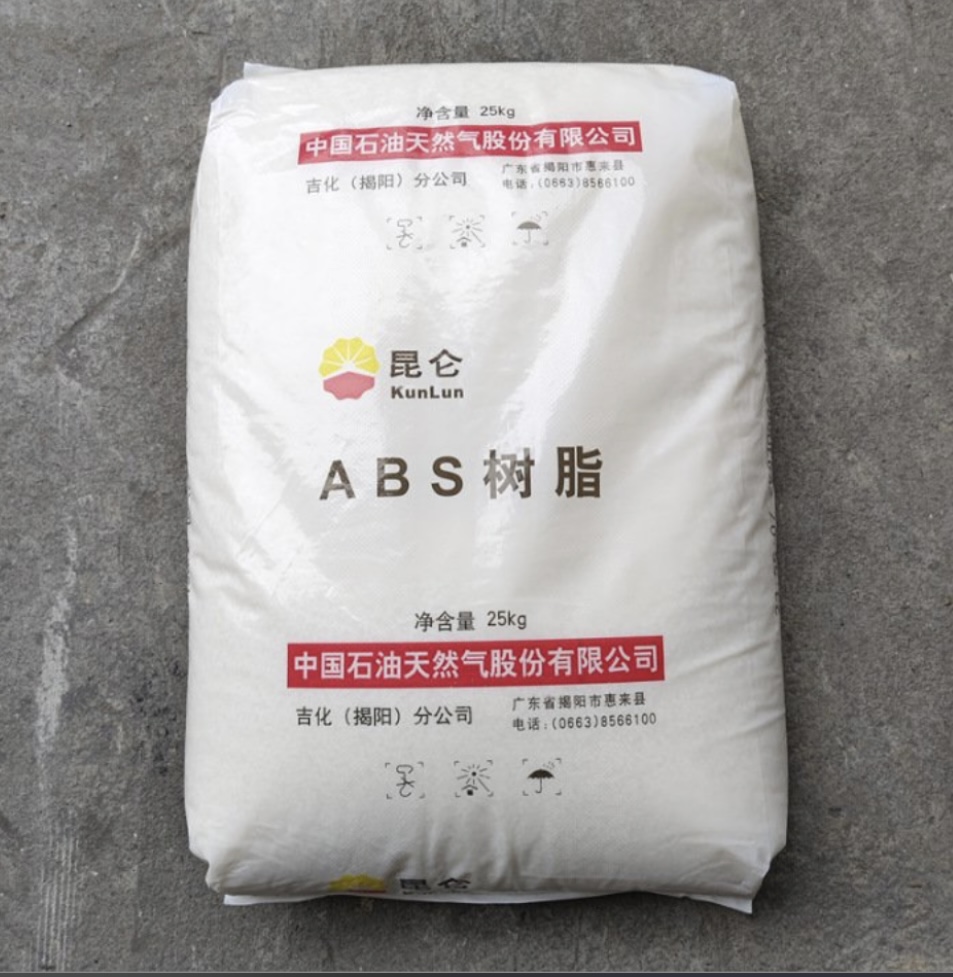
Jilin Petrochemical 0215A is an ABS resin grade supplied for manufacturers who are evaluating ABS materials against their processing and production requirements. Check the grade source, the ABS category, and how well it matches your line before you decide.
Grade Source and Category
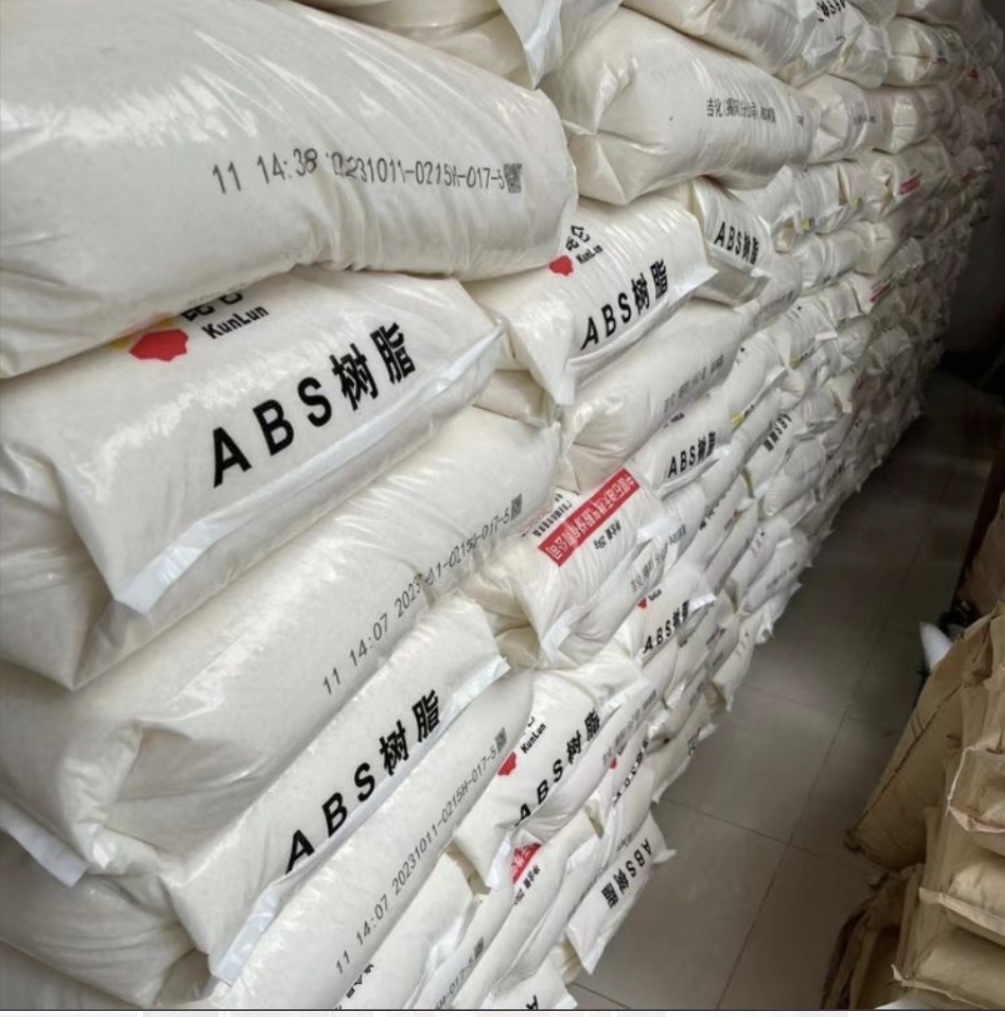
Jilin Petrochemical is a petrochemical producer with its own ABS output. A report from SunSirs says the company reached strong production and sales for six special ABS grades in early 2024, and was building a new 400,000-ton ABS unit. Another tracker, Portfolio Plus, lists its ABS capacity at 1.2 million tons a year as of late 2024. That tells me the source can support regular supply. But it does not tell me if 0215A fits your part. When evaluating Jilin Petrochemical 0215A, manufacturers typically consider factors such as processing requirements, quality consistency, and supply reliability to determine whether the grade meets their production objectives.
How to Test the Match
I dry the resin as the data sheet says. I mold a small run on the customer's own machine. I check the surface, the shrinkage, and the weld lines. Then I repeat the test with a second lot. At Chengnuo, we share these steps with every buyer who asks about 0215A. We do not promise results before the test. We let the test speak, and the data sheet stays the final word on specifications.
How to Build a Reliable ABS Plastic Sourcing Strategy?
One good order does not make a supply plan. The second order is where trouble shows up.
Build an ABS sourcing strategy on four points: supplier reliability, product availability, clear technical communication, and long-term supply capability. Test each point before you commit, and keep a second option ready.
Qualify Every Lot
Buying ABS means more than picking one grade. Cleverence suggests tracking melt flow rate, moisture content, and colour difference against a master standard, and keeping lot traceability. I follow the same idea, and I write these checks into the purchase agreement. Then I ask four questions. Is the supplier reliable? Is the product available when I need it? Can I talk to their technical team? Can they supply for years? Last spring, a customer sent me a photo of splay on his parts. We traced it to storage, not to the resin. A short call saved him a week. A good supplier is not only a seller. It is a partner who helps when a problem appears. At Chengnuo, we act as that link between the buyer and the petrochemical source.
Conclusion
Choose ABS by grade fit, processing needs, and supply strength. Test Jilin Petrochemical 0215A on your own line, and build a sourcing plan that lasts beyond the first order.
References
UL Prospector. "The Basics of Acrylonitrile Butadiene Styrene (ABS)." https://ulprospector.ul.com/11655/pe-the-basics-of-acrylonitrile-butadiene-styrene-abs/
Texas Injection Molding. "ABS Injection Molding." https://texasinjectionmolding.com/blog/abs-injection-molding/
MakerVerse. "The Guide to ABS Injection Molding." https://makerverse.com/resources/guide-to-abs-injection-molding
SunSirs. "The Output of New Materials of China Jilin Petrochemical Reached a New High Again." https://www.sunsirs.com/uk/detail_news-19414.html
Portfolio Plus. "Jilin Petrochemical." https://portfolio-pplus.com/SiteMains/Details/635
Cleverence. "ABS Plastic Guide." https://www.cleverence.com/amp/articles/oracle-documentation/abs-plastic-guide-4832/