LDPE Blown Film Resin Selection Guide: Why Shenhua 2426H Suits Agricultural & Packaging Film
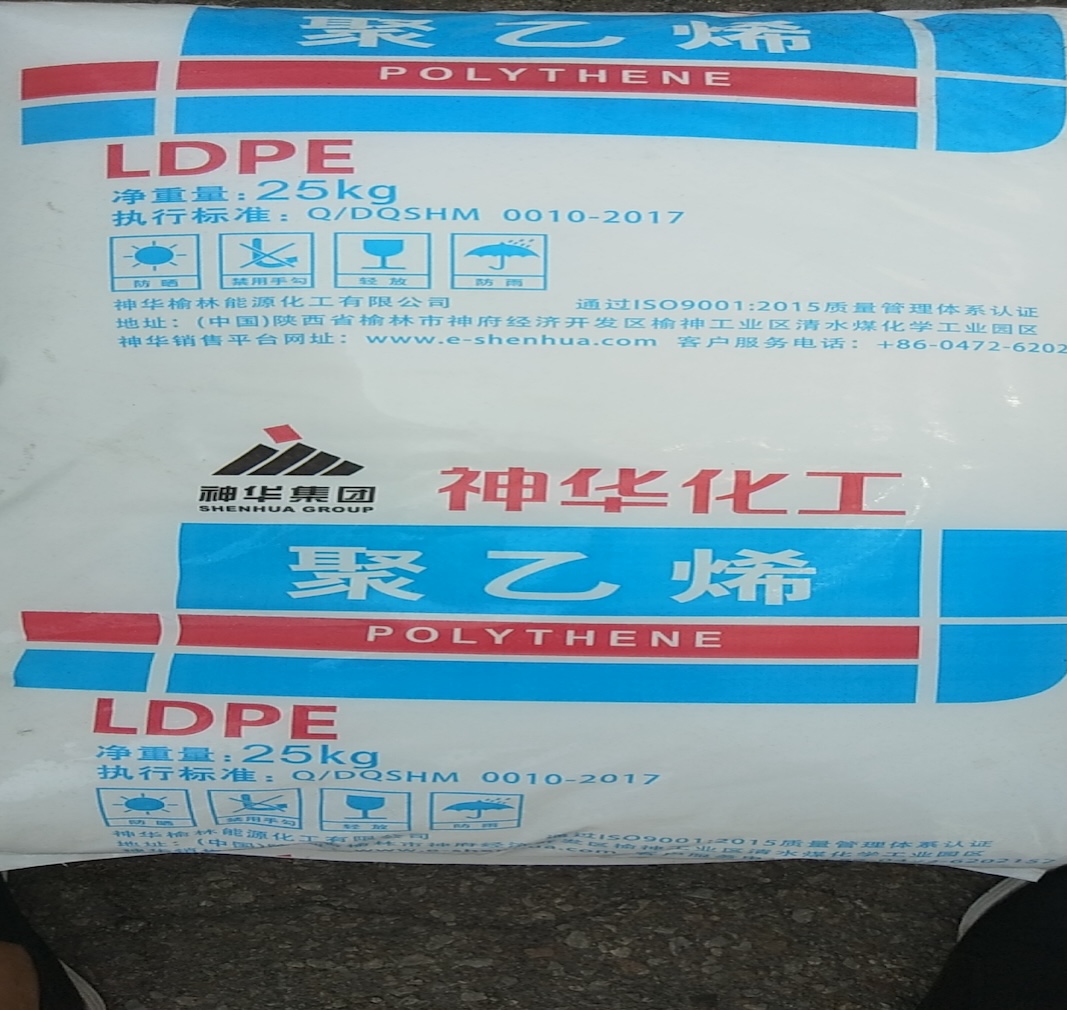
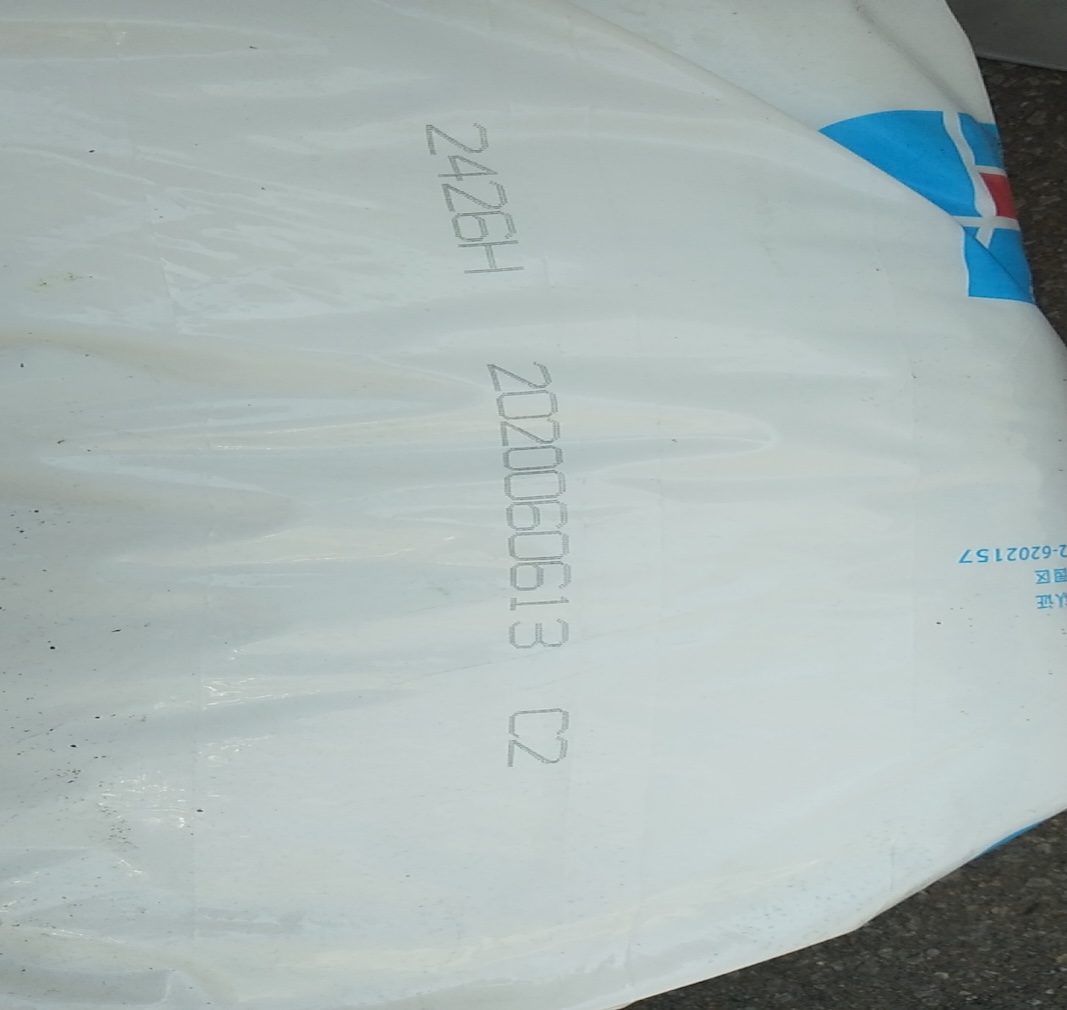
2426H is a mainstream general-purpose LDPE blown film resin for agricultural and packaging film production. Many manufacturers compare only raw material prices and overlook purity, anti-blocking performance, low-temperature toughness and supply stability. Cheap, low-quality resin often leads to excessive fish eyes, film blocking, low-temperature cracking and unstable film bubbles, which means heavy scrap and constant machine debugging.
This guide covers the production pain points caused by inferior LDPE, three selection standards for blown film resin, and how coal-chemical Shenhua 2426H performs against them.
4 Production Pain Points Caused by Inferior LDPE Film Resin
1. Gels and impurities. Low-grade resin contains abundant gels, which show up as visible fish-eye defects that fail food and agricultural packaging inspections. Industry testing sources note that gels create weak points in film and can lead to rupture and scrapping, so the scrap loss often exceeds the money saved on raw material.
2. Film blocking. Without enough antiblock additives and slip agents, film layers stick together on the roll. Tightly adhering film disrupts automatic slitting and bag-making lines and raises labor cost.
3. Poor low-temperature toughness. Agricultural film that cracks under frost and temperature swings drives up customer returns.
4. Unstable supply. Petroleum-based LDPE supply can swing with crude oil prices and equipment maintenance. A shortage in peak season forces parameter readjustment and causes large production losses.
Three Core Selection Standards for Blown Film LDPE
1. Flow Performance (MFR and Density)
Shenhua 2426H has an MFR range of 1.9–2.2 g/10min (190°C/2.16kg, ISO 1133) with a typical value of 2.16 g/10min, and a density of 0.924–0.925 g/cm³ (GB/T 1033.2). MFR testing measures how easily the melt flows through a standard orifice, so a narrow, stable MFR range helps keep the film bubble intact and extrusion parameters fixed, which cuts batch debugging work.
2. Optical and Mechanical Performance
The resin delivers a low haze of 5.7% and a tensile breaking strength of ≥10.6MPa (GB/T 1040.2, typical value). When you compare haze figures between suppliers, confirm the test method first. Optimized for agricultural film, 2426H has good low-temperature toughness and stays flexible at -40°C without cracking during storage and transport (manufacturer test data, for reference only).
3. Processing Compatibility
Pre-mixed food-grade anti-blocking and slip additives disperse evenly without blooming, matching high-speed bag making, composite film heat-seal layers and slitting machines.
Shenhua 2426H Specifications at a Glance
| Parameter | Value | Why It Matters |
|---|---|---|
| MFR (190°C/2.16kg, ISO 1133) | 1.9–2.2 g/10min (typical 2.16) | Stable bubble, fixed extrusion settings |
| Density (GB/T 1033.2) | 0.924–0.925 g/cm³ | Consistent film stiffness and feel |
| Haze | 5.7% | Clear enough for most agricultural and packaging film |
| Tensile breaking strength (GB/T 1040.2) | ≥10.6 MPa (typical) | Film strength in use |
| Fish eyes, 0.8mm | ≤0 per 1520cm² | Fewer visible defects, less scrap |
| Fish eyes, 0.4mm | ≤1 per 1520cm² | Fewer visible defects, less scrap |
| Low-temperature flexibility | Flexible at -40°C (manufacturer data) | Frost and cold-chain transport |
| Additives | Pre-mixed food-grade anti-blocking and slip | Smooth bag making and slitting |
Production and Supply Advantages of Shenhua 2426H
Cleaner film. Shenhua 2426H is made by continuous coal-chemical polymerization with multi-stage filtration. Its fish eye indicators (0.8mm: ≤0 per 1520cm²; 0.4mm: ≤1 per 1520cm²) are far better than the GB 11115 requirement, so fewer defective films reach inspection. It also mixes well with UV weather-resistant masterbatch, which extends outdoor film service life and reduces after-sales risk.
Stable supply. Unlike volatile petroleum-based LDPE, Shenhua’s independent coal-chemical production supports stable year-round spot inventory across North, Northwest and East China, which avoids peak-season shortages and production downtime.
Where Shenhua 2426H Fits, and Where It does Not
Polyethylene is the backbone of agricultural film: one market report found that polyethylene dominates demand, with LLDPE and LDPE together above 78% in 2012 (an older figure, so treat it as context, not a current share).
| Suitable | Not suitable |
|---|---|
| Greenhouse film, mulch film, fruit insulation film, shopping bags, single-layer food packaging, composite film heat-seal substrates | High-end optical film that needs ultra-low haze and high gloss |
Frequently Asked Questions
What is the MFR of Shenhua 2426H?
1.9–2.2 g/10min (190°C/2.16kg, ISO 1133), typical value 2.16 g/10min, with a density of 0.924–0.925 g/cm³.
What films is Shenhua 2426H used for?
Greenhouse film, mulch film, fruit insulation film, shopping bags, single-layer food packaging and composite film heat-seal substrates.
Is it suitable for high-end optical film?
No. With a haze of 5.7%, it is not intended for films that need ultra-low haze and high gloss.
Does it work with UV masterbatch?
Yes. It mixes well with UV weather-resistant masterbatch to extend outdoor film life.
Conclusion: Choose LDPE Film Resin by Yield and Supply, Not Unit Price
When selecting blown film resin, prioritize overall production cost, yield and supply stability over the lowest unit price. With strict quality control, balanced optical and mechanical performance and reliable long-term supply, Shenhua 2426H helps most agricultural and packaging film manufacturers raise production efficiency and cut comprehensive costs.
View the Shenhua 2426H product page or contact the Chengnuo team to request the full technical datasheet and a quotation.
Sources
Intertek. Gels (Contamination)
Ampacet. Reasons for Using Antiblock Additives
Intertek. Melt Flow Index, Melt Flow Rate testing to ASTM D1238 or ISO 1133 Standards
ASTM International. ASTM D1003: Haze and Luminous Transmittance of Transparent Plastics
HortiDaily. Estimates and Forecasts of the Global Agricultural Film Market