A grade name tells you very little. Pick the wrong resin and you get short shots, warped parts and scrapped lots. I have seen it happen.
Ningxia Coal 1040TE can suit polypropylene injection molding when your part is thin-walled and needs fast filling. Its high melt flow rate supports that. Always confirm stiffness, impact and compliance data against your own part and a trial run.
I have spent more than ten years in plastic raw materials. Most failed grade choices came from one skipped step: matching the data to the part. This guide walks through that match, one step at a time, using Ningxia Coal 1040TE as the working example.
What Should You Know about Ningxia Coal 1040TE?
Buyers often start with a price and a grade name. Then the first trial run shows what they forgot to ask.
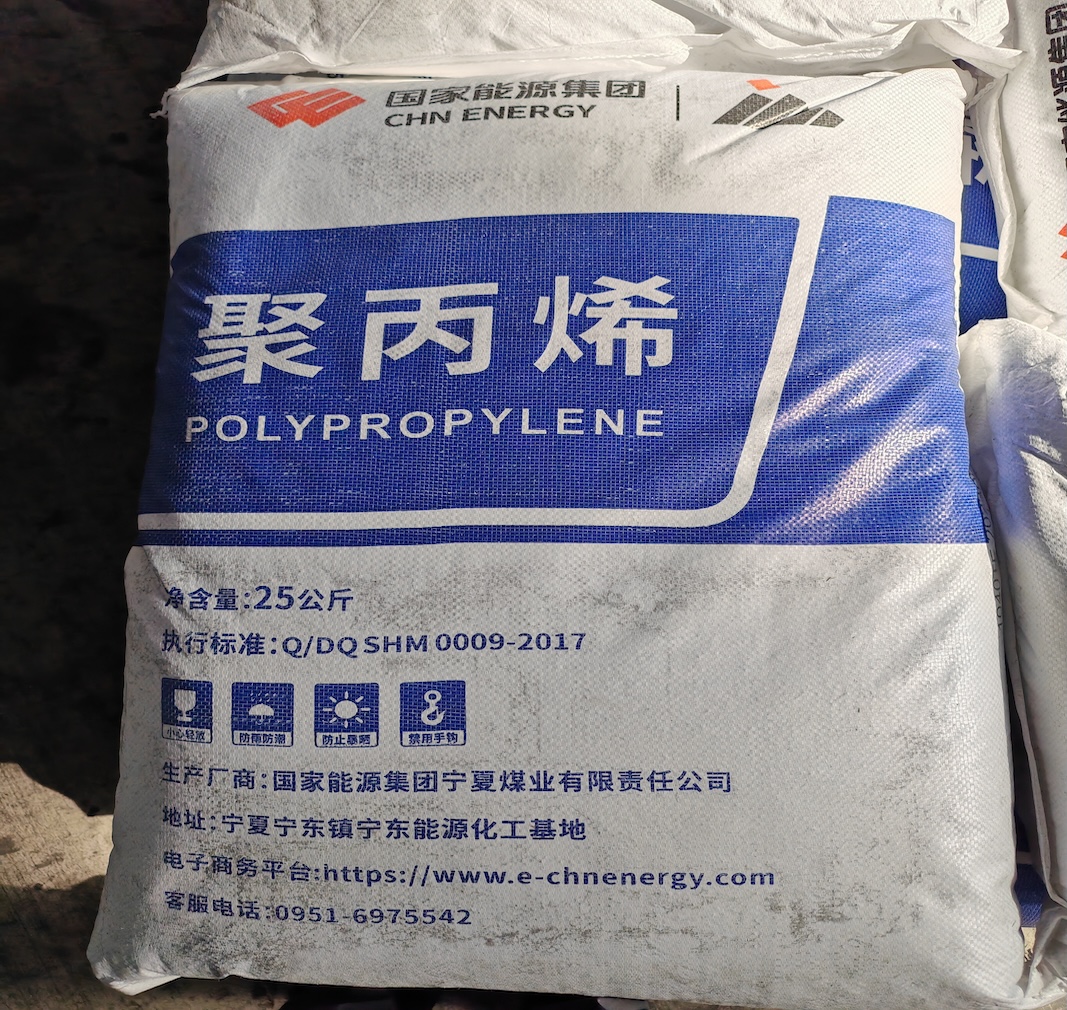
Ningxia Coal 1040TE is a high-flow polypropylene sold for injection molding. Its data sheet lists a melt flow rate near 60 g/10 min at 230 °C and 2.16 kg. That points to thin-wall parts such as cups, lids and small boxes.
Read melt flow rate for what it is
The melt flow rate is the mass of polymer, in grams, that pushes through a set die in ten minutes under a set weight and temperature. ASTM D1238 and ISO 1133 describe the method. A high number means lower molecular weight and lower melt viscosity. It is also a single-point test at low shear. Two resins with the same number can still behave differently in the mold. So I never pick a grade on this value alone.
Confirm the polymer type in writing
Stiffness and impact change with the polymer type and any modifier. I ask every supplier to state the type clearly on the data sheet and on the batch certificate. At Chengnuo, we send a batch certificate of analysis with each shipment, so buyers can compare the paper with the bag. That habit prevents most surprises later. I also ask what the part will face in use: heat, cold, oils, or repeated stacking. A good answer to that one question narrows the grade list fast.
How Can Ningxia Coal 1040TE Meet Injection Molding Requirements?
Thin walls need fast flow. Fast flow often costs toughness. You cannot judge a grade until you see both sides.
1040TE meets injection molding needs through high flow, which fills walls of roughly 0.3 to 2 mm at high speed, and through a flexural modulus of at least 1,600 MPa for stiffness. Impact strength is the trade-off you must test.
What the typical values say
The table lists typical values from the 1040TE product page. I treat them as a starting point, not a guarantee. Your batch certificate sets the real range.
| Property | Typical value | What it means for molding |
|---|---|---|
| Melt flow rate (230 °C, 2.16 kg) | 58–62 g/10 min | Fills thin walls fast; cycle time can drop |
| Flexural modulus | ≥ 1,600 MPa | Stiff parts that hold shape when stacked |
| Tensile yield strength | ≥ 36 MPa | Resists deformation under load |
| Notched Charpy impact (23 °C) | ≥ 2.0 kJ/m² | Modest toughness; test drops and cold use |
| Heat deflection temperature | ≥ 112 °C | Handles warm filling and light heat exposure |
Test the weak point first
High flow and modest impact mean one thing to me: test the drop and the stack. I run parts through a drop test, a stacking test and, if the product goes into a fridge, a cold test. Do this on a small trial lot before you commit to tooling changes or a large order. Also check how the part feels in hand. A thin wall that passes a lab number can still flex too much in real use. Ask your line workers and your end users. Their first reaction often tells you more than a chart.
Which Processing Factors Should You Check with 1040TE?
The resin is only half the story. The wrong melt or mold setting can waste a good grade.
Check melt temperature, mold temperature, hold pressure, wall thickness and venting. The product data for 1040TE puts the barrel at 210–240 °C and the mold at 40–70 °C. Start in the middle and adjust from there.
Start with shrinkage and wall thickness
PP injection molding guidance notes that polypropylene shrinks about 1–2.5%, and that uniform walls and good gate placement control warpage. A PlasticsToday study on PP shrinkage found that part thickness has the largest effect. Higher mold temperature raises shrinkage, while higher cavity pressure lowers it. I use that when a part runs out of tolerance. I change hold pressure first, then mold temperature.
Fix defects one setting at a time
The Formosa Plastics molding guide suggests hold pressure at 50–75% of injection pressure and lists clear fixes: short shots need more pressure or heat, sink marks need more hold time, and flash points to low clamp force or deep vents. High-flow resin makes flash more likely, so I check vents and parting lines early. Silver streaks usually mean moisture, so I dry the resin before I touch the machine. I log every change. One change per shot keeps the cause clear. Moisture is rarely a problem with PP stored well, and the 1040TE page says light drying at 60–70 °C is enough if the pellets pick up water. Still, I weigh wet bags and open boxes with suspicion.
What Should Buyers Verify before Ordering Ningxia Coal 1040TE?
A strong data sheet means little if the bag in your plant does not match it.
Verify the technical data sheet, the batch certificate of analysis, compliance papers for your market, a trial result, and packaging and storage terms before you place a full order.
Match the paperwork to your market
Food-contact rules depend on where you sell. In the US, 21 CFR 177.1520 covers olefin polymers for food-contact use, and the finished article must also meet the rules for its final form. China uses GB 4806. One does not replace the other. I never call a resin food grade without the paper for the buyer's own market.
Order in stages
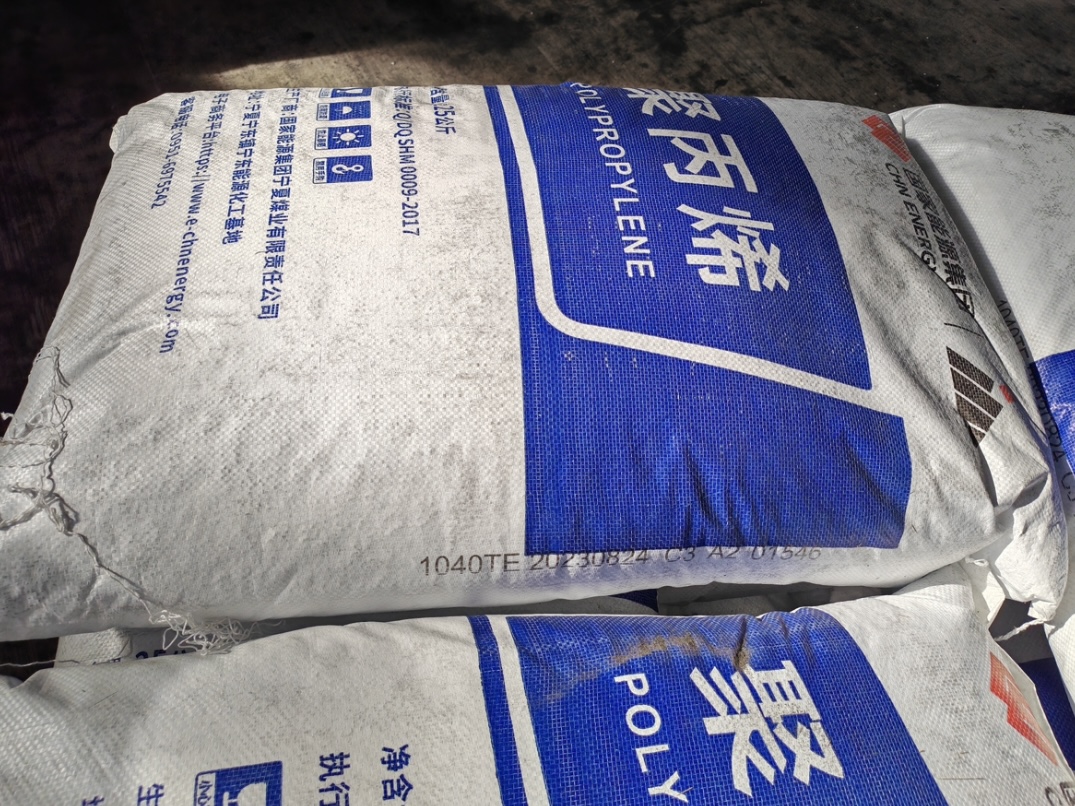
I suggest three steps: a free sample, a small trial order, then the full order. Check the pellets for black specks and odor. Compare each lot against the certificate range. Store the 25 kg bags in a cool, dry place away from sunlight. You can review the grade details and request samples on the 1040TE polypropylene page. Staged buying costs a little time and saves a lot of scrap. Write down your pass and fail limits before the trial starts, such as fill time, part weight, warpage and drop results. Then both sides know what a good trial looks like, and the next order goes faster.
Conclusion
1040TE suits thin-wall polypropylene injection molding when data, trials and paperwork agree. Match the grade to the part, test the weak points, and verify documents first.
References
Wikipedia. Melt Flow Index.
Europlas. PP Injection Molding: Things You Should Remember.
PlasticsToday. Predicting Shrinkage for Polypropylene.
Formosa Plastics USA. PE/PP Injection Molding Process Guide (2025).
U.S. Government Publishing Office. 21 CFR 177.1520 – Olefin polymers.