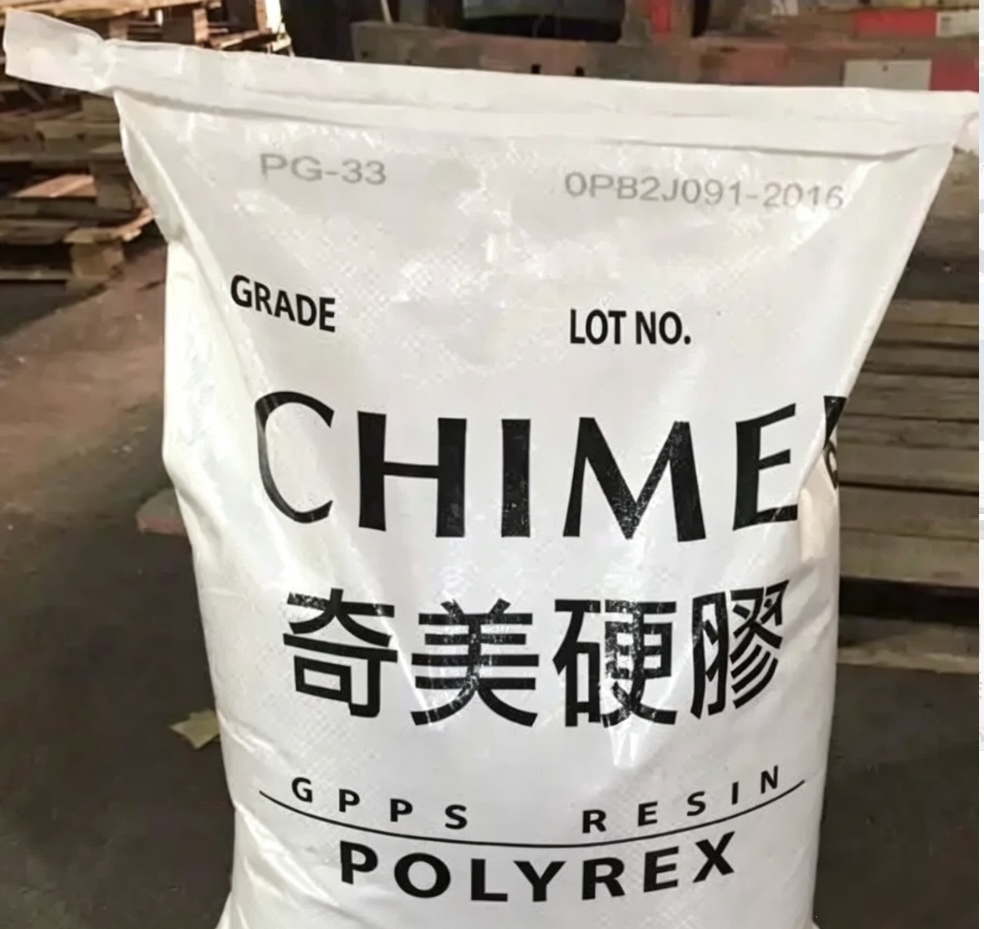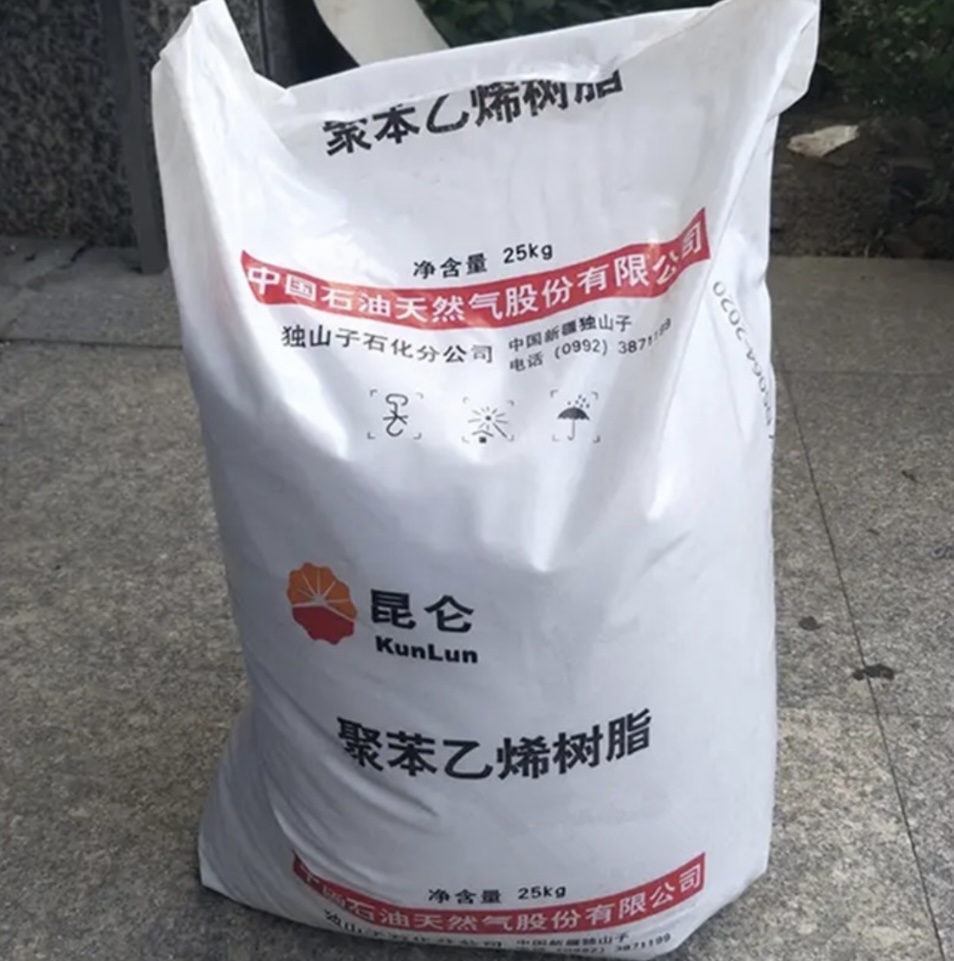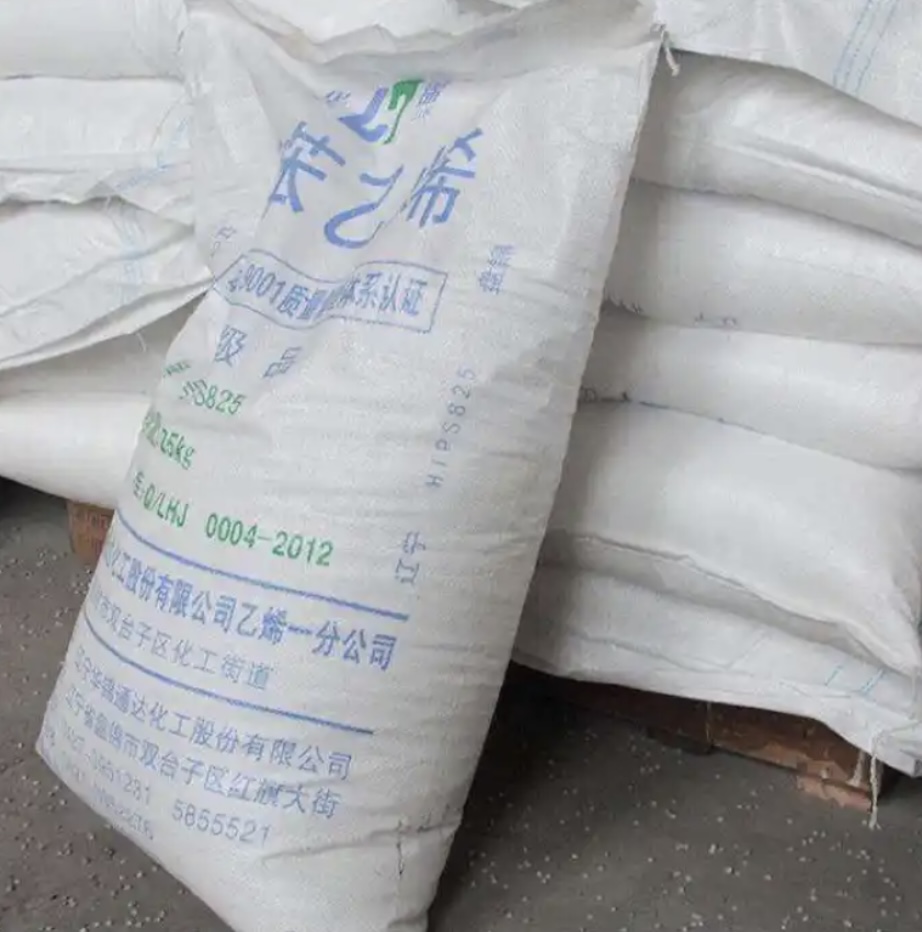
Search 1102K and you meet three different resins under one name. Order from the wrong listing and your tape line runs the wrong material.
Find a 1102K polypropylene importer through producer-linked suppliers, trade directories and direct inquiry. Then verify the producer name, the full grade code, the data sheet and the batch certificate. Never choose a supplier from a grade name alone.
I have worked in plastic raw materials for more than ten years. Most sourcing problems start when a buyer trusts a code instead of a document. Below is how I check a source for Ningxia Coal 1102K, step by step.
What Should You Know about Ningxia Coal 1102K before Sourcing It?
Buyers often start with the code and stop there. That shortcut is where wrong shipments begin.
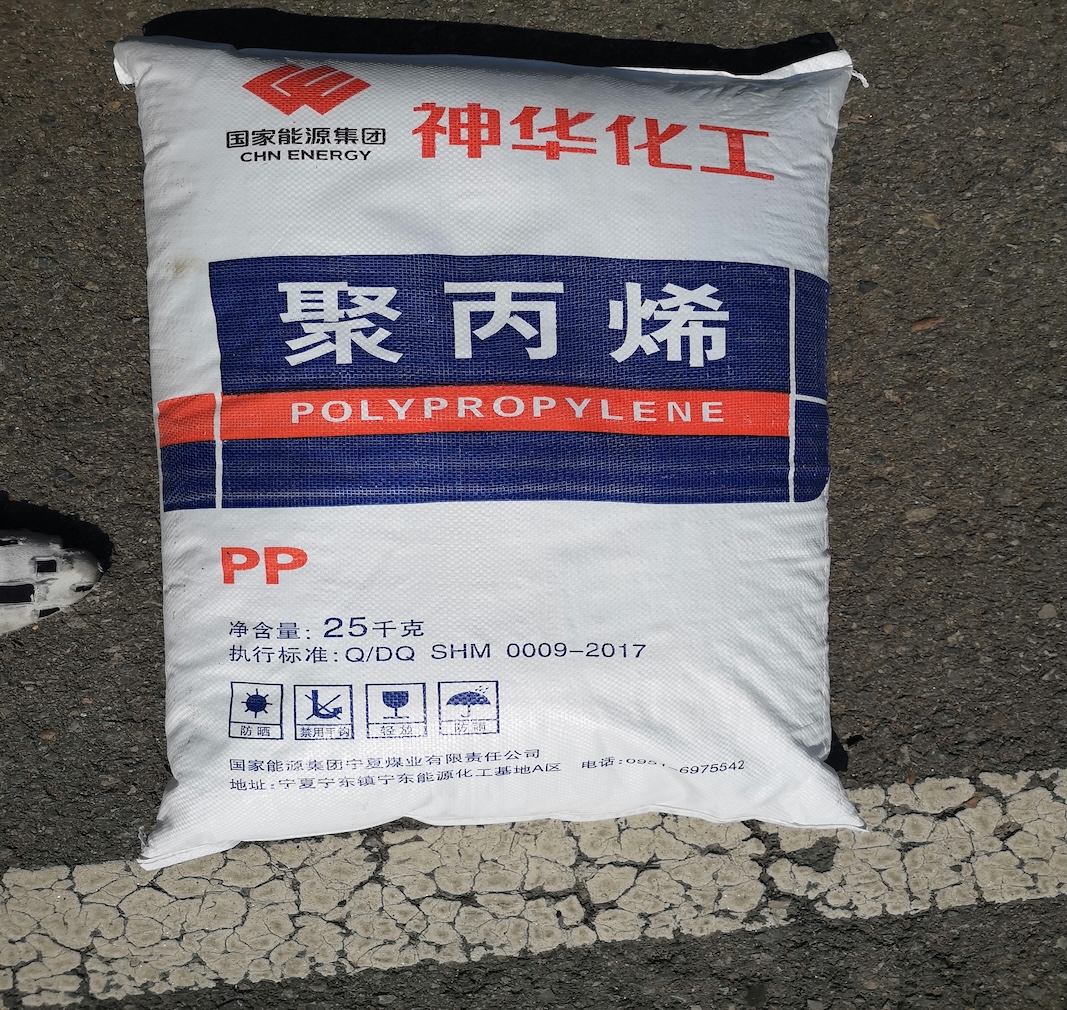
Ningxia Coal 1102K is a homopolymer polypropylene for high-speed raffia tape extrusion. The product page lists a melt flow rate near 3.3 g/10 min at 230 °C and 2.16 kg. It carries a thermal stabilizer only, so outdoor use needs a UV additive.
One code, several resins
The name 1102K belongs to more than one producer. The IRPC Polimaxx 1102K datasheet lists an MFR of 4.0 and a barrel range of 225–255 °C. The Advanced-PP 1102K listing describes a raffia and tape yarn homopolymer from another producer. The Ningxia Coal page shows a different window again. The table puts them side by side.
| Listing | Melt flow rate | Stated processing range | Listed use |
|---|---|---|---|
| Ningxia Coal 1102K | 3.3 g/10 min | 190–225 °C extrusion | Raffia tape, woven sacks |
| IRPC Polimaxx 1102K | 4.0 g/10 min | 225–255 °C barrel | Woven bags, FIBCs, rope, tape |
| Advanced-PP 1102K | Not on public page | Extrusion | Raffia, tape yarn, strapping |
Where the resin ends up
Most jumbo bags are woven from oriented polypropylene. The resin is melted, cast into film, cut and stretched into tape, then woven. So a small shift in stretch behavior shows up as tape breaks on your line. I ask buyers what bag they make before I talk about price. A grain sack, a cement sack and a jumbo bag load the tape in different ways. The same resin can be a good fit for one and a poor fit for another. That one question often cuts a long list of suppliers to two or three.
Which Technical Details Should a 1102K Polypropylene Importer Confirm?
A short data sheet can hide the one value your line needs. Ask early, and ask in writing.
Ask the importer to confirm the producer, melt flow rate with its test method, stiffness, elongation, ash, additives, extrusion range and pellet appearance. Each answer should sit on a data sheet that names the producer.
Read melt flow rate with care
The melt flow index is a single-point test. It does not describe the full flow behavior of the melt. Two lots with the same number can stretch differently. So I ask for the lot range, not only the typical value. I also compare the stated flexural modulus, about 1,380 MPa on this page, and the ash limit with what my buyer's line tolerates.
Check additives and the processing window
The page lists no slip, anti-block or UV additive. That suits indoor sacks. It does not suit open-air storage bags. The page also gives a 95:5 resin to color masterbatch reference and asks for a trial first. I agree with that. A masterbatch can change tape strength. The extrusion range of 190–225 °C also differs from the IRPC range, so I ask the importer for trial settings and compare them with my own machine.
How Can You Evaluate a Supplier of Ningxia Coal 1102K?
Suppliers all say yes. The proof sits in their paperwork and in how fast they answer a hard question.
Evaluate a supplier by checking producer traceability, batch certificates that match the lot, clear sample terms and consistent written answers. A supplier who explains limits is safer than one who promises everything.
Know what a certificate proves
A certificate of analysis is a statement by the party that sold you the material. It is useful, but it is not independent proof. Check that the batch number matches the bags you receive. Compare the layout against an earlier certificate from the same supplier. Watch for results that never change or always sit at the limit. I also run a small incoming test on the first lot. Even a simple check of melt flow and pellet color against the certificate tells me whether the paper and the bag belong together. If they do not, I stop the shipment before it reaches the line.
Compare sources with the same questions
Producer-linked suppliers, importers with stock and trade directory contacts can all work. Send each one the same list: producer name, data sheet, batch certificate, sample terms, Incoterm and trial support. Then lay the answers side by side. Look at who answers each point, how fast, and how clearly. A reply that avoids the producer question is a warning sign. A reply that gives a name, a sheet and a sample plan in one email is worth a call. At Chengnuo, I encourage buyers to request the data sheet and batch certificate first, and to check them against the first bag they open.
What Should Buyers Confirm before Ordering Ningxia Coal 1102K?
Many deals fail after the order, not before. A missing detail at the port is expensive.
Confirm compliance papers for your market, the Incoterm and named port, packaging, storage terms, sample approval and a trial plan. Put all of it in the contract.
Understand where risk moves
One Incoterms 2020 guide stresses that these terms are about risk transfer, not only physical handover. Under FOB, the seller's duty ends once goods are loaded on the vessel. Under CIF, the seller buys insurance, yet risk still passes at loading. I tell buyers to read their term as an operating manual and to name the port.
Match papers and trials to your plan
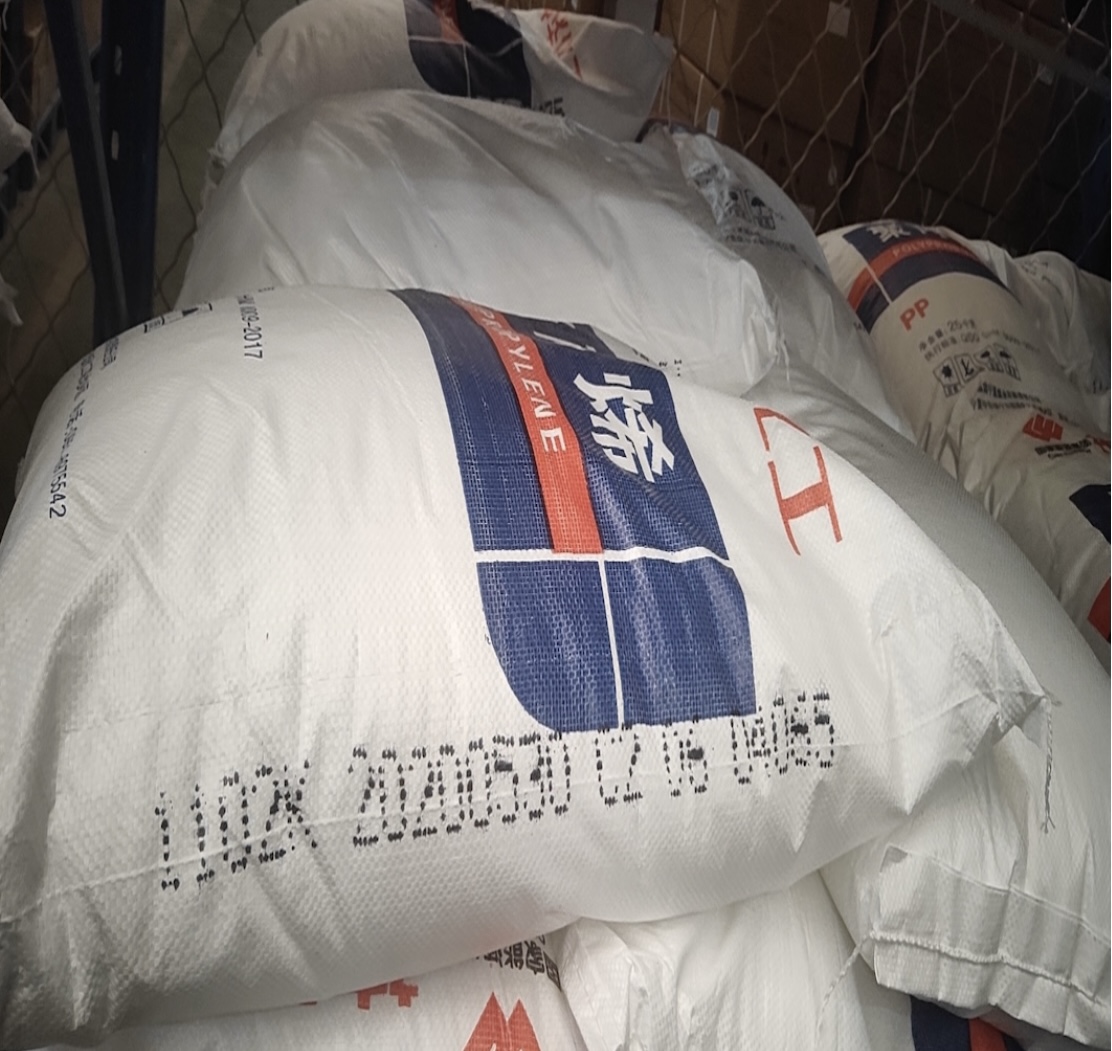
The product page names GB 4806.6, FDA and EU food-contact rules, but it shows no certificate numbers. So I ask for the documents themselves, for the market where the bags will be sold. I never call a resin food grade without them. Then I follow a simple path: sample, small lot, full order. Track tape breaks, stretch ratio and pellet cleanliness. Set pass and fail limits before the run, so both sides agree on what a good trial means. Keep the trial data. It becomes your baseline for every later lot. Store the 25 kg bags in a cool, dry place at 0–30 °C. You can review the grade and send an inquiry on the 1102K polypropylene page.
Conclusion
Verify the producer, data sheet, batch certificate, Incoterm and trial results in writing. A grade code is only a starting point for choosing a 1102K importer.
References
IRPC. Polimaxx PP Homo 1102K Datasheet.
UL Prospector. Advanced-PP 1102K Datasheet.
Wikipedia. Flexible Intermediate Bulk Container.
Wikipedia. Melt Flow Index.
Kognitos. Certificate of Analysis: Why the Document Proves Less Than You Think.
Unisco. Incoterms 2020 Explained.