

Ningmei 1102K Homopolymer PP Raffia Grade | High Tensile Extrusion Resin for Woven Sacks & Food Packaging
Product Overview
Ningmei 1102K is homopolymer PP manufactured via standardized gas-phase polyolefin polymerization production lines for high-speed flat yarn extrusion. Narrow molecular distribution delivers stable melt tension and high tensile strength to cut filament breakage.
With a clean stabilizer-only formula free of slip/anti-block additives, it has low ash and minimal migration, complying with GB 4806.6, FDA and EU food standards. Every batch comes with COA for full traceability.
Large-scale standardized production ensures stable consistent supply for woven sack and rope manufacturers. Its broad processing window helps reduce defective products and optimize continuous extrusion operation stability. Relevant production trial data can be verified by batch COA and customer test records upon request.
Basic Product Specifications
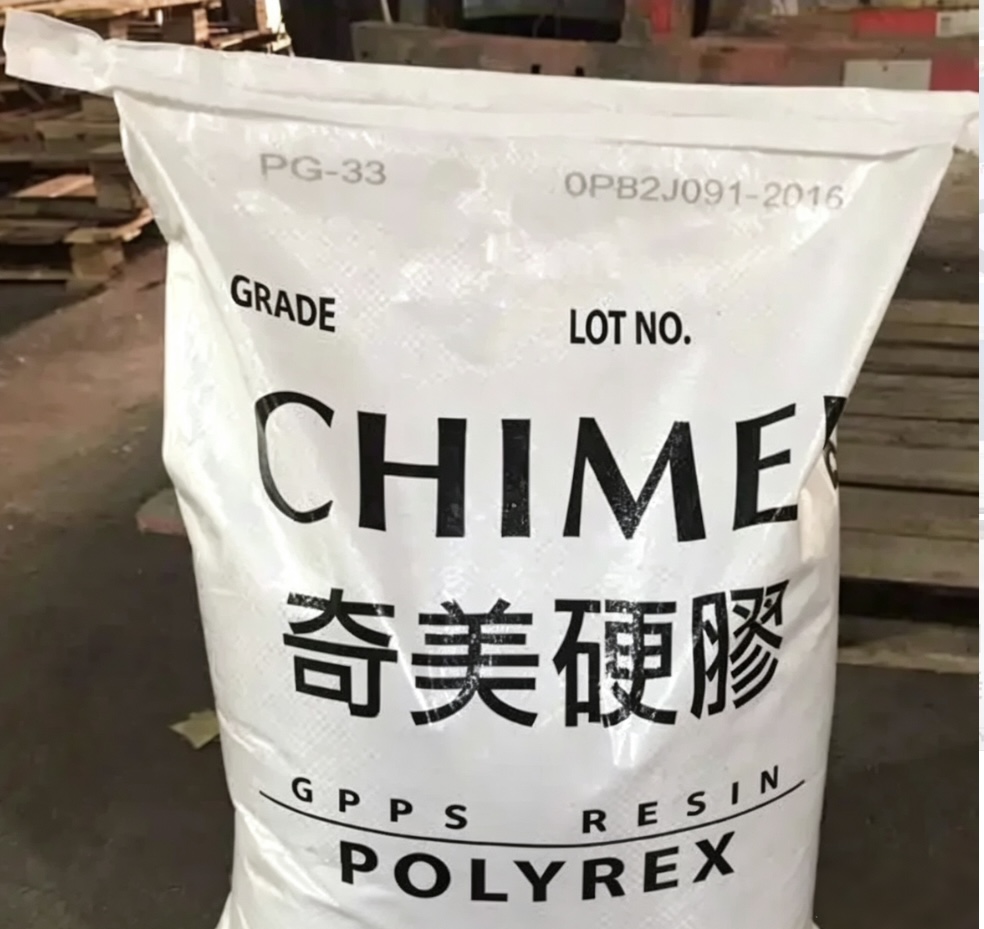
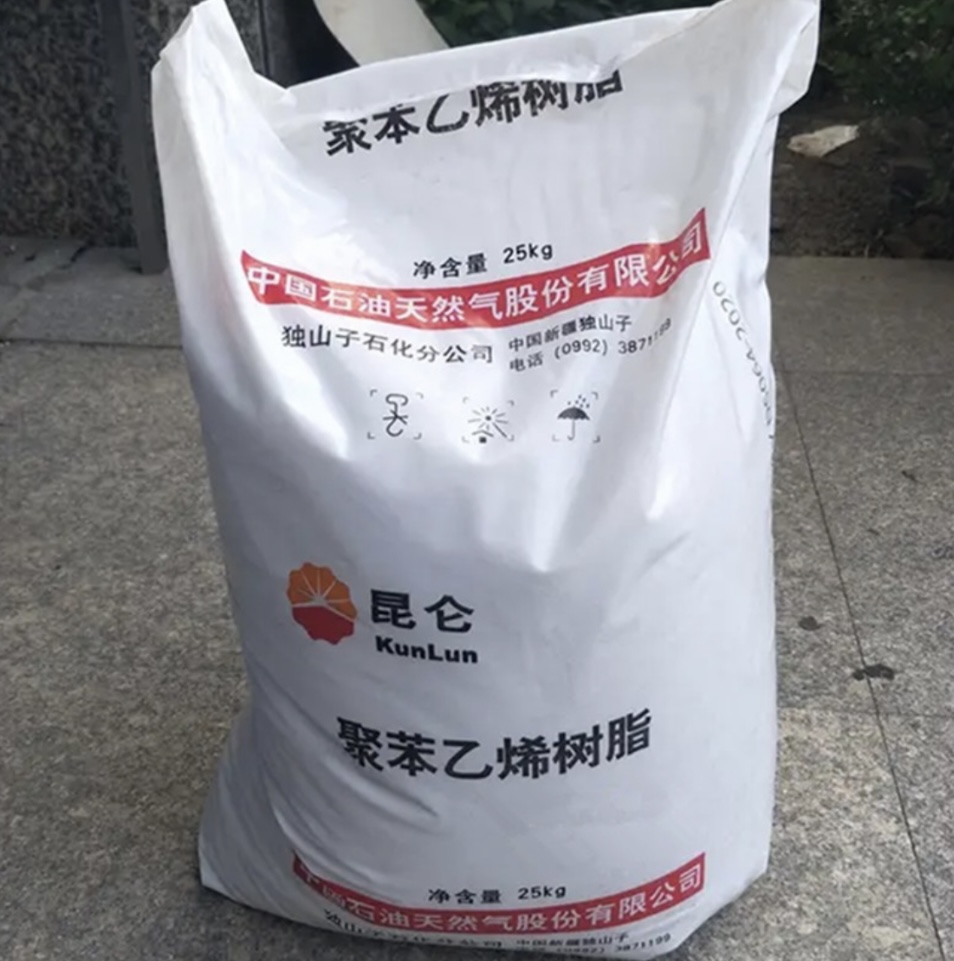
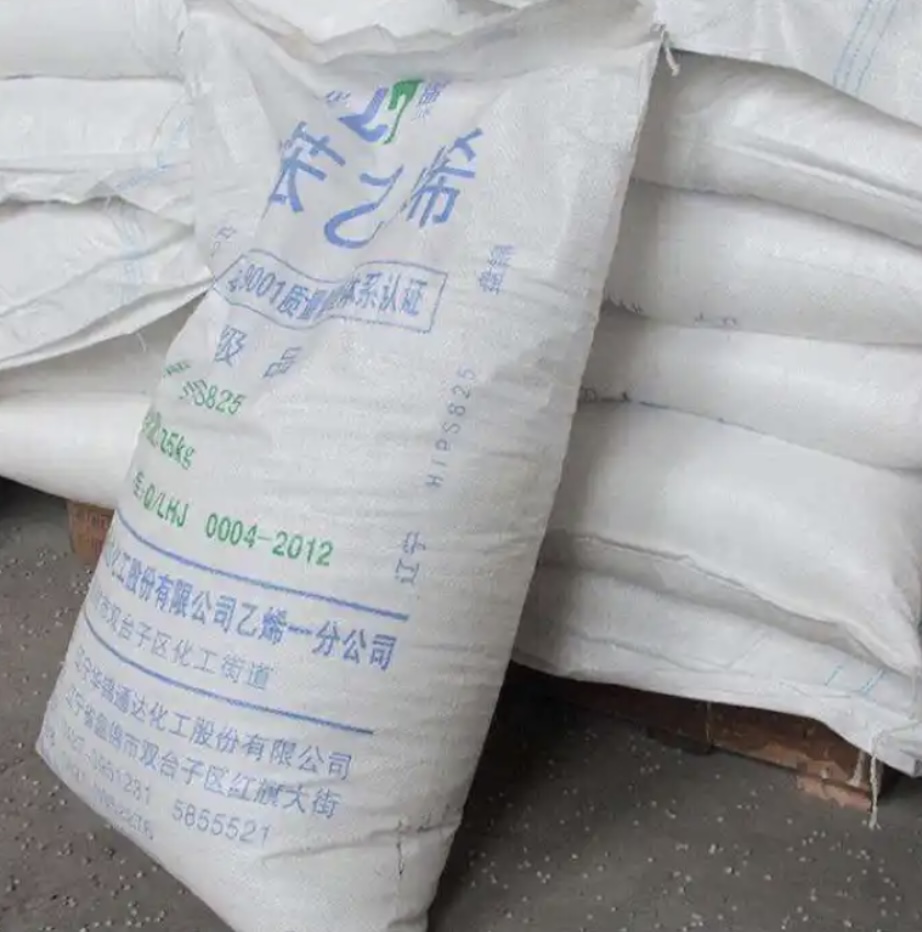
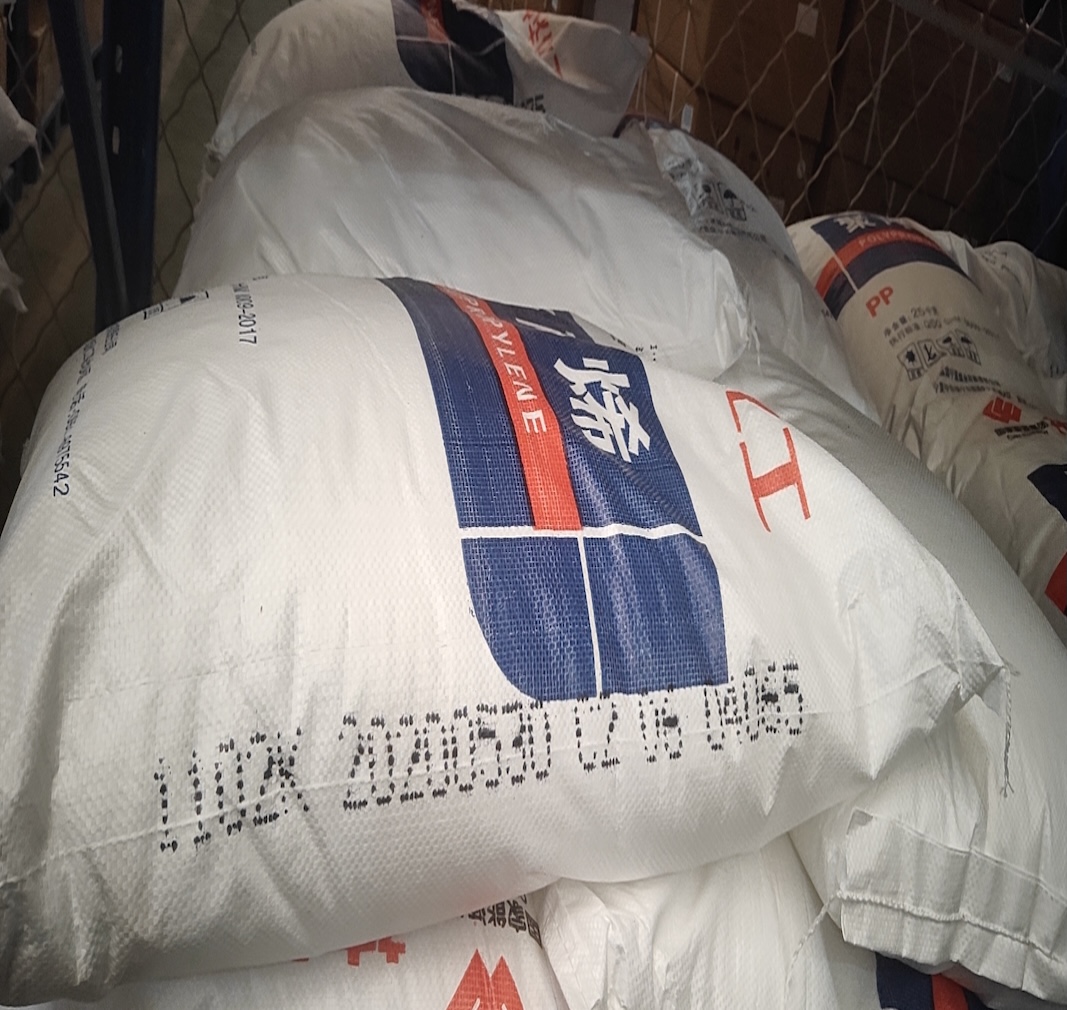
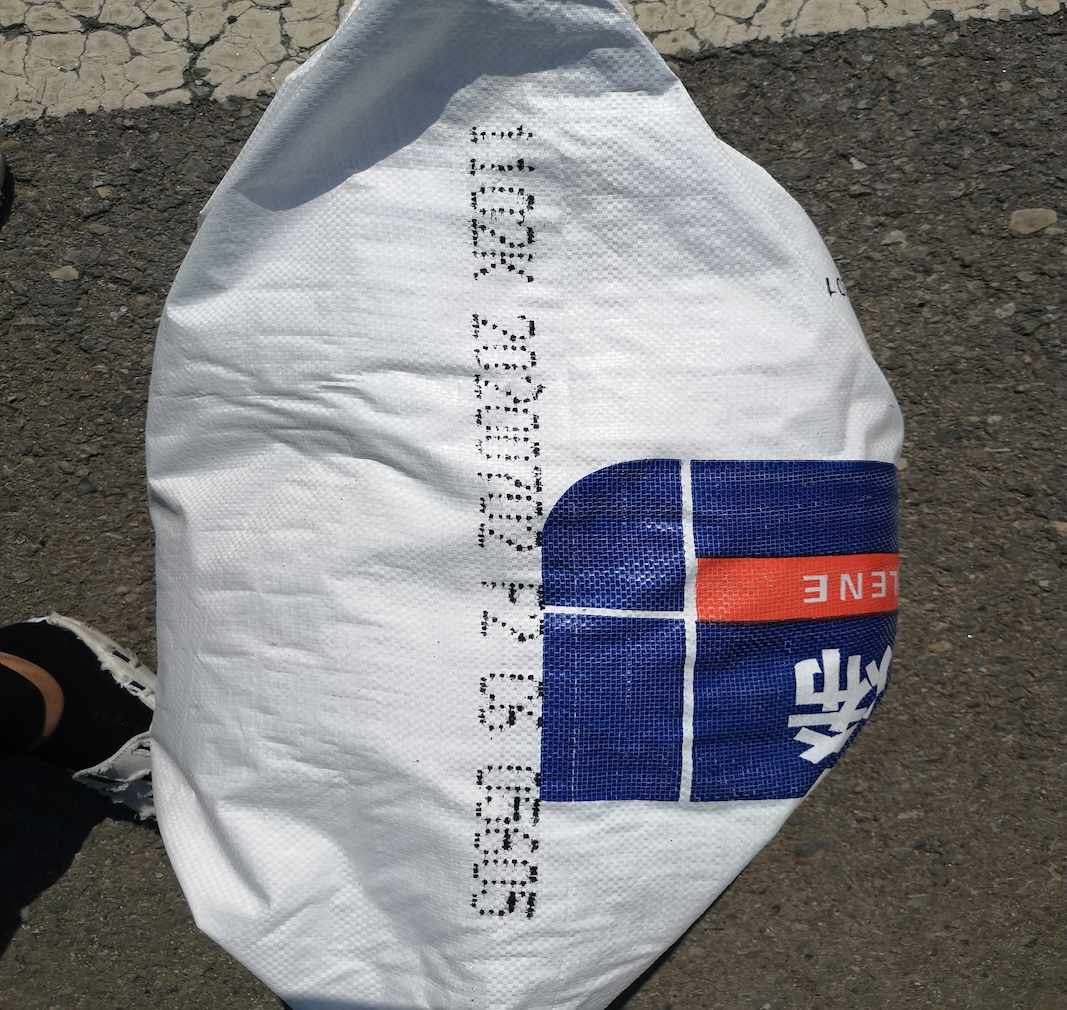
All data are typical values tested at 23°C on standard 4mm injection specimens; 100% uniform milky white virgin pellets packed in original 25kg woven bags, free of black specks and gels.
Density: 0.905 g/cm³ (ISO 1183)
Melt Flow Rate: 3.3 g/10min (ASTM D1238, 230°C / 2.16kg)
Tensile Yield Strength: 34 MPa (ISO 527, 50mm/min)
Elongation at Break: ≥570% (ISO 527, 50mm/min)
Flexural Modulus: 1380 MPa (ISO 178)
Notched Izod Impact (23℃): 3.0 kJ/m² (ISO 180)
Heat Deflection Temperature (0.45MPa): 89°C
Ash Content: ≤0.026%
Additive System: Single thermal stabilizer, no slip or anti-block additives
Core Product Advantages
Stable Tensile Performance for High-Speed Raffia
High crystallinity homopolymer PP delivers balanced rigidity and uniform stretching performance, perfectly matching high-speed flat yarn extruders to lower filament breakage. Woven sacks and binding ropes maintain stable dimensional stability under static load to extend service life.
Low Auxiliary Migration & Food Safety
No slip or anti-block masterbatch is added during polymerization, greatly reducing surface bloom and migration risks. It will not contaminate grain and dry food inside woven packaging, fully meeting strict domestic and export food packaging standards.
Moderate Chemical Resistance
It shows good resistance to dilute acid, dilute alkali, water and alcohol daily chemicals, helping maintain the service life of woven storage sacks and optimize long-term usage cost under standard service conditions. Supporting material corrosion test reports are available for checking.
Smooth Long-Cycle Extrusion
Medium melt flow ensures homogeneous plasticization for uninterrupted mass production, minimizing bubble and uneven thickness defects. Ultra-low ash content effectively reduces spinneret clogging risks, extending continuous extrusion runtime and optimizing mold cleaning frequency for stable 24-hour production. Actual extrusion efficiency data can be provided with customer production trial documents.
Main Application Fields
Food Contact Woven Packaging
Food-grade woven sacks, grain storage bags and non-oily cold food rigid containers, fully compliant with global food contact regulations.
Industrial Woven Articles
Raw material for fertilizer sacks, cement woven bags, jumbo bags, binding ropes, fishing nets and civil geotextiles.Note: This homopolymer PP has weak low-temperature impact and no UV stabilizers. It cannot be used for gears, bearings, low-temperature parts and long-term outdoor structural components.
Processing & Storage Guidelines
Processing Parameters
Extrusion temperature: 190–225°C (feed zone 190–200℃, metering zone 210–225℃). Reference blending ratio of resin to color masterbatch is 95:5; small-batch trial runs are required before mass production.Drying requirement: Ultra-low moisture absorption below 0.01%, pre-drying unnecessary under sealed dry storage. Dry damp pellets at 60–70°C for 1–2 hours to prevent thermal yellowing and degradation.
Storage Requirements
Store pellets in cool, dry and ventilated warehouses, temperature 0–30°C, relative humidity below 60%. Do not stack bags over 5 layers to avoid packaging deformation. Shelf life is 2 years under standard storage; follow FIFO rules and isolate from sunlight, heat sources and organic solvents.
Frequently Asked Questions
Q1: What is the MFR of Ningmei 1102K?A: Its MFR is 3.3 g/10min under ASTM D1238 (230°C / 2.16kg), matching most mainstream high-speed flat yarn extruders.
Q2: Can this resin be used for food contact packaging?A: Yes. The clean low-migration formula meets GB 4806.6, FDA and EU standards, suitable for dry grain and cold food woven sacks.
Q3: How to store pellets to retain stable performance?A: Store in cool dry warehouse within 0–30°C with humidity below 60%, stacking height limited within 5 layers, and use up within 2 years following FIFO rules.
Q4: Is it suitable for long-term outdoor use?A: Original pellets contain no UV anti-aging additives and will turn yellow and brittle under prolonged sunlight. Add UV masterbatch for outdoor applications.
Q5: Is the supply of 1102K stable?A: Relying on large-scale standardized polypropylene integrated production lines, we maintain full-year sufficient spot inventory and consistent batch quality to support long-term bulk orders.
Product Summary
Ningmei 1102K is cost-effective homopolymer PP dedicated to flat yarn extrusion, featuring balanced tensile rigidity, low additive migration and stable long-cycle extrusion performance. Widely applied in food-grade woven sacks and general industrial woven products, it satisfies mass production demands of sack, rope and packaging manufacturers.Backed by standardized large-scale polyolefin production lines and stable global inventory, we supply complete TDS, multi-region food contact compliance certificates and original batch COA documents, alongside professional extrusion technical guidance for raffia production lines.If you need detailed technical parameters or bulk wholesale quotations, please contact our sales team directly for one-stop raw material support and after-sales service.