Choosing Polypropylene Pellets for Injection Molding: How to Evaluate Shenhua Xinjiang S1003
Choose polypropylene pellets by grade name alone, and the first trial shots can bring short fills, warpage, or rejected batches. That mismatch is expensive.
The right polypropylene pellets for injection molding match melt flow rate, stiffness or impact needs, part geometry, and verified supplier data. For Shenhua Xinjiang S1003, confirm the technical data sheet first, then run a mold trial before committing to volume.
Below, we follow the order a buyer actually faces, from part requirements to purchase checks, so you can decide whether S1003 deserves a trial slot in your production plan.
What Determines the Right Polypropylene Pellets for Injection Molding?
Two grades can look interchangeable on a price list and behave very differently in the mold. The difference usually appears only after tooling is cut.
Four factors decide it: melt flow rate (MFR), polymer type (homopolymer, random copolymer, or impact copolymer), wall thickness and flow length, and processing conditions. Stiffness favors homopolymer, while cold-temperature impact favors impact copolymer.
Flow versus toughness
Injection molding tolerates a wide MFR range: fast, thin-wall parts generally need higher MFR, while thicker functional parts favor lower MFR and better impact. In homopolymers, raising MFR lifts stiffness but lowers impact resistance.
Polymer type and drying
As a grade selection guide explains, homopolymer suits rigid, heat-resistant parts, and block copolymer suits impact-driven ones. In sourcing work, I see buyers pick the type first and MFR last. I reverse that: fix wall thickness and flow length first, because they narrow the MFR window fastest. Then follow drying and melt-temperature guidance, roughly under 0.05% moisture and 220–270°C, to avoid sink marks and weak spots.
Geometry as a first filter
Before requesting samples, estimate the thinnest wall and the longest flow path. A grade that fills a 3 mm housing easily may short-shot a 1 mm clip, and no processing adjustment fully rescues a flow mismatch. Buyers who screen geometry first usually cut their trial list in half.
What Should Buyers Know about Shenhua Xinjiang S1003 PP?
Search "S1003" and datasheets from several producers appear. They do not describe the same resin, and that ambiguity quietly derails sourcing.
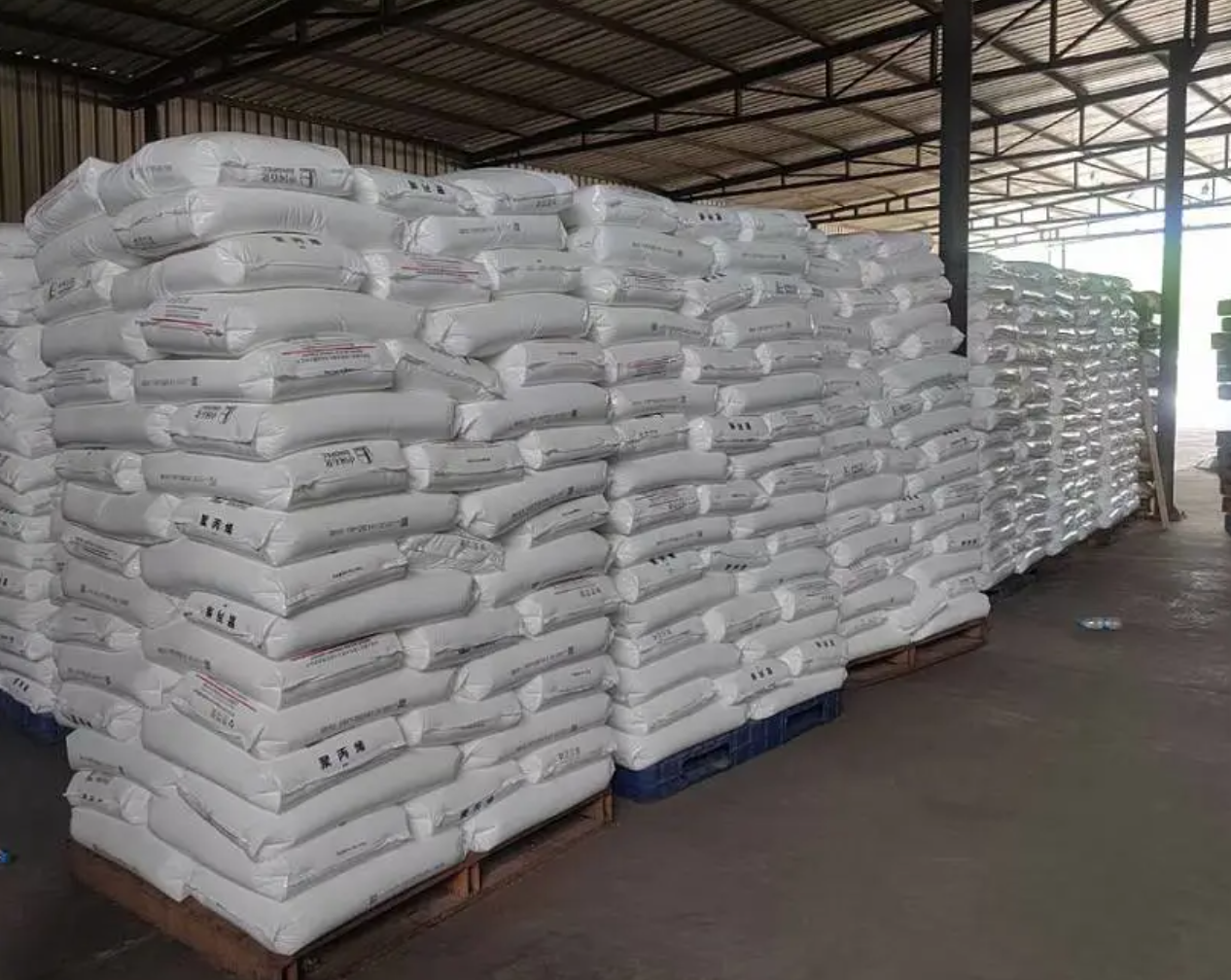
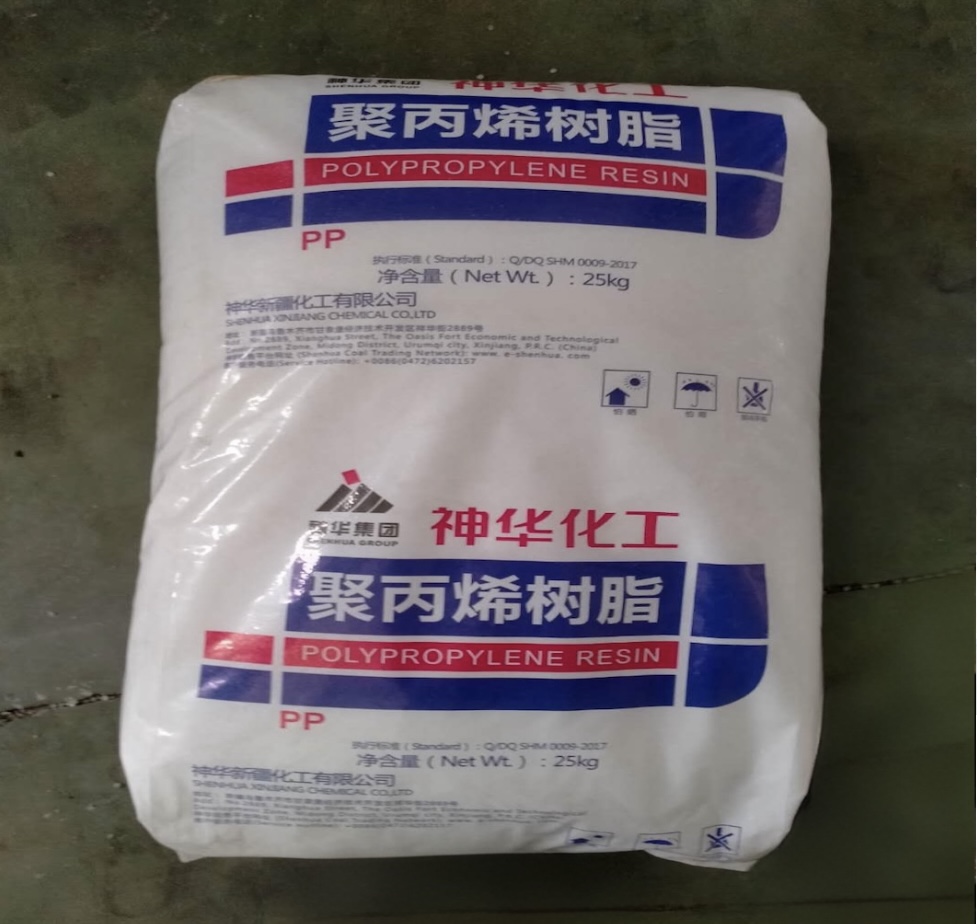
Shenhua Xinjiang is part of China Shenhua Group and runs a 450 KTA Innovene polypropylene unit in Urumqi, downstream of methanol-to-olefins. S1003 is a grade code several producers use, so only the Shenhua Xinjiang data sheet defines this material.
Coal-to-olefins origin
The plant was licensed to use INEOS Innovene PP technology, a process able to produce homopolymers, random copolymers, and impact copolymers. The process capability tells you what the plant can make, not what a specific grade is. The announcement also dates from 2012, so check the current grade list with the supplier instead of relying on older listings.
Same code, different datasheets
The IRPC POLIMAXX S1003 datasheet shows a homopolymer aimed at monofilament and flat-yarn extrusion, not molding. Publicly available Shenhua-labelled data is limited, so request the original document from the supplier. At Chengnuo, we always tie a grade code to its source TDS before discussing applications.
Which S1003 Specifications Matter Most for Injection Molding?
One reassuring MFR figure can hide a poor match with your part. A spec only means something alongside its test conditions.
Prioritize MFR with its test method and load, flexural modulus, notched Izod impact, heat deflection temperature, and density. For S1003-class homopolymers, an MFR near 3 g/10 min signals slower flow, which suits thicker parts better than thin-wall molding.
Reference values, not Shenhua values
The table shows typical figures from the IRPC S1003 sheet. They illustrate what to look for; they are not Shenhua Xinjiang data. Also confirm the MFR method, since results measured under ASTM D1238 conditions (230°C, 2.16 kg) should not be compared with other conditions.
| Parameter | Reference value (IRPC S1003) | Why it matters in molding |
|---|---|---|
| Melt flow rate | 3.5 g/10 min | Predicts fill, pressure, and thin-wall limits |
| Flexural modulus | 1550 MPa | Indicates part stiffness |
| Notched Izod (23°C) | 45 J/m | Signals impact margin |
| Heat distortion (4.6 kg) | 100°C | Sets service and demolding limits |
| Tensile strength at yield | 36 MPa | Shows load capacity |
Read the table as a profile: moderate MFR with high flexural modulus describes a stiff, slower-flowing homopolymer. If your part needs snap-fit toughness at low temperature, a modest Izod value is a warning sign, and an impact copolymer may be the better candidate to test.
How Can You Determine Whether S1003 Fits Your Production Requirements?
Datasheets describe lab specimens, not your tool. The gap between the two is where most material mismatches hide.
Compare the grade's data with your part's wall thickness, flow length, stiffness and impact targets, and shrinkage tolerance. Then confirm with a short mold trial. If no evidence supports the application, do not specify the grade for it.
Screen on paper first
Thin walls and long flow paths point away from a low-MFR grade, while thick, rigid parts may suit it. A grade whose published use is fiber extrusion needs extra caution before it enters a mold. Ask the supplier whether any customer already molds this grade in a similar part, and request that feedback in writing.
Run a structured trial
- Dry pellets and log moisture before molding.
- Mold at low and high ends of the melt range, because low-MFR grades can be temperature-sensitive.
- Record fill pressure, cycle time, shot weight, and warpage after 24 hours.
- Compare every result against your current grade.
Only after the trial parts pass dimensional, stiffness, and impact checks should the grade move toward approval.
What Should You Confirm before Purchasing Shenhua Xinjiang S1003?
A good trial means little if the next lot arrives with different data. Purchasing risk lives in the paperwork as much as in the pellets.
Confirm the TDS, SDS, lot-specific certificate of analysis, packaging, minimum order, lead time, sample availability, and acceptance criteria such as MFR tolerance. Agree on all of these in writing before the first order.
Documents and traceability
Ask for the TDS and SDS first, then a certificate of analysis for each lot. Make sure the batch MFR on the certificate uses the same test method as the TDS, so incoming checks compare like with like. A lot that drifts outside its stated range can change cycle time without any visible defect, which is why certificates matter even after approval.
Acceptance and supply terms
Set MFR tolerance and moisture limits before the order, and confirm packaging, quantity, and lead time. Chengnuo can help turn grade data into a concise checklist that your quality team can use on the first delivery. Keep one retained sample from each approved lot, so any later complaint can be traced back to the original material.
Conclusion
Select PP pellets using verified data, part requirements, and trial results. Treat S1003 as a candidate to confirm against Shenhua Xinjiang's own data sheet, not a grade to assume.
References
LyondellBasell – Tech Topic: Material Selection, Polypropylene
Plastics Engineering – Choosing the Right Polypropylene Grade
Europlas – Polypropylene Pellets for Injection Molding: Everything You Should Know
INEOS – China Shenhua Coal to Chemical Xinjiang Coal Chemical Company Selects INEOS Technologies
IRPC POLIMAXX – S1003 Homo-Polypropylene Datasheet
ASTM D1238 – Melt Flow Rates of Thermoplastics by Extrusion Plastometer