HDPE Film Selection Guide: Why High-Speed Blown Film Plants Prefer Daqing 6097 | Industry Pain Points & Key Parameters
Many film manufacturers only chase low unit prices while ignoring how material properties affect film blowing stability, yield and long-term costs. Recycled HDPE, standard HDPE and LLDPE all trigger frequent high-speed film breakage, film adhesion, low-temperature embrittlement and surface impurities.
Few processors realize film-specific HDPE differs from ordinary plastics in molecular structure, melt fluidity, inherent easy-opening property and batch consistency, not just hardness. Customized exclusively for blown film by Daqing Petrochemical, Daqing DGDB 6097 resolves common processing flaws of general resins. This guide covers typical production issues, physical specs, application scenarios and procurement advice to cut trial-and-error losses.
Common Production Defects of Three General Film-Grade Raw Materials
Most film defects stem from mismatched materials rather than equipment or processes:
Recycled HDPE:
Repeated thermal degradation widens molecular weight distribution and destabilizes melt flow. Unstable bubbles cause constant film breakage; heavy impurities and fish eyes disqualify goods for food and export packaging. Poor low-temperature and chemical resistance leads to cracking in cold environments.
General HDPE:
Films stick severely after winding without extra opening masterbatch, raising formulation costs. Unbalanced rigidity and toughness cause extreme brittleness or load-induced deformation, resulting in inconsistent thickness and unstable yield.
Ordinary LLDPE:
Insufficient rigidity makes films stretch and sag under heavy loads, failing standards for fertilizer liners and industrial sacks, only fit for lightweight packaging.
Daqing 6097 adopts gas-phase fluidized bed polymerization for uniform molecular chains and high-speed extrusion adaptability. Its built-in easy-opening property, balanced rigidity-toughness and consistent batches eliminate all above drawbacks.
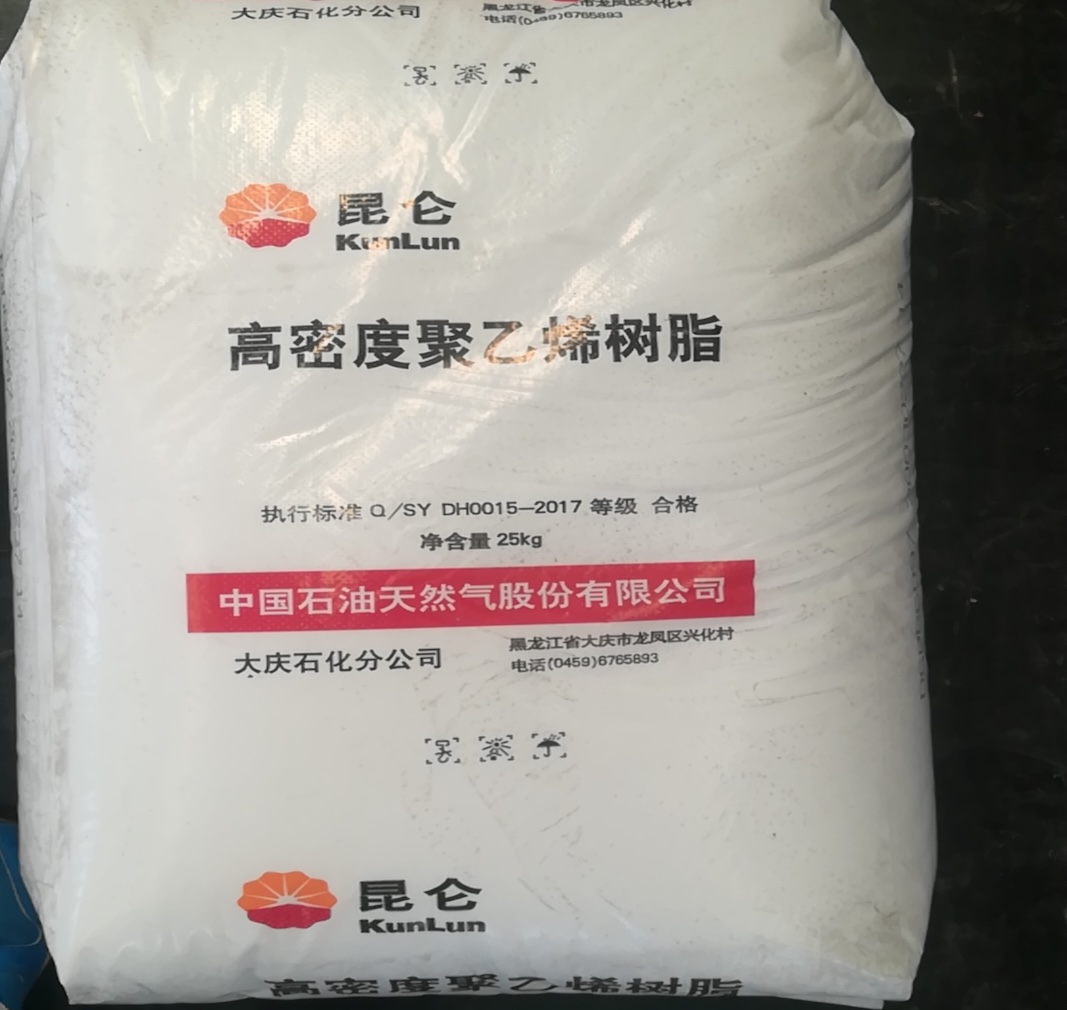
Standard Physical Parameters of Daqing DGDB 6097 HDPE (Typical Official Values)
| Property | Value | Test Standard |
|---|---|---|
| Melt Flow Rate | 9.0 g/10min (190℃/21.6kg) | GB/T 3682 |
| Density | 0.948 g/cm³ | GB/T 1033.2 |
| Recommended Processing Temperature | 180–230℃, suitable for blown film | — |
| Vicat Softening Point | 125℃ | GB/T 1633 |
| Tensile Strength | Typical 14.4 MPa, min ≥23 MPa* | GB/T 1040 |
| Elongation at Break | ≥652% | GB/T 1040 |
| Charpy Notched Impact Strength (23℃) | 12 kJ/m² | GB/T 1043 |
| Opening Property | Easy-opening, no extra opening masterbatch | — |
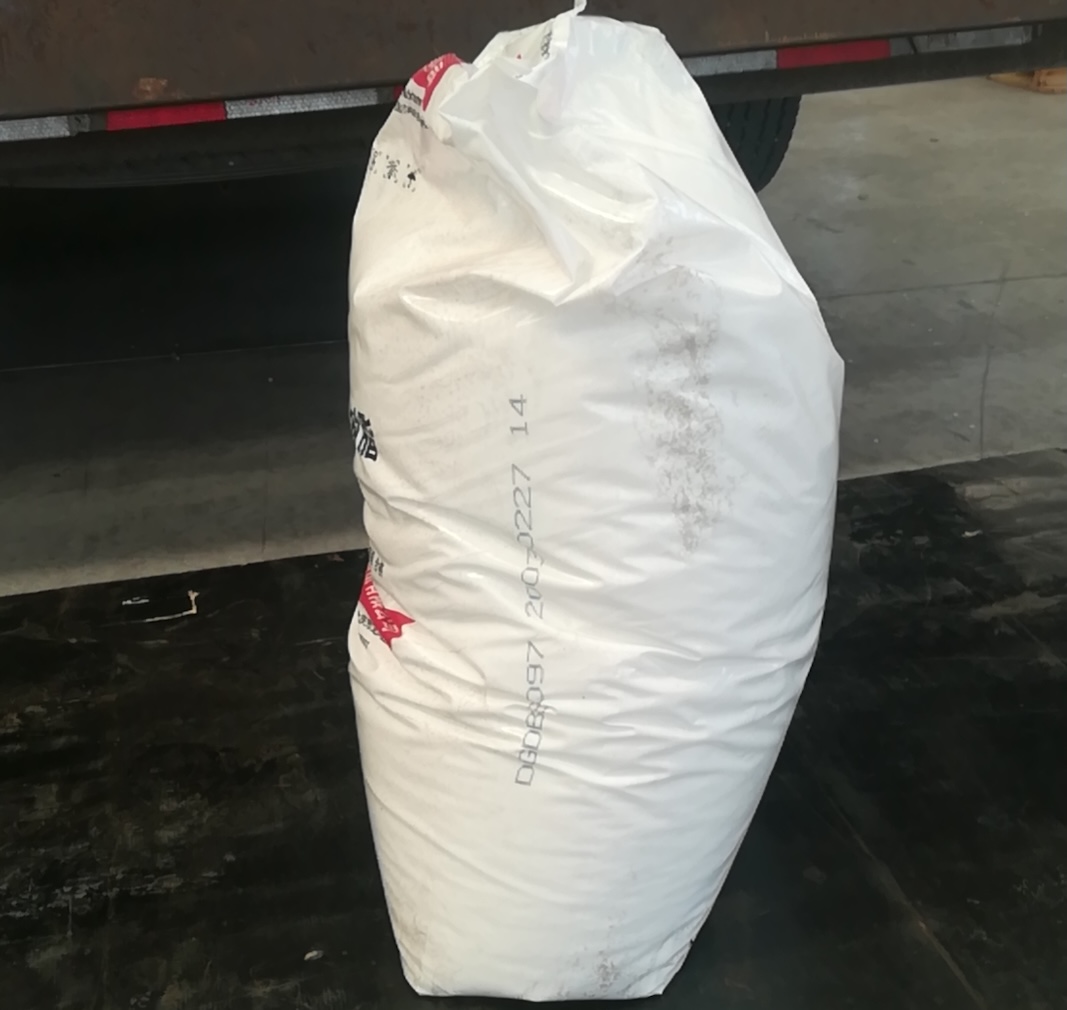
| Packaging | 25kg/bag; TDS, SDS, COA available | — |
Note: All data above are typical laboratory test results, cross-checked against independently compiled plastics property databases. Actual product indicators are subject to the official factory COA of each batch.
Product Positioning & Applicable Scenarios
Daily Packaging Films (Core Application):
It works well for thick shopping bags, food packaging films, industrial garbage bags and lightweight inner liner films. Its inherent easy-opening feature saves the cost of purchasing opening masterbatch. The finished film has a uniform texture and fewer fish eyes. It supports stable mass production and greatly improves the appearance qualification rate of finished products.
Industrial & Agricultural Films (Advantage Application):
It is suitable for fertiliser inner liner films, chemical protective films, aquaculture anti-seepage films and agricultural protective films. The material has high rigidity to resist tensile deformation. It also has good resistance to salt corrosion, oil contamination and aging, so it can adapt to long-term storage and outdoor use environments.
Blending & Modification:
Manufacturers can blend this resin with LLDPE to adjust film softness. It is suitable for ultra-thin lightweight film production. The blended formula cuts overall raw material costs while ensuring basic film structural strength.
Additional Injection Molding Applications:
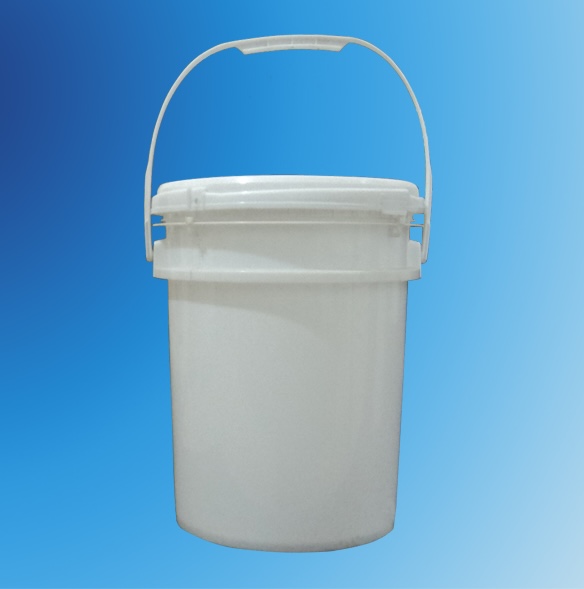
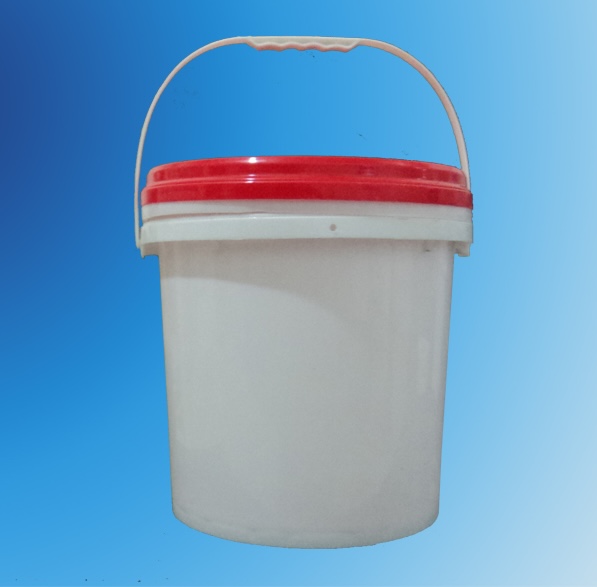
Besides blown film production, this resin can be used for conventional injection molding products, such as bottle caps, electrical cable insulation, mud flaps, tank liners and shipping containers. It helps factories realise flexible production with multiple processes.
Purchasing Tips
Avoid pure price-oriented procurement:
Low-cost recycled and generic materials look cost-effective on the surface. But unplanned equipment shutdown, defective products, export order returns and after-sales losses will far exceed the price gap of qualified virgin film-grade resins.
Do not evaluate materials solely by tensile strength:
Tensile strength is only a basic physical index. Film opening effect, low-temperature toughness, batch melt flow stability and impurity control are more important. These factors directly decide production efficiency and long-term finished product yield.
Avoid blind reliance on imported HDPE:
Imported HDPE is not necessary for ordinary packaging film production. Daqing 6097 matches most domestic high-speed and low-speed film blowing equipment. It has a stable supply and a lower comprehensive use cost.
Avoid ignoring hidden formulation costs:
Most ordinary HDPE needs extra opening masterbatch to solve film adhesion problems. Long-term purchase of auxiliary additives will bring extra cost pressure. Daqing 6097 has inherent easy-opening performance. It simplifies production formulas and reduces additive consumption.
Core Material Selection Logic
The core principle of HDPE film material selection is not choosing the lowest price, but finding materials that match equipment performance, ensure stable processing, produce qualified products and reduce overall costs. Daqing DGDB 6097 is customized for high-speed and high-yield film production. It solves the common defects of general plastics, including film adhesion, film breakage, low-temperature embrittlement and excessive impurities from the molecular level. It is a cost-effective domestic dedicated HDPE material for blown film manufacturers.
If you need sample testing, bulk purchasing or customized blown film process solutions (extrusion temperature, traction speed, cooling parameters and more), feel free to contact our team. Our technical team will provide complete customised production plans and exclusive quotations within one working day.
References
1. HDPE | DGDB-6097 | Daqing Petrochemical Physical Property Datasheet. Zhaosuliao.com (Plastics Materials Database).
2. HDPE (High-Density Polyethylene, Low-Pressure Process) DGDB-6097 Daqing Petrochemical — Physical Property Datasheet. Ibuychem (Plastics Materials Database).
3. PetroChina Daqing Petrochemical DGDB-6097 Property Datasheet and Processing Parameters. Plasdata (Plastics Materials Database).
4. Daqing Petrochemical HDPE | DGDB-6097 Grade Specifications, Applications and Technical Parameters. Jinsubao (Raw Materials Database).
5. Daqing Petrochemical Successfully Produces New Terpolymer Polyethylene (Gas-Phase Fluidized Bed Process). Heilongjiang Daily, via Heilongjiang Provincial People's Government.