Hengli GC7260 HDPE Injection Molding Grade Selection Guide | Differences vs 7042 Blown Film LLDPE
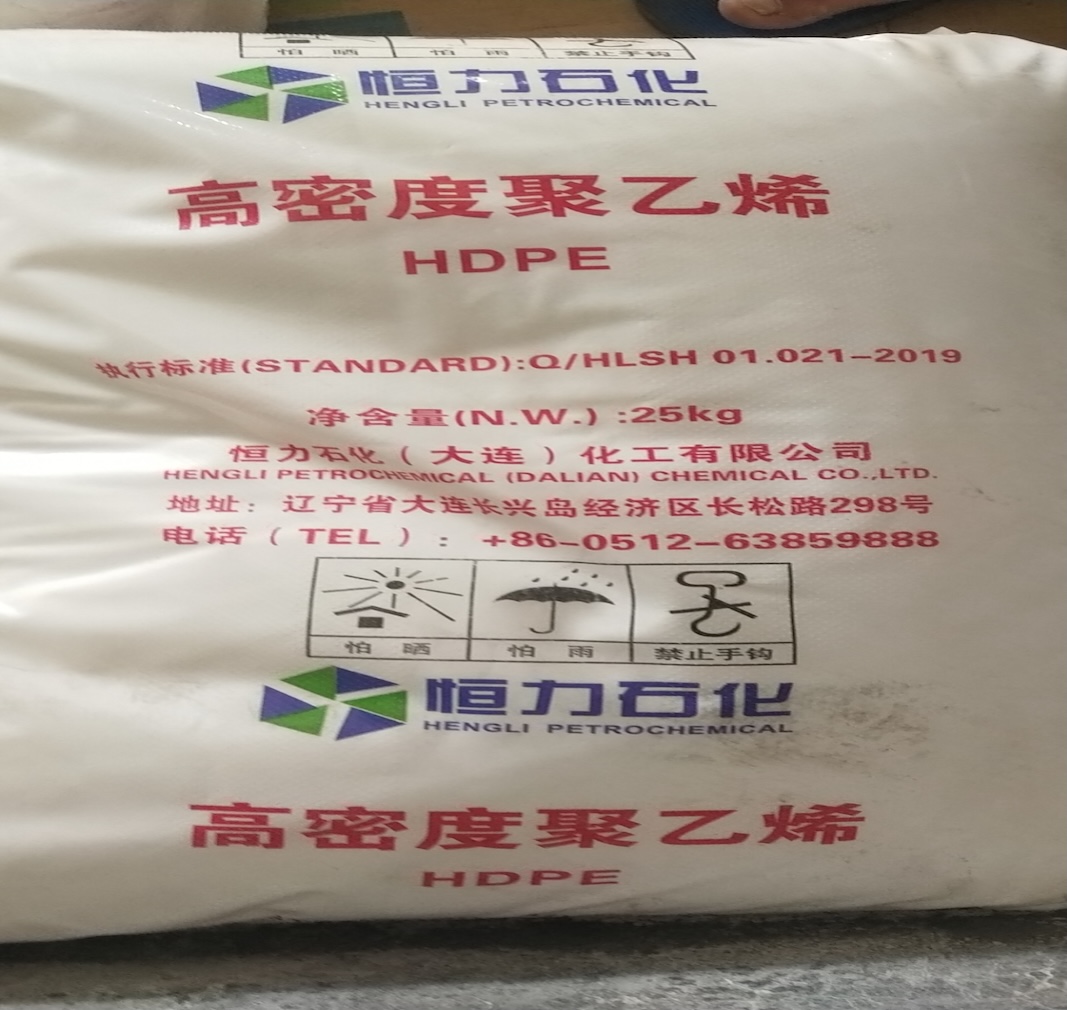
DFDA-7042 is a common LLDPE grade widely used for blown film production. Many buyers confuse Hengli GC7260 with DFDA-7042. They think the two grades are interchangeable just because their model numbers look similar. This article clearly explains the core differences in material type, physical performance and applicable scenarios. You can check full official test data on the Hengli GC7260 product details page.
Common Confusion: Mistaking GC7260 for Blown Film LLDPE
These two materials belong to completely different plastic categories. DFDA-7042 is standard blown film LLDPE. Its MFR ranges from 1.5–2.5 g/10min, and density is 0.917–0.923 g/cm³. It features stable low-temperature toughness and is designed specifically for film blowing. Hengli GC7260 is a high-rigidity HDPE injection grade. Its typical MFR is 8.0 g/10min (range 6.0–9.0 g/10min), and typical density is 0.957 g/cm³ (range 0.955–0.959 g/cm³). It delivers high hardness but low stretchability.
Pure GC7260 cannot make stable blown film products. If users run it on blown film machines, film bubbles break easily and film thickness varies greatly. Factories will face serious defective rates. If GC7260 is used to produce courier bags or agricultural films, the finished film lacks flexibility. It cracks easily under drop impact, especially in cold weather.
In contrast, if workers use DFDA-7042 for thin-wall injection molding, its low fluidity causes incomplete mold filling and obvious weld lines. Each molding cycle becomes longer, which reduces production efficiency.
Many buyers also misunderstand supply stability. Traditional DFDA-7042 often faces tight stock during peak seasons due to factory maintenance and quota allocation. Hengli GC7260 is supported by Hengli’s 400,000-ton HDPE production line. It keeps sufficient spot goods all year round to support stable long-term bulk procurement.
Core Advantages of Hengli GC7260 for Injection Molding
GC7260 adopts low-pressure slurry polymerization process with narrow molecular weight distribution. It balances melt fluidity and structural rigidity very well. The recommended processing temperature is 170–205℃. For food-grade products, keep die head temperature below 200℃. It has a wide processing window. Even workers with less operating experience can avoid common defects such as short shots and sink marks.
High flow and low energy consumption: With MFR of 6.0–9.0 g/10min, the resin fills 0.3–1.5 mm thin-wall molds smoothly without high temperature or high pressure. It shortens cooling time, improves daily output and cuts power consumption. The original virgin pellets contain almost no impurities. The material is non-toxic and odorless, and fully meets food contact requirements.
Excellent rigidity performance: Its tensile modulus reaches about 1350 MPa, and yield strength is above 26 MPa. Injection parts resist deformation well, so manufacturers can realize lightweight thinning design for finished products.
Good blending compatibility: Users can mix 10–30% DFDA-7042 into GC7260 formula. This method effectively improves low-temperature drop resistance and makes up for HDPE’s poor cold toughness. The two resins disperse evenly without delamination. Factories do not need to add large amounts of toughening agents, which lowers overall formula cost.
Typical Applications & Usage Restrictions
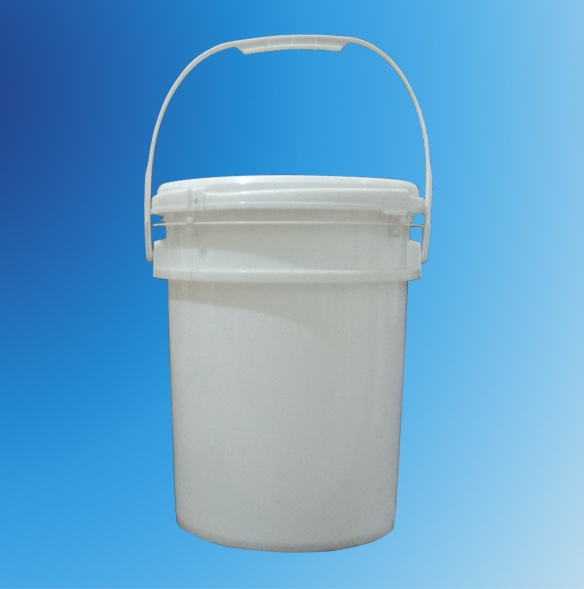
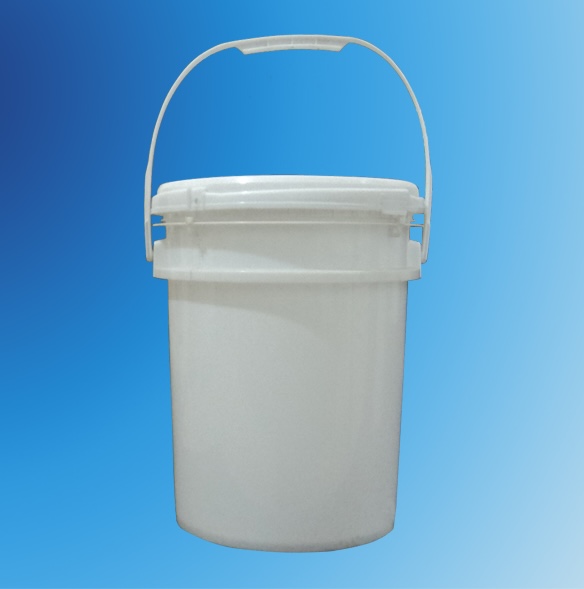
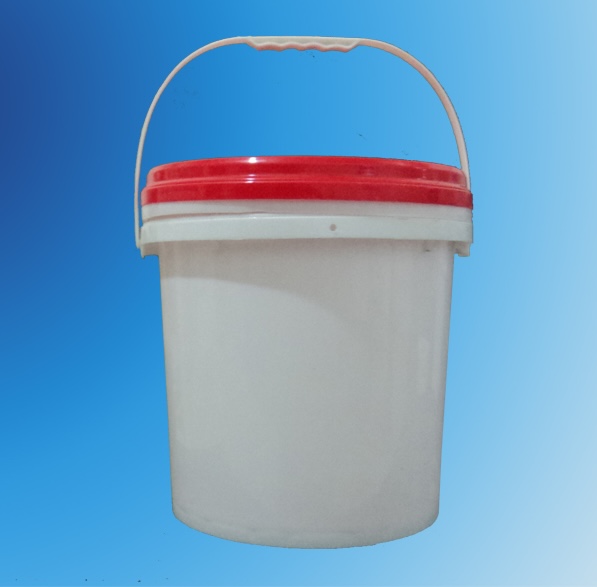
Core injection molding applications: Thin-wall storage buckets, plastic basins, tool boxes, disposable food containers, small household appliance shells and bottle caps.
Blending and modification: Mix with DFDA-7042 to balance rigidity and low-temperature impact performance. Mix with filler masterbatch to reduce raw material cost.
Clear usage restrictions: GC7260 cannot replace DFDA-7042 for blown film products such as courier bags and agricultural films. For FFS heavy-duty packaging and high-transparency food film, choose metallocene or C6 copolymer LLDPE. Daqing 8320 is for thin-wall injection and masterbatch carrier. Daqing 18D0 is dedicated to extrusion coating and foaming. Process-specific resins cannot be replaced mutually.
Injection Molding Operation Guidelines
Grade switching: Replace materials gradually. If blending with DFDA-7042, start with 3:7 or 5:5 ratio, then adjust screw parameters step by step.
Temperature control: Keep processing temperature stable at 170–205℃. Control die head temperature below 200℃ to prevent low-molecular precipitation, which affects food-grade safety and surface appearance.
Cost evaluation: Do not judge cost only by unit price. GC7260 supports fast molding cycles and high finished product yield, which reduces comprehensive production loss. Cheap off-grade HDPE has unstable molecular distribution and easily causes large-area defects with hidden losses.
Long-term procurement: Sign long-term supply agreements to lock stable inventory and reasonable price, avoiding stock shortage and price fluctuation in peak seasons.
Summary
DFDA-7042 is designed for large-scale blown film production. Hengli GC7260 is a high-rigidity HDPE for daily injection molding. The two grades only have similar model numbers. They are totally different in material category, performance and processing method, and cannot replace each other. For thin-wall containers and daily plastic products, GC7260 offers stable supply, smooth high-flow molding and reliable rigidity with better cost performance. In film production, it can only be mixed in small proportion (10–20%) to adjust melt fluidity, and cannot be used as the main film material.
You can contact our technical team for accurate injection temperature parameters, DFDA-7042 blending formulas, free sample testing and bulk order quotations.