What Makes Yanchang Petrochemical V30G a Polypropylene Homopolymer Worth Evaluating?
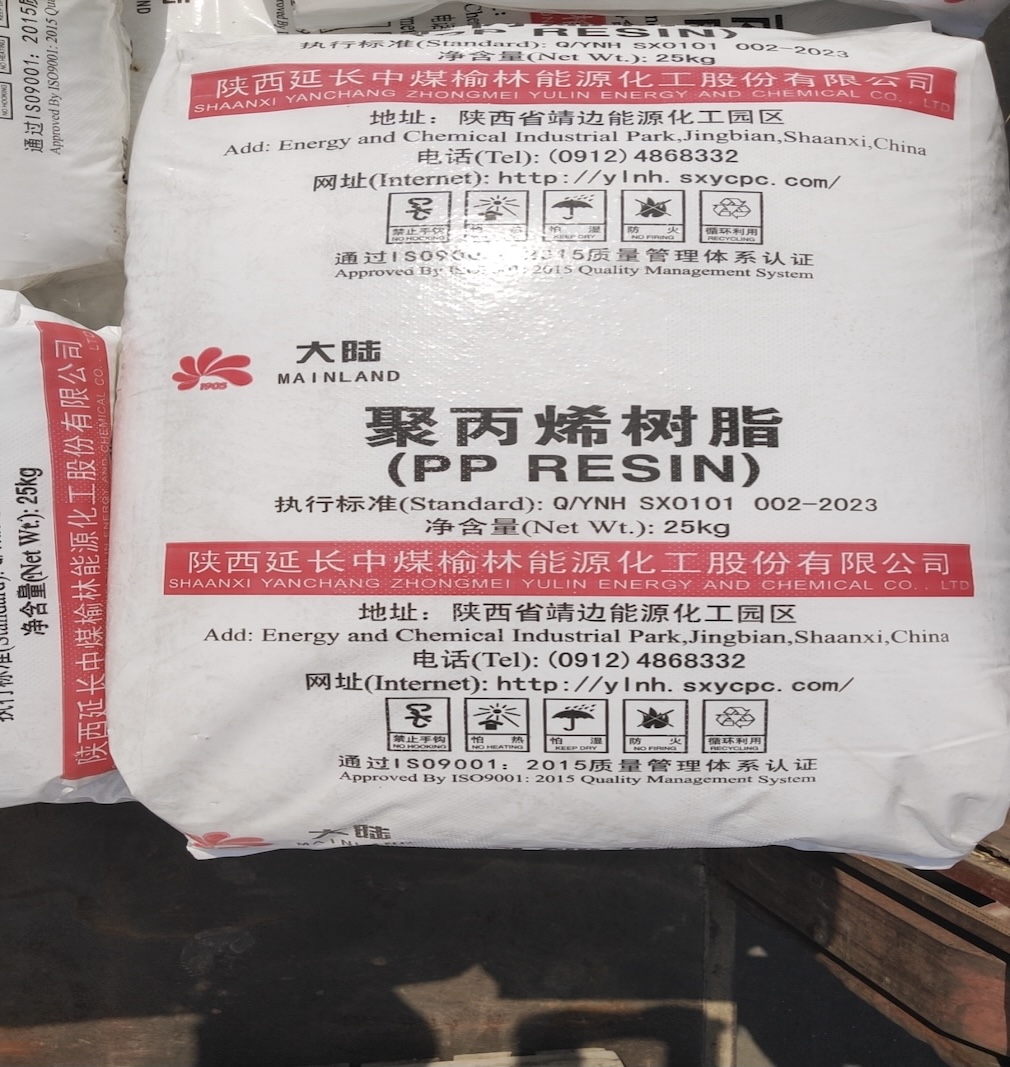
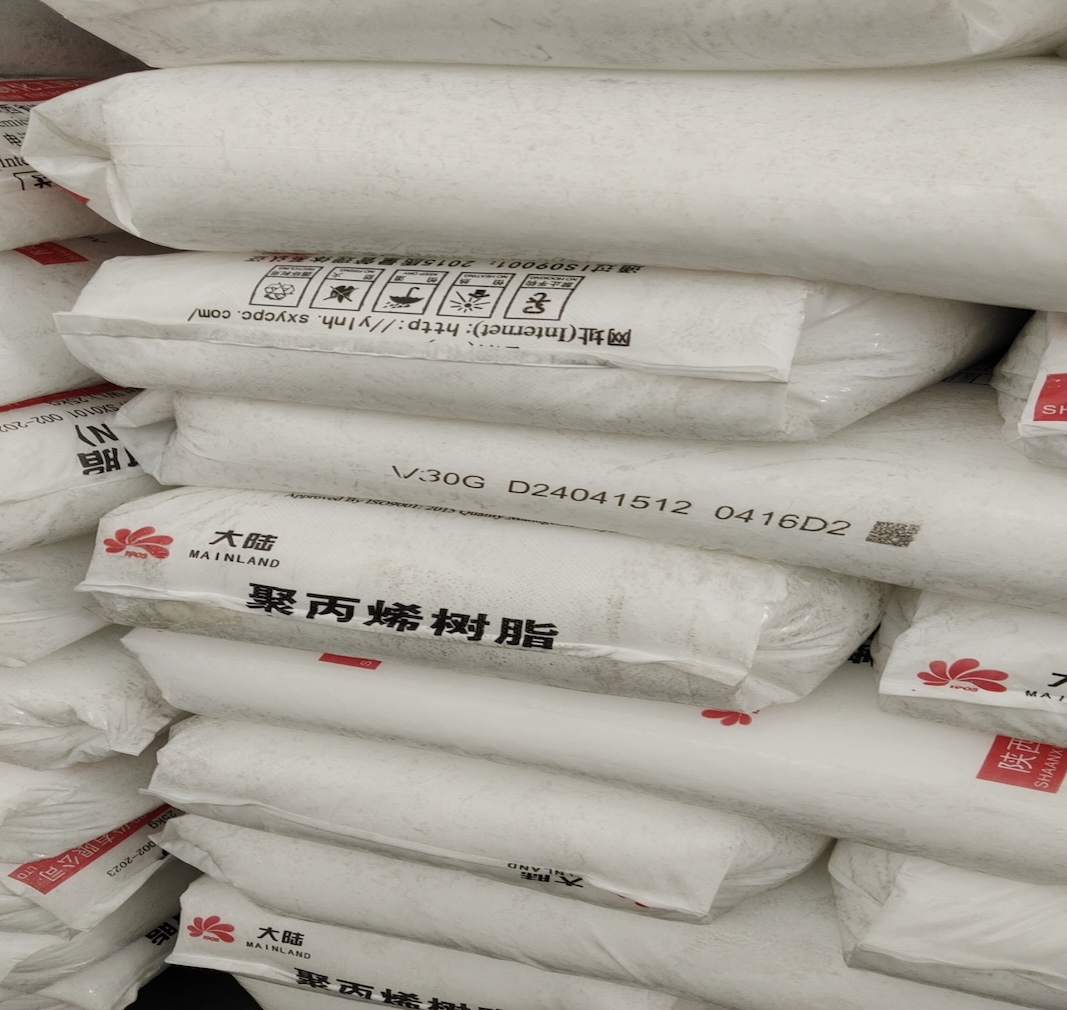
A V30G bag can look like any other PP bag. The grade code is short, and it hides many questions. I have learned to read past it.
Yanchang Petrochemical V30G is worth evaluating as a polypropylene homopolymer for general-purpose injection molding and compounding. Its value shows only after you check the data sheet, the processing needs, and a trial against your own part.
In my last article, I compared polypropylene copolymer with EPS30R-B. This time I stay with homopolymer. I follow four questions, from the basic definition to the checks I run before an order.
What Defines Polypropylene Homopolymer, and How does It Differ from Other PP Resins?
Buyers say "PP" and expect one material. Then the part warps, cracks, or sticks in the mold. The type matters first.
Polypropylene homopolymer is made from propylene alone. Its regular chains pack into crystals, so it is stiff and heat resistant. Copolymers add ethylene to gain toughness or clarity, and they give up some stiffness.
LyondellBasell describes homopolymer resins as versatile, with uses from packaging and household goods to automotive parts. Entec adds the key trade-off. Homopolymer has the highest stiffness, strength, and temperature resistance of the PP types. Its toughness is poor in the cold. Wikipedia explains the reason. Commercial PP is mostly isotactic, with crystallinity of 30 to 60 percent and a melting point of 160 to 166 °C.
Random copolymer sits between the two. It trades some stiffness for clarity. Impact copolymer adds a rubber phase for toughness. Homopolymer has neither change, so it keeps the most rigid chain structure. That is why a homopolymer box feels firm, and why a homopolymer part can crack in a cold truck.
I do not see homopolymer as a weaker cousin of copolymer. It is a different tool. I choose it when the part needs rigidity, gloss, and heat resistance more than cold impact. I also ask about the isotactic index. A higher value points to more regular chains. It does not replace testing, but it helps me spot a resin that is built for stiffness.
Which Technical Specifications Matter When Evaluating Polypropylene Homopolymer?
A data sheet lists ten numbers. Most buyers read two. The missed ones often cause the trouble.
Start with melt flow rate, flexural modulus, tensile yield stress, notched impact strength, and heat deflection temperature. Check the test method and condition beside each value. A number without a standard cannot be compared.
Why does melt flow rate come first?
Melt flow rate tells me how the resin fills a mold. ISO 1133-1 sets the standard method, and it is mainly a quality-control tool. For PP, the common condition is 230 °C with a 2.16 kg load. Entec notes that a higher value means lower molecular weight, and that it affects cycle time. I always read the condition first.
How do I read stiffness, impact, and heat values?
Flexural modulus shows stiffness. Notched impact shows how the part handles a hit. Homopolymer listings I found report only about 2 to 3 kJ/m² at 23 °C. That is normal for this type. Some sheets print a limit, such as a minimum. Others print a measured result. I mark which is which before I compare two grades.
What do I check besides the main numbers?
I look at the small items too. The Baofeng listing reports ash content, color and black-spot grains, and yellow index. These items show how clean the pellets are. Black spots can ruin a white or clear part. High ash can affect the final blend in compounding. I ask for these values, even when the part looks simple.
How does Yanchang Petrochemical V30G Fit into Polypropylene Homopolymer Grade Selection?
The code V30G does not belong to one maker. That surprised me when I first searched it.
V30G fits general-purpose injection molding and compounding, where a homopolymer's stiffness and flow help. Several sources use the V30G code, so I confirm that the sheet comes from Yanchang Petrochemical before I trust any number.
I found no public Yanchang V30G data sheet. I found trader listings, and they do not agree. This table shows two of them.
| Item | Shanghai Chemdo listing | Ningxia Baofeng listing |
|---|---|---|
| Melt flow rate | 12 g/10 min in the table, "Mi=15" in the title | 15.0 ± 2.0 limit, 14.5 result |
| Flexural modulus | 1475 MPa | ≥1300 limit, 1351 result |
| Notched impact, 23 °C | 3 kJ/m² | 1.9 kJ/m² |
| Producer | Brand and plant do not match | Ningxia Baofeng |
Neither listing names Yanchang. I do not treat them as Yanchang data. They show a pattern: one code, different numbers, different producers. Melt flow near 12 to 15 g/10 min suits fast-cycle boxes, trays, and toys, if the Yanchang sheet confirms it. For compounding, the base resin's flow and ash level shape the final blend.
Here is how I place V30G in a selection. I start with the part. If the part is a rigid box, tray, or household item, and it does not face hard cold impact, a homopolymer is a fair first candidate. If the part must survive drops in a cold room, I move to an impact grade. If the plan is to blend in fillers or masterbatch, I ask how the base resin's flow will change after compounding. Then I request the Yanchang data and compare it with these needs. The grade earns its place only after that comparison.
What Should Buyers Verify before Purchasing Yanchang Petrochemical V30G?
Most buyers verify price and delivery date. Few verify the resin. The gap shows up later, on the production line.
Verify the producer name, the full data sheet with test methods, whether values are limits or typical results, batch data, and a trial on your own machine. Then confirm packaging and delivery terms.
Producer and full grade code. Confirm that both match Yanchang Petrochemical V30G, and that the sheet names the same maker.
Data sheet with a standard beside every value. The Chemdo listing, for example, lists a Vicat method beside its impact value and shows no batch certificate.
Limit or typical result. Ask which one each number is, because a limit can sit far from a typical result.
Batch data for the lot you will receive, not only a sample sheet.
A trial. I run a small lot and watch filling, cycle time, warpage, and part stiffness. I compare these with the resin I use today.
At Chengnuo, we ask about the part and the process before we discuss a grade. The answer decides which numbers matter. If the part touches food, I also ask for compliance papers, because the listings I read did not include them.
Conclusion
V30G is worth evaluating when data, process, and part agree. Verify the producer, read every test condition, and run a trial.
References
LyondellBasell. Polypropylene, Homopolymer
Entec Polymers. Polypropylene 101
Wikipedia. Polypropylene
International Organization for Standardization. ISO 1133-1:2022, Determination of the melt mass-flow rate (MFR) and melt volume-flow rate (MVR) of thermoplastics
Shanghai Chemdo Trading Limited, Made-in-China. Homo PP Injection Grade V30G
Ningxia Baofeng Energy Group, Easy Foreign Trade. PP V30G Polypropylene Granule Homopolymer Injection Grade