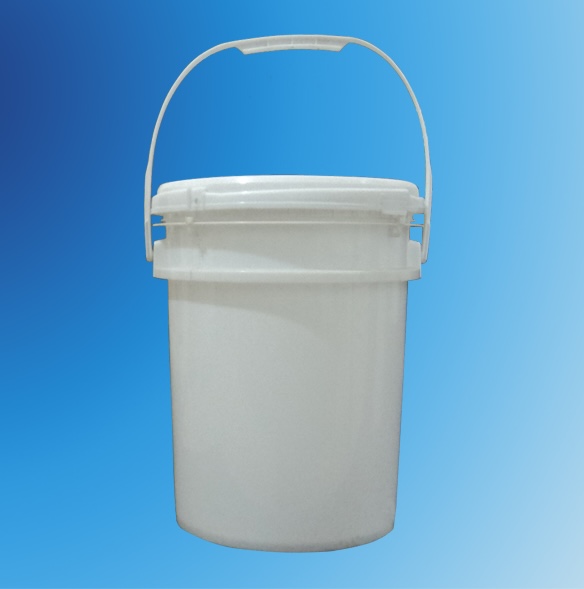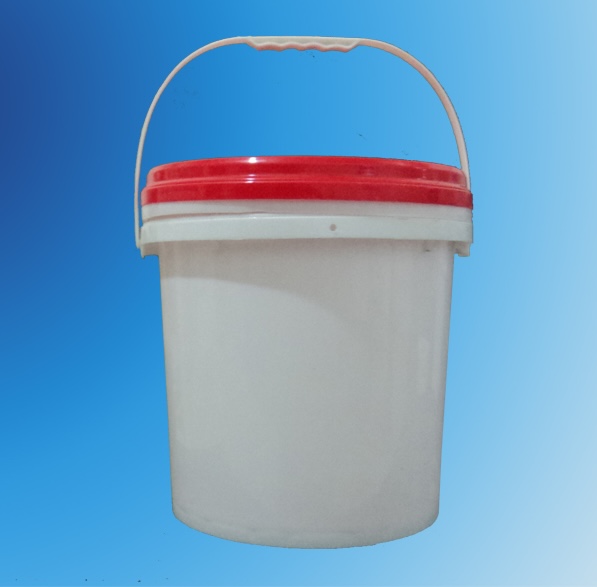
Low MFR Blow Molding HDPE Selection Guide: How to Choose Raw Materials for Small Hollow Containers
Do Not Only Compare Prices When Purchasing Blow Molding HDPE for 10–30L Chemical & Food Containers
Many overseas packaging manufacturers only compare quotations when sourcing raw materials for hollow containers, ignoring three core indicators: melt flow rate, environmental stress cracking resistance and low-temperature toughness. This leads to mass defective products including uneven wall thickness, long-term cracking after chemical storage, and brittle fracture during low-temperature transportation.
This guide sorts out the selection criteria for HDPE dedicated to small blow-molded containers, explains the practical production value of each parameter, and clarifies the parameter differences of 5502-series resins on the market to help processors avoid material selection mistakes.
Three Core Selection Standards for HDPE for Small Hollow Containers
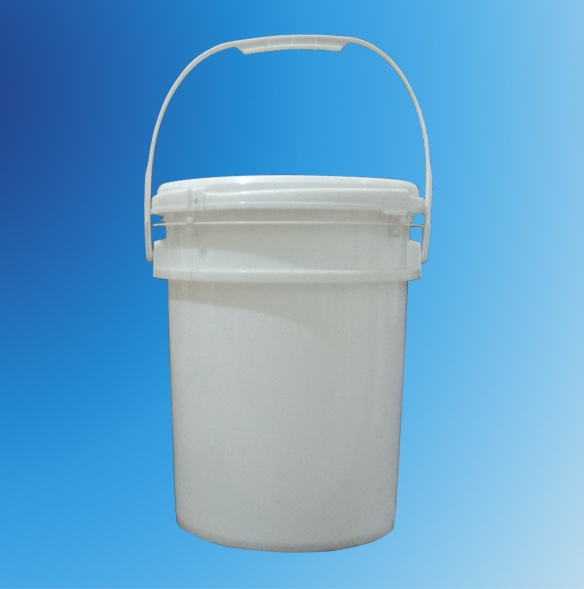
Raw materials for 10–30L containers holding chemical additives, edible oil and daily detergents must meet three mandatory performance requirements:
Low Melt Flow Rate (MFR) Standard
HDPE with MFR below 0.4g/10min delivers high melt strength, preventing parison sagging during extrusion and ensuring uniform wall thickness across finished barrels. High-MFR resin causes severe wall thickness deviation and a sharp rise in reject rates. The industry’s preferred MFR range is 0.16~0.35g/10min.
There are obvious MFR gaps among HD5502 grades with identical names: some overseas HD5502S grades feature an MFR of 0.20±0.04g/10min, while North Huajin HD5502S maintains a stable MFR of 0.35g/10min. Buyers must distinguish parameters of grades from different manufacturers to avoid confusion.
Baseline Requirement for Environmental Stress Cracking Resistance (ESCR)
Containers storing acid, alkali and oily liquids sustain constant internal stress. Per GB/T 1842 testing standards, qualified blow molding HDPE generally achieves an ESCR result of over 30 hours, effectively reducing risks of barrel cracking and liquid leakage during storage and cross-border shipping.
Balanced Rigidity & Low-Temperature Toughness
This type of blow molding resin has a typical density of 0.954g/cm³ with excellent rigidity. Tensile yield strength falls into two tiers: premium grade ≥27MPa, standard grade ≥24MPa, preventing deformation under stacking pressure. The material also boasts outstanding low-temperature toughness, so finished containers shipped to cold high-latitude regions will not crack under sub-zero conditions.
Full food contact compliance certificates are required if the resin is used to produce edible oil drums and drinking water storage pails.
Performance Breakdown of HD5502S Grade
Low-MFR 5502-series resins are the most widely used raw materials for small hollow containers. Multiple petrochemical manufacturers offer matching blow molding grades with varying performance and supply stability.Panjin HD5502S is referenced as a typical case:It has a typical density of 0.954g/cm³, tensile yield strength of ≥27MPa for premium batches and ≥24MPa for standard batches, and a stable MFR of 0.35g/10min. It is ideal for mass production of thin-walled small containers under 30L, with ESCR performance exceeding 30 hours to support long-term chemical liquid storage. It also holds complete food contact certifications for food packaging export orders.
Other 5502 grades from different petrochemical plants have slightly different MFR ranges, melt strength and batch consistency. For long-term bulk orders, prioritize grades with mature supporting systems and stable spot supply to prevent supply disruptions.
Practical Processing Tips for Blow Molding with 5502-Series HDPE
When processing this low-MFR HDPE, set the equipment heating temperature between 180–210℃ (for reference only; adjust according to your machine). Avoid excessively high blow air pressure to prevent overly thin barrel side walls.
Manufacturers can blend this resin with other blow molding HDPE grades at a reasonable ratio to cut production costs without compromising core mechanical and crack-resistant performance.
Summary
When sourcing blow molding HDPE for small hollow containers, focus on three core metrics: low MFR, ESCR above 30 hours, and balanced rigidity & low-temperature toughness. Always differentiate overseas HD5502 grades from Huajin HD5502S, as their MFR gaps mean processing parameters cannot be directly copied.
If you prioritize consistent spot supply and full food packaging compliance, 5502-series grades are a highly suitable option. Request full technical datasheets to verify all performance parameters before placing orders.